When Sex Hurts Her: What the Pain Is Actually Telling You
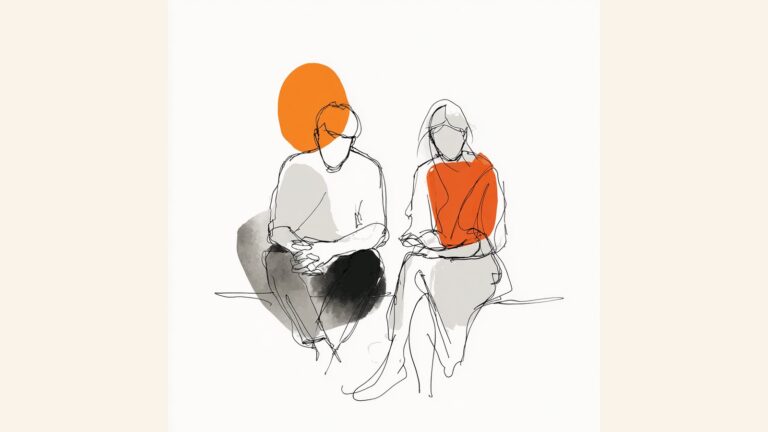
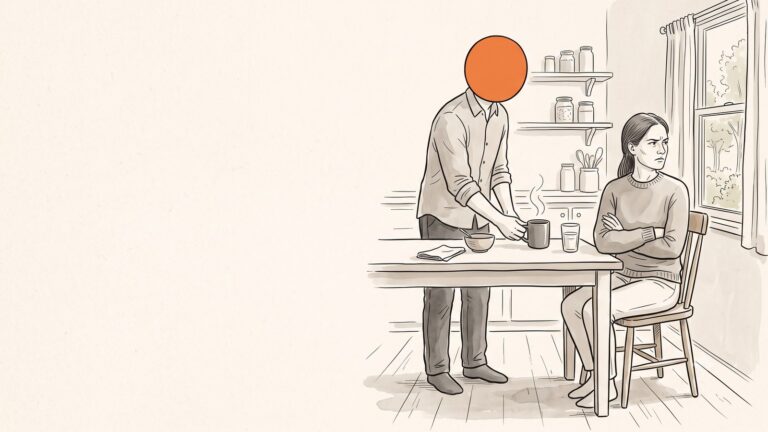
She flinched, you stopped, and she said it was fine. Now neither of you knows what to do with the next twenty minutes, or with the next three weeks. Pain during sex is common enough to have its own medical name, and the question of why sex hurts her usually goes unanswered because nobody in the room knows which question to ask first.
A friend of mine spent about a year quietly deciding he was the problem. His girlfriend had started tensing up, then started finding reasons to go to bed earlier, and he had built a whole theory about himself out of it. The cause was a pelvic floor that had never let go after a bad year, and it took one appointment and eight weeks of physiotherapy. A year of him reading it as rejection, and it was a muscle.
The first question is where, not how bad
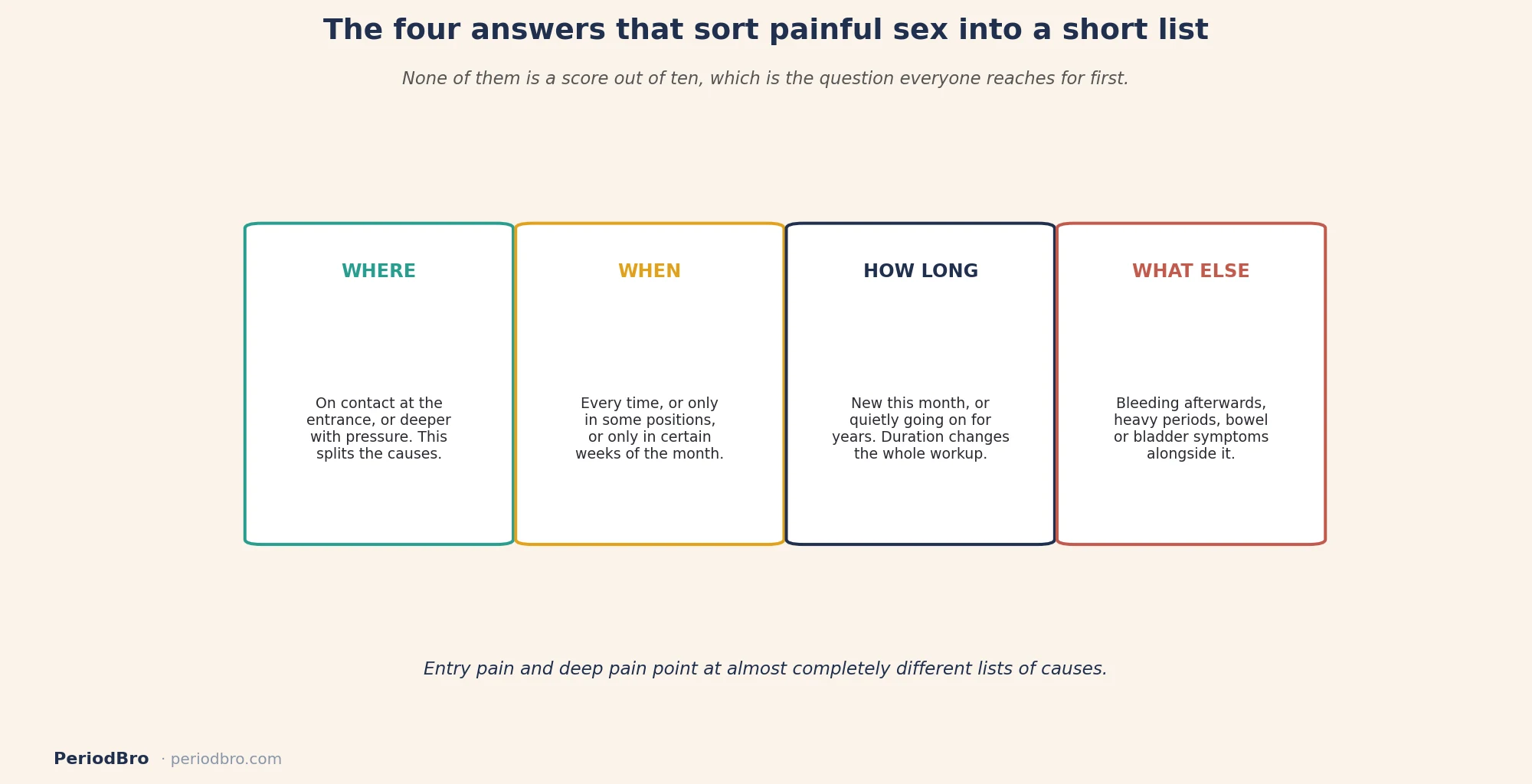
Pain gets talked about on a scale, which is close to useless here. The useful split is location, because it sorts the causes into two lists that barely overlap.
Pain at the entrance, on the way in, points at a fairly short set of things: not enough lubrication, vulvodynia, a pelvic floor that has learned to grip, vaginal atrophy, or an infection. Pain that arrives deeper, with pressure rather than contact, points somewhere else entirely: endometriosis, a retroverted uterus, pelvic adhesions, or something on an ovary. The American Family Physician review of dyspareunia organises it exactly this way, and puts the overall figure at roughly 10 to 20 percent of women in the US.
The thing worth knowing first is whether it happened on contact or on depth. That one answer cuts the list of possible explanations in half, and it is the answer a clinician will ask for in the first two minutes.
Why sex hurts her: the answers that come up most
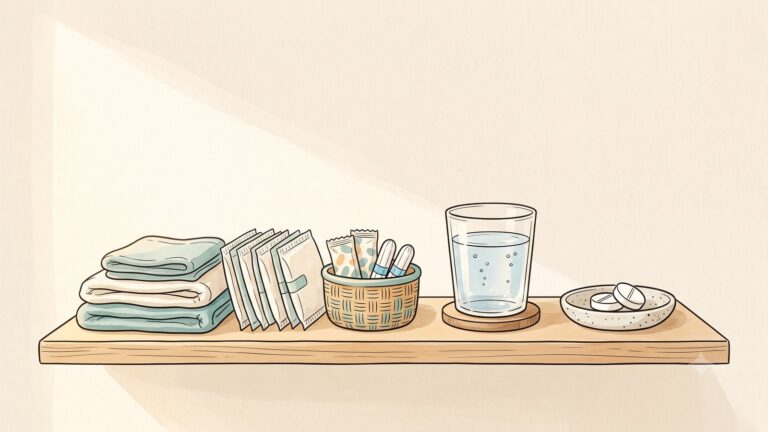
Dryness is the one everyone reaches for first, and it does account for a real share of entry pain. It is also the one most likely to be misread as a verdict on the relationship, which it usually is not. Hormonal contraception can lower lubrication for some people, breastfeeding does it, and so do several common medications. If she started a new method recently and this started with it, that timing is worth saying out loud. What changes on hormonal birth control covers the rest of that picture.
The pelvic floor is the one almost nobody thinks of. It is a sheet of muscle that can hold tension the same way a jaw or a shoulder does, and when it does, entry hurts and no amount of patience fixes it, because patience is not what a clenched muscle responds to. It is also treatable, which is the part worth holding on to.
Deep pain is the one that deserves the most attention, because it is the one most likely to be attached to something with a name. Among people with diagnosed endometriosis, deep pain during sex is close to standard rather than occasional: in one study of 334 patients with endometriosis, 75.7 percent reported painful sex of some kind, with 26 percent reporting deep pain alone and another 43.4 percent reporting both deep and entry pain. If her pain is deep, cyclical, and worse in the days before her period, endometriosis or adenomyosis belongs on the list of things to rule out.
And there is a timing clue that is easy to miss. Pain that tracks her cycle, worse in the luteal week, easier just after her period, is telling you something different from pain that is the same every day of the month. Worth logging before anyone tries to interpret it.
Why this goes unsaid for years
Painful sex is one of the few symptoms where both people have a reason not to raise it. She has been told, in a hundred small ways, that discomfort is part of the deal and that saying so will land as a complaint about you. You have a reason to not ask, which is that you are afraid of the answer.
Add the medical side and the arithmetic gets bleak. Endometriosis, the most common named cause of deep pain, still takes years to identify: a 2025 systematic review of time to diagnosis found diagnostic delays clustering in the range of several years across most countries studied. Some of that is genuinely hard diagnosis. A lot of it is people arriving late because nobody ever asked them a direct question.
Which is a strange kind of good news, because the thing standing between her and the start of that process is often a single sentence from the person she is sleeping with rather than anything a doctor does.
What to actually do in the moment
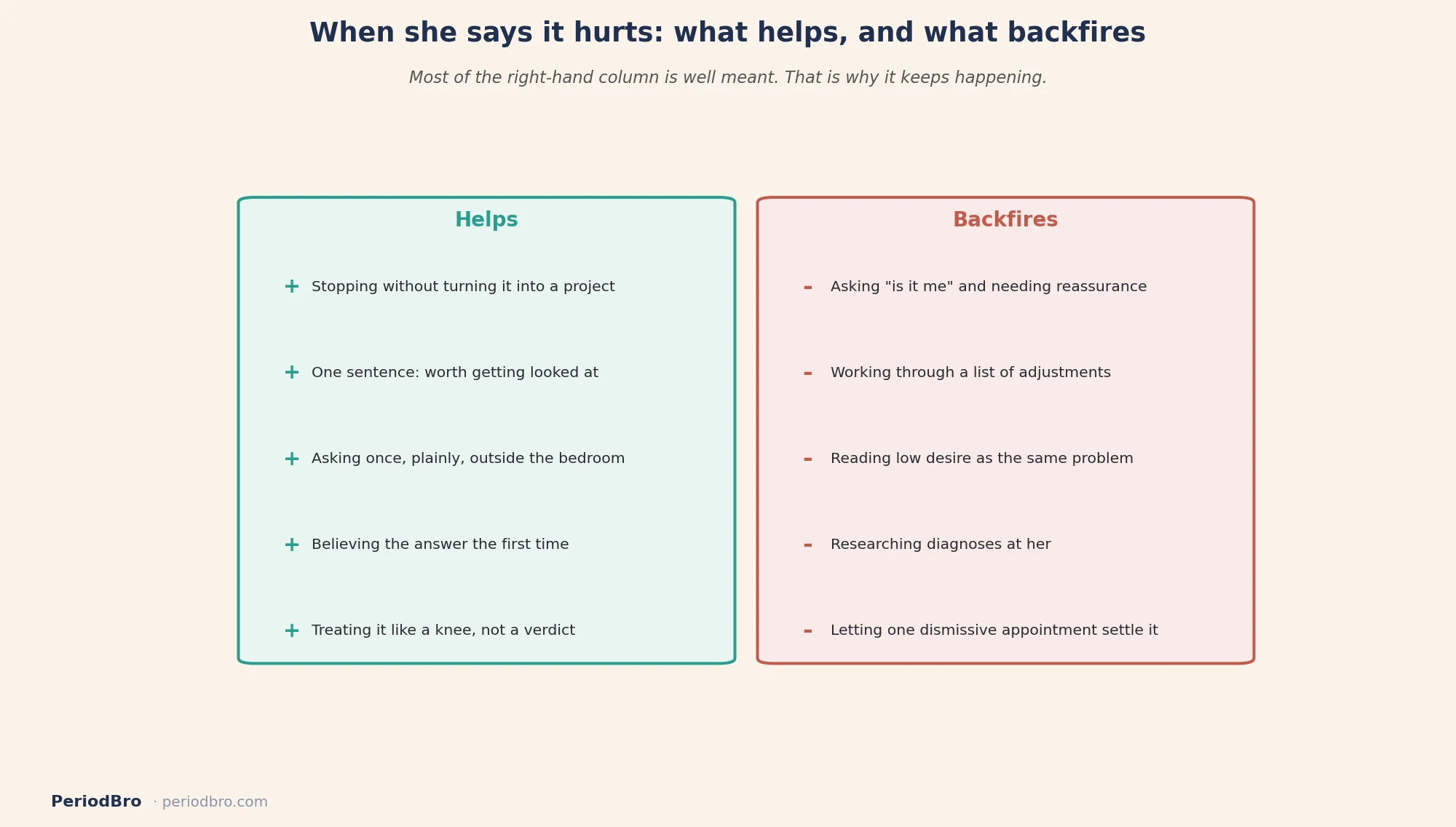
Stop, and stop without a project attached. The instinct is to immediately fix, adjust, try a different thing, ask a series of questions. All of that turns her pain into a task she now has to manage on your behalf.
Say one short thing and let it sit. Something like “that is worth getting looked at, not worth putting up with” does more work than twenty minutes of care, because it moves the pain out of the category of things she is supposed to tolerate.
Do not make it a referendum on you. The sentence “is it me” sounds like concern and functions as a request for reassurance, which means she now has to comfort you about her own pain. This is the single most common way a good instinct turns into a bad night, and it is the same pattern behind over-apologising when she goes quiet.
And separate pain from desire, because they get fused fast. If sex has hurt three times, her body will start bracing before anything happens, and that bracing looks exactly like disinterest from the outside. It is not the same thing as a dip in desire before her period, and treating it as one sends you both down the wrong road.

When it belongs in front of a clinician
Most of this list is not urgent, which is worth saying, because the urgency is not what makes it worth doing.
Anything that has happened more than a few times deserves an appointment. So does deep pain that shows up with heavy periods, pain that goes with bleeding after sex, pain that arrived alongside a new symptom somewhere else, and pain that started after childbirth and has not eased. That last one is more common than most people expect: the same clinical review notes about 40 percent of first-time vaginal delivery patients report painful sex at three months postpartum, dropping to around 20 percent at six months, which means it usually improves and also means a fair number of people are still dealing with it well after everyone stopped asking.
What she will be asked is the entry-versus-deep question, how long it has been going on, where in her cycle it lands, and whether anything else changed at the same time. Having those four answers ready is worth more than any amount of research beforehand.
One caution, learned the hard way by a lot of people. If she gets told it is normal and sent home without an examination, that is not the end of the process. A dismissed appointment is a common step on the way to a diagnosis, not a verdict, and the useful move is a second opinion rather than a decision that she imagined it.
The part that is actually yours
You cannot diagnose this, and you should not try. The work that belongs to you is smaller and duller than that, and it is the work that changes the outcome.
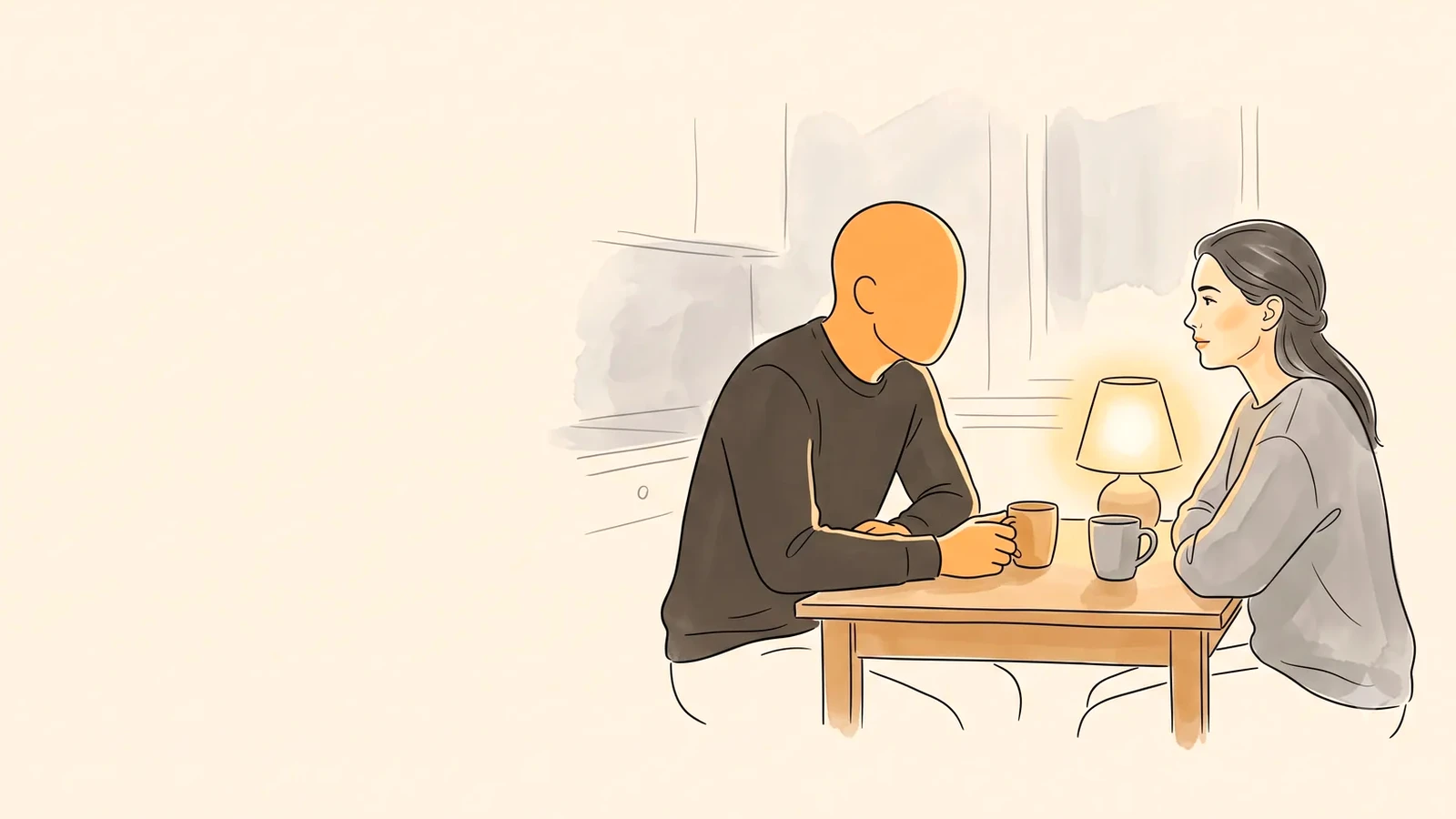
Ask once, plainly, outside the bedroom and outside the moment. Believe the answer the first time, so there is no cost to telling you. Keep the question about her body rather than about the relationship. And when she does raise it, respond as though she reported a problem with her knee, because that is roughly the correct emotional register, and it is the register almost nobody manages.
The reason why sex hurts her is almost never the reason either of you is quietly assuming. It is usually a muscle, a hormone level, or a condition with a name and a treatment. Each of those is something a clinician can work with, and none of them get worse because you asked.

PeriodBro gives you a plain daily read on where she is in her cycle, which makes a pattern like “worse every luteal week” visible instead of anecdotal. Try it free.
This article is general information, not medical advice. Persistent pain during sex has causes worth identifying, and that identification belongs with a clinician who can examine her.