
Period Stigma: Small Habits Partners Pass On, and How to Stop
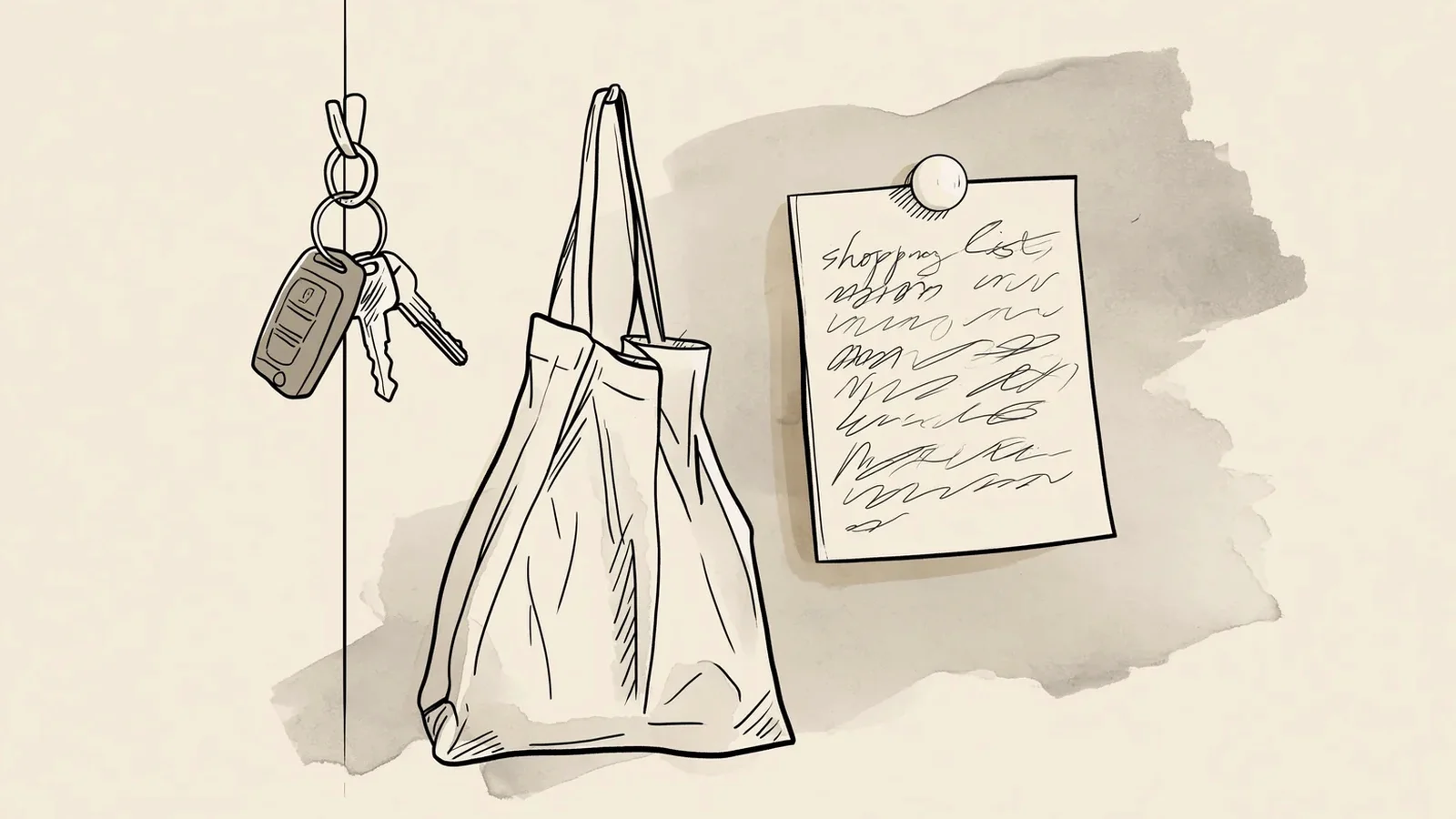
The first time I bought tampons for my then-wife, I put a bag of coffee, a loaf of bread and a magazine on the belt so they wouldn’t sit there alone. I was 31. Nobody in that line cared, and I knew it, and I still did it. For a lot of us, period stigma looks like that from the inside: a habit picked up somewhere along the way and rarely questioned.
Period stigma mostly shows up as jokes, hiding, code words and a quiet idea that this is her private problem. Partners pick it up without noticing and pass it on the same way. Below is where it shows up between two people, why it matters more than it seems, and some easy ways to stop feeding it at home.
What period stigma looks like in a relationship
Start with the words. In 2016, the period app Clue and the International Women’s Health Coalition surveyed about 90,000 people in 190 countries and collected more than 5,000 slang terms and euphemisms for periods (Clue). Aunt Flo, shark week, that time of the month. Some are funny, and plenty of couples use them affectionately. With that many workarounds, it’s clear how much effort goes into avoiding the plain word.
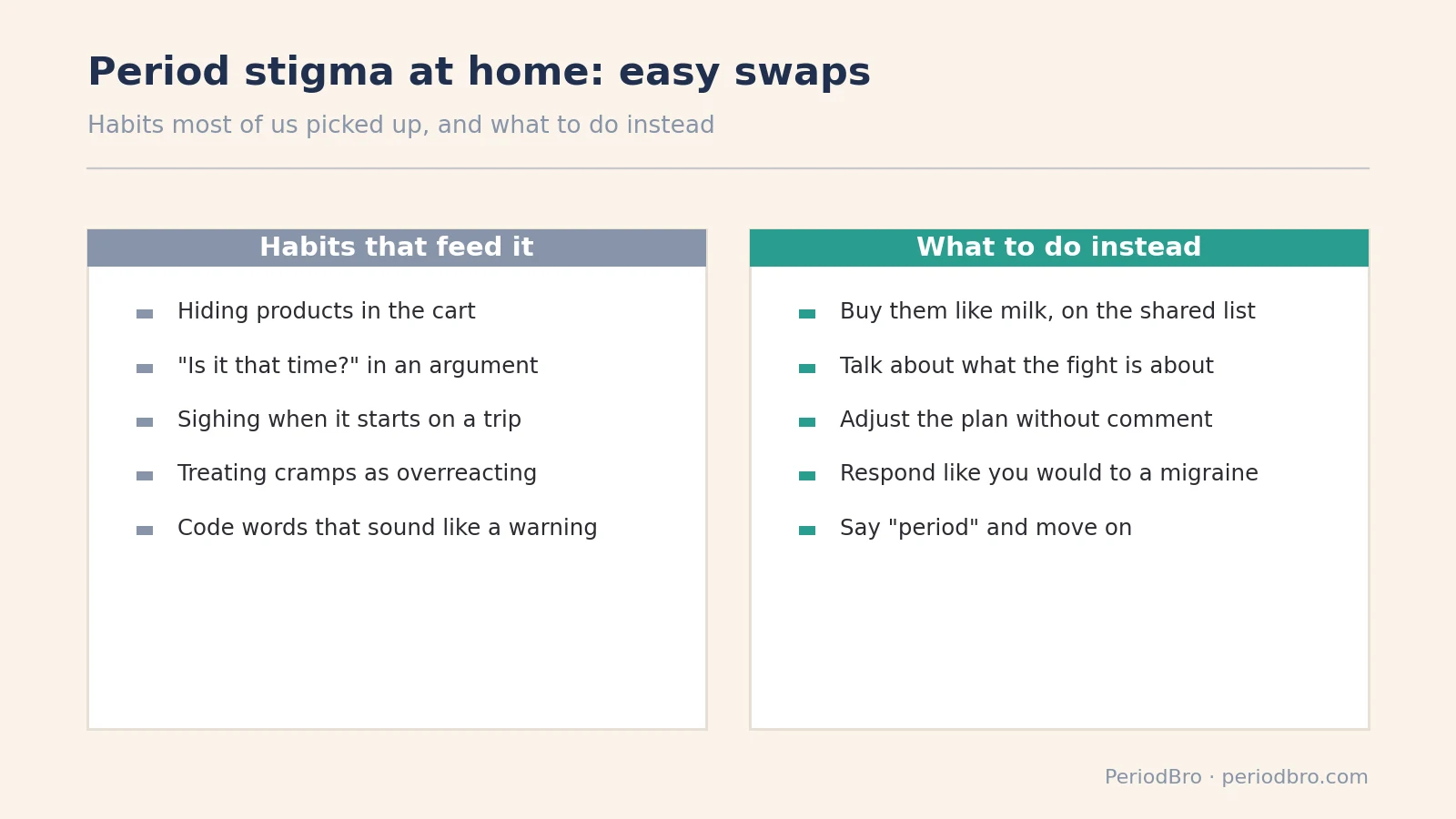
At home, stigma tends to show up as small things. A sigh when the period starts on a weekend away. “Is it that time again?” during an argument. A partner who won’t touch the bin in the bathroom, or who buys products only with a cover story. A rule, never said out loud, that cramps get mentioned only if they’re bad enough to cancel plans. Each one feels minor, and over a few years they add up to a clear signal that her period is an inconvenience to be kept out of sight.
We’ve written about the specific lines that land badly in the worst things to say on her period, and about the hormone excuse in blaming her hormones. This piece is about the wider habit underneath them.
Where the habit comes from
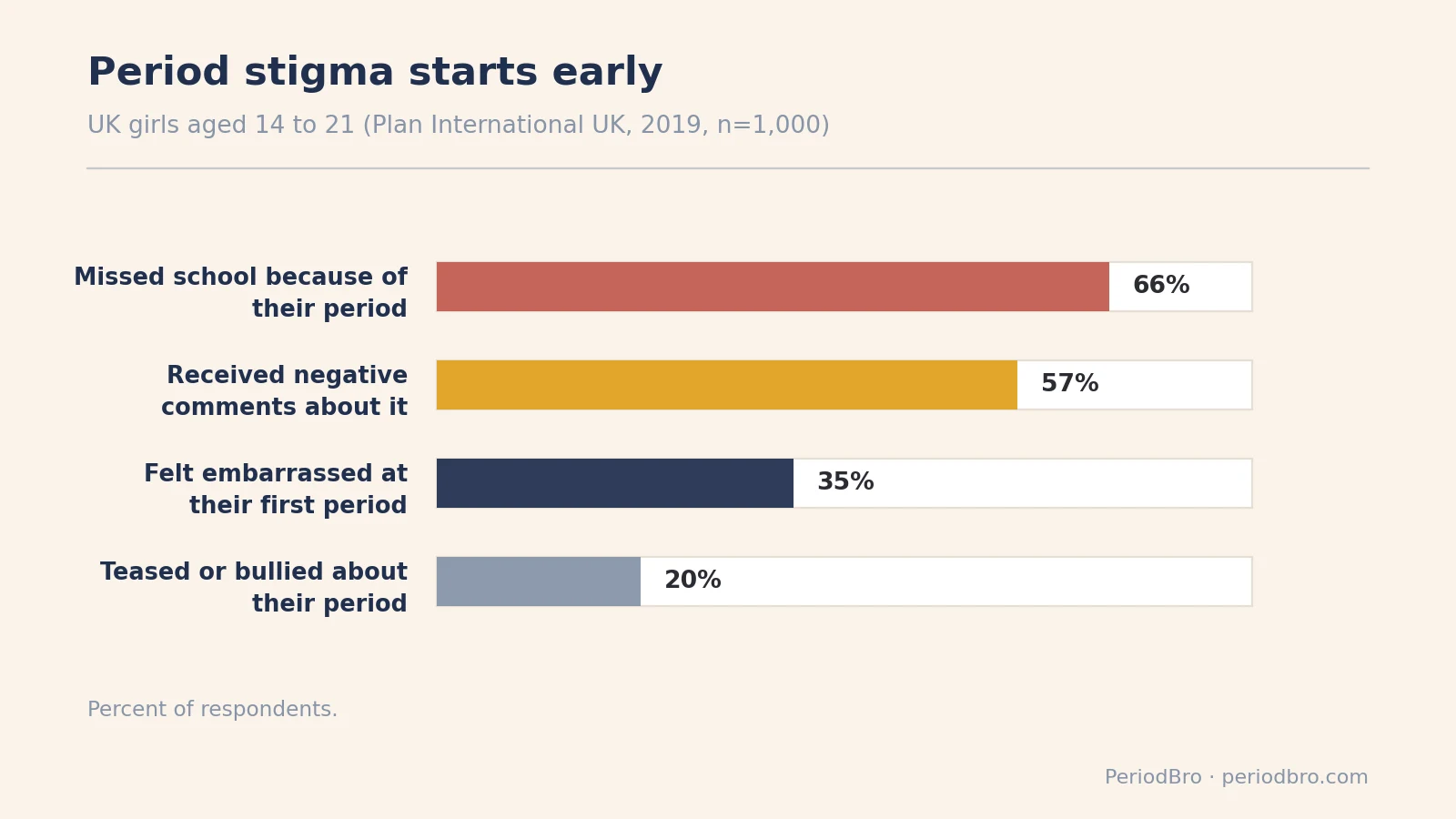
Most of us learned it early. In a 2019 Plan International UK survey of 1,000 girls aged 14 to 21, 57% said they’d received negative comments about their period, one in five had been teased or bullied about it, and two-thirds of that teasing happened at school (Plan International UK). The boys doing the teasing grew up into partners. So did the boys who stood there and said nothing, which was me.
There’s also research on how quickly the attitude kicks in. In a 2002 study in Psychology of Women Quarterly, participants worked with a woman who “accidentally” dropped either a hair clip or a tampon from her bag. When it was the tampon, they rated her as less competent and liked her less (Roberts et al., 2002). The only thing that changed between the two groups was the object on the floor. The reflex runs deep, and being a decent person doesn’t switch it off on its own.
Why it matters more than a few awkward jokes
The first cost is health. When periods are something you don’t talk about, painful or heavy ones get filed under normal for years. The World Health Organization notes that endometriosis affects roughly 10% of women and girls of reproductive age, about 190 million people, and that diagnosis is often delayed because symptoms get normalized (WHO). A partner who treats period pain as a valid topic makes it easier to say “this isn’t normal for me.” If her pain has already been waved away by a doctor, our guide on what to do when a doctor dismissed her period pain can help.
The second cost is the relationship itself. If one week a month is something to be hidden or apologized for, she ends up managing your comfort on top of her body. That’s tiring, and over years it chips at trust. Our piece on why her period can lower her confidence goes into the self-image side of this.
The third cost lands on the next generation. Kids watch how the adults in the house handle it. If the box under the sink is a secret and a son learns that periods are gross, that’s the next round of teasing. Plan’s 2019 survey found that 66% of the girls had missed part or all of a school day because of their period, most often for fear of leaking (Plan International UK).
Small ways to stop feeding it
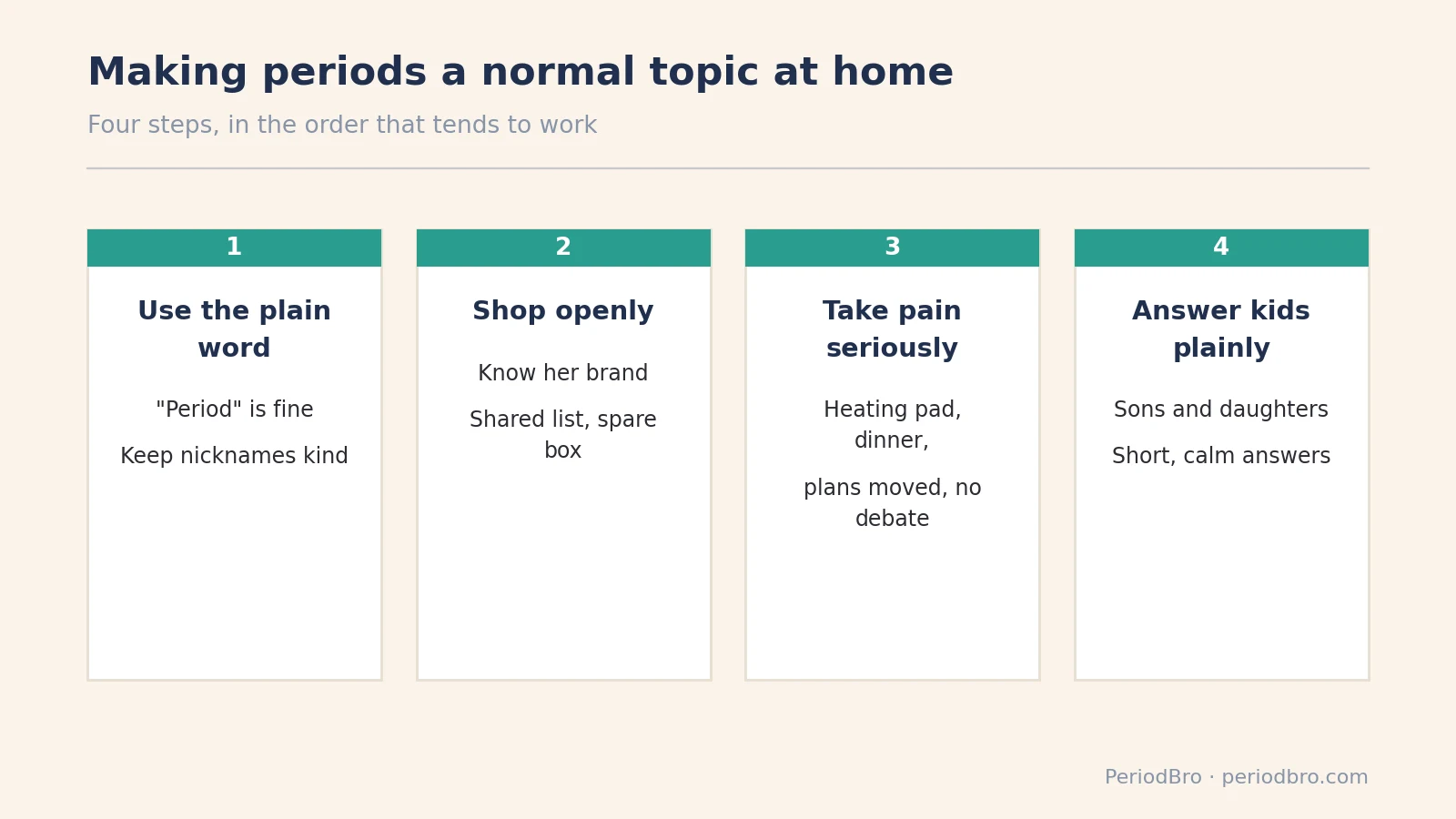
Say the word. “Period” is fine. You don’t have to ban the nicknames you both like, just drop the ones that sound like a warning sign, and never use her cycle as a point in an argument. If you’re early in a relationship and don’t know where her line is, periods in a new relationship covers how to ask.
Buy the stuff like you buy milk. Learn her brand and size, keep a spare box in the car or your bag, and put it on the shared shopping list. Our guide to period products for partners helps if the shelf looks like a foreign language.
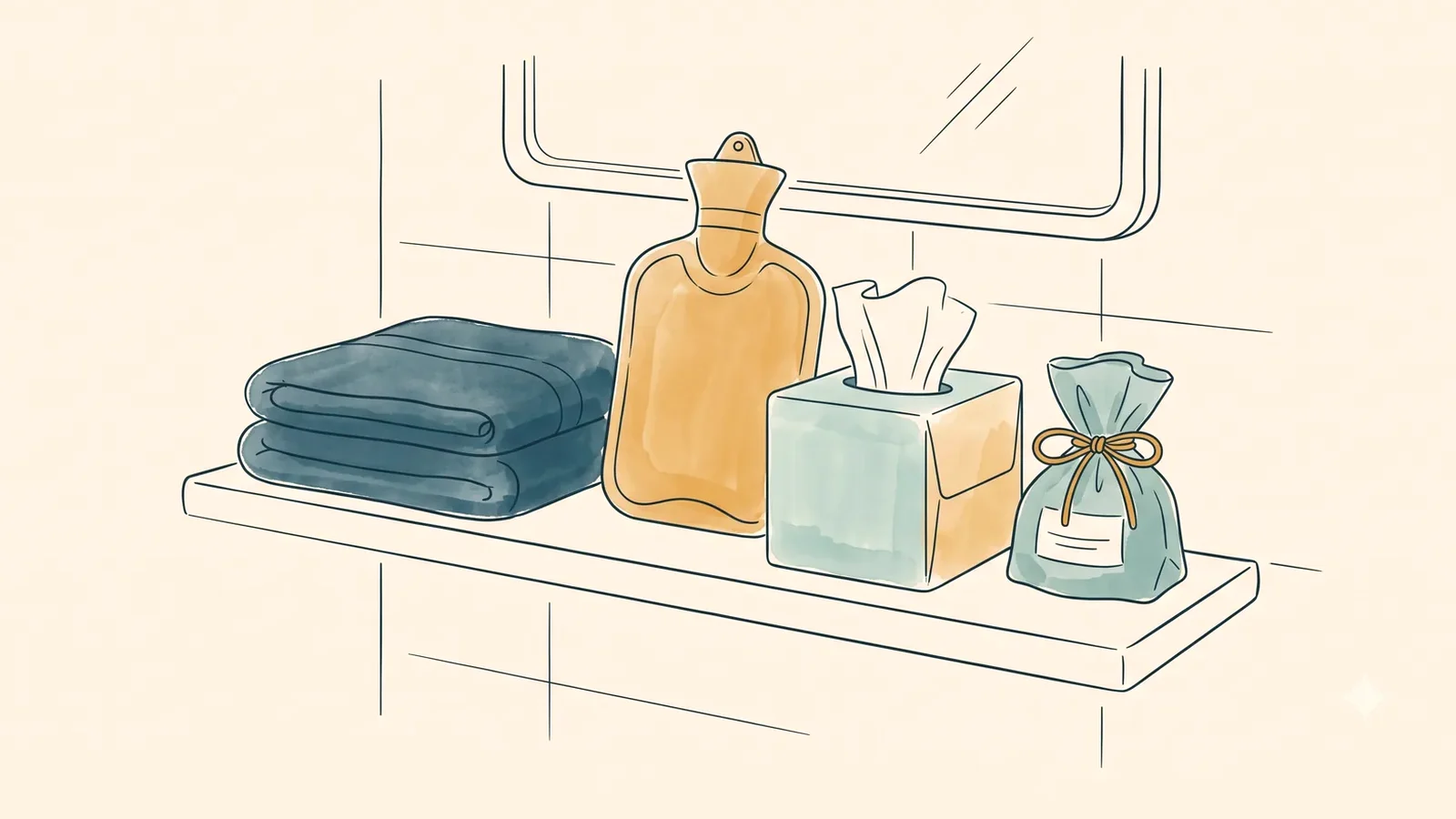
Treat pain like pain. If she says cramps are bad today, respond the way you would to a migraine or a pulled back. Offer a heating pad, take over dinner, move the plans. No commentary about whether it’s “really that bad.”
Keep the bathroom boring. A visible box of pads on the shelf is no stranger than toothpaste. If guests are coming, there’s nothing to hide.
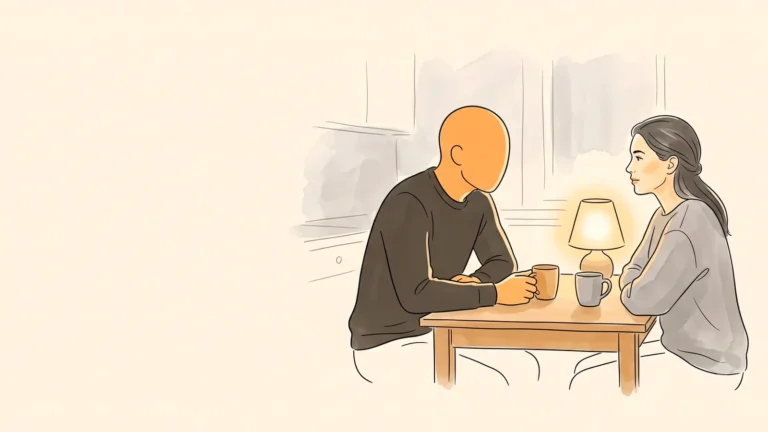
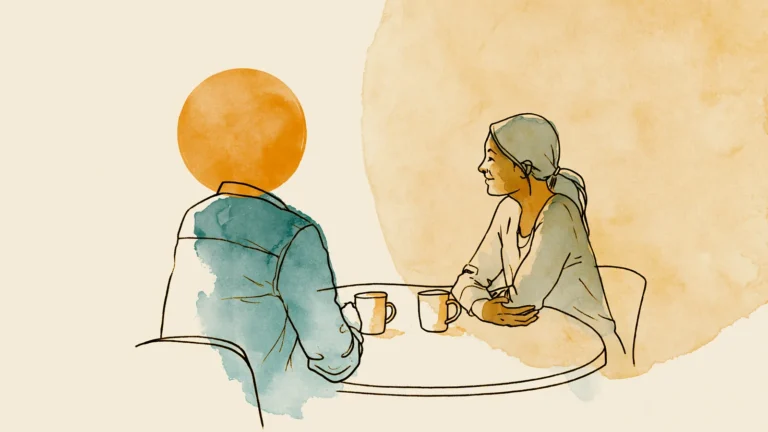
Ask, don’t assume. Some people like their partner to know every detail of their cycle, and some don’t. Stopping stigma doesn’t mean she has to talk about it more than she wants to. It means she never has to hide it from you. If you’re not sure how to open that door, how to talk to your partner about her period has a few scripts.
When someone else makes the joke
Sooner or later a friend, a coworker or a relative will make the “is she on her period?” crack, sometimes with her in the room. You don’t need a speech. A flat “she’s annoyed because the plan fell through” or a plain “that’s not it” does the job, and it tells her you’re not going to join in. Laughing along, even to keep the peace, tells her the opposite.
Family can be harder. If an older relative treats periods as unmentionable, you don’t have to change their mind. You just have to make sure the rules of your own home are different. Keep the products where they are, answer the kids’ questions plainly, and if someone comments, a calm “it’s a normal thing in our house” usually closes the topic.
If you have kids
Kids pick up the family rules early, often before anyone explains them. This is where the habit either gets passed on or stops. Talk about periods at the dinner table level of normal, with sons as well as daughters. Let them see you buy the products without a cover story. Answer the awkward questions when they come, briefly and without making a face. If you need a starting point, we have guides on talking to your son about periods and talking to your daughter about periods.

What changed for me
I’d like to say I worked all this out on my own. I didn’t. Years later, a girlfriend laughed at me for hiding a box of pads under a bag of apples and asked who I thought was watching. I didn’t have a good answer. The next time I put the box on the belt by itself, the cashier didn’t blink, and something small between us got easier. Over the next few months she stopped announcing her period with an apology and started mentioning it the way she’d mention a headache or a long day.
One conversation won’t undo period stigma, and you don’t need a lecture to get started. It wears down through lots of small moments where you treat her period as an ordinary part of sharing a life. For the bigger picture of why that support matters, read how partner support affects her period.
I built PeriodBro because I wanted her cycle to be something I understood and planned around instead of something I tiptoed past. If that sounds like you, you can try it free here.
PeriodBro provides educational information and is not a substitute for professional medical advice. Always consult a qualified healthcare provider for personal medical decisions.