How Attachment Style Shapes the Way You Show Up for Her
Your partner’s mood on day 24 of her cycle is not just about hormones. It’s also about you, specifically about whether your attachment style and her period end up working together or crashing into each other every single month. That collision is more predictable than most guys think, and it is mostly avoidable once you can name what is actually happening.
When you start dating someone who tracks her cycle, or starts asking you to, the hard days do not just test her. They test how you, personally, handle closeness, distance, and someone else’s bad mood. Attachment theory, the psychology framework built around how we learned to handle closeness as kids, predicts a lot of that. Her period is not what causes your attachment style. Her hardest week is a stress test, and stress is exactly what makes your attachment style show up loud and clear, according to research on attachment and conflict in adult relationships.
Most partners never connect these two things. They treat every rough week as a fresh mystery: is she mad at me, is this the hormones, did I do something. The actual pattern repeats month after month, mostly because no one names it.
Attachment theory sorts people into a few broad patterns based on how consistent and responsive their early caregivers were. Psychologists generally describe three working styles in adults: secure, anxious, and avoidant, with a smaller fourth category (fearful-avoidant, sometimes called disorganized) that mixes features of the other two. The American Psychological Association’s overview of attachment bonds puts it plainly: these patterns, formed early, keep shaping how adults handle intimacy, conflict, and distress for the rest of their lives. You did not choose yours. You built it as a kid, out of whatever you had to work with.
What attachment style and her period actually have to do with each other
During the luteal phase, roughly the one to two weeks before her period, hormone shifts can bring on real symptoms: irritability, low mood, fatigue, a shorter fuse. Up to 90 percent of women report at least one PMS symptom, and 20 to 30 percent meet criteria for PMS itself, according to the NIH’s clinical overview of premenstrual disorders. Biologically, that week is a stretch of elevated stress on her system.
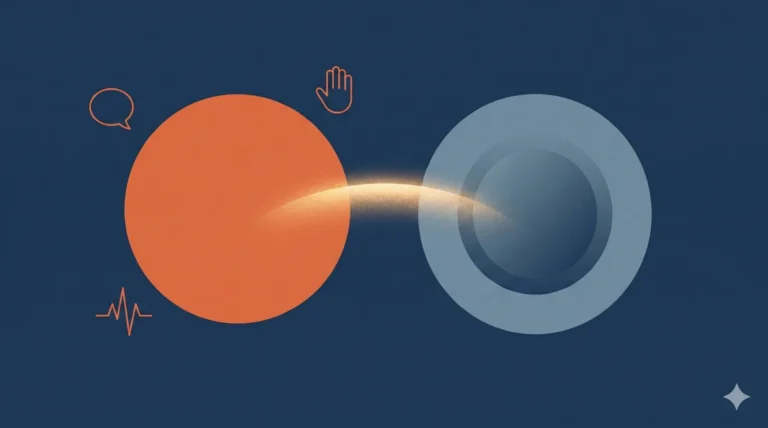
Attachment researchers Mario Mikulincer and Phillip Shaver spent decades showing that stress is exactly when attachment patterns take over. Under pressure, people automatically reach for whatever strategy their nervous system learned works, whether that is leaning in for reassurance or pulling back to handle it alone, as described in their work on the attachment system in adulthood. That means two stress systems are running at once during her hard week, hers biological and yours psychological, and how they interact decides whether the week goes fine or goes sideways.
The three patterns, and what they do under stress
Secure attachment means you can stay close without losing yourself and give someone space without spiraling about what it means. You had, roughly, consistent caregiving. You do not read every mood swing as a verdict on you.
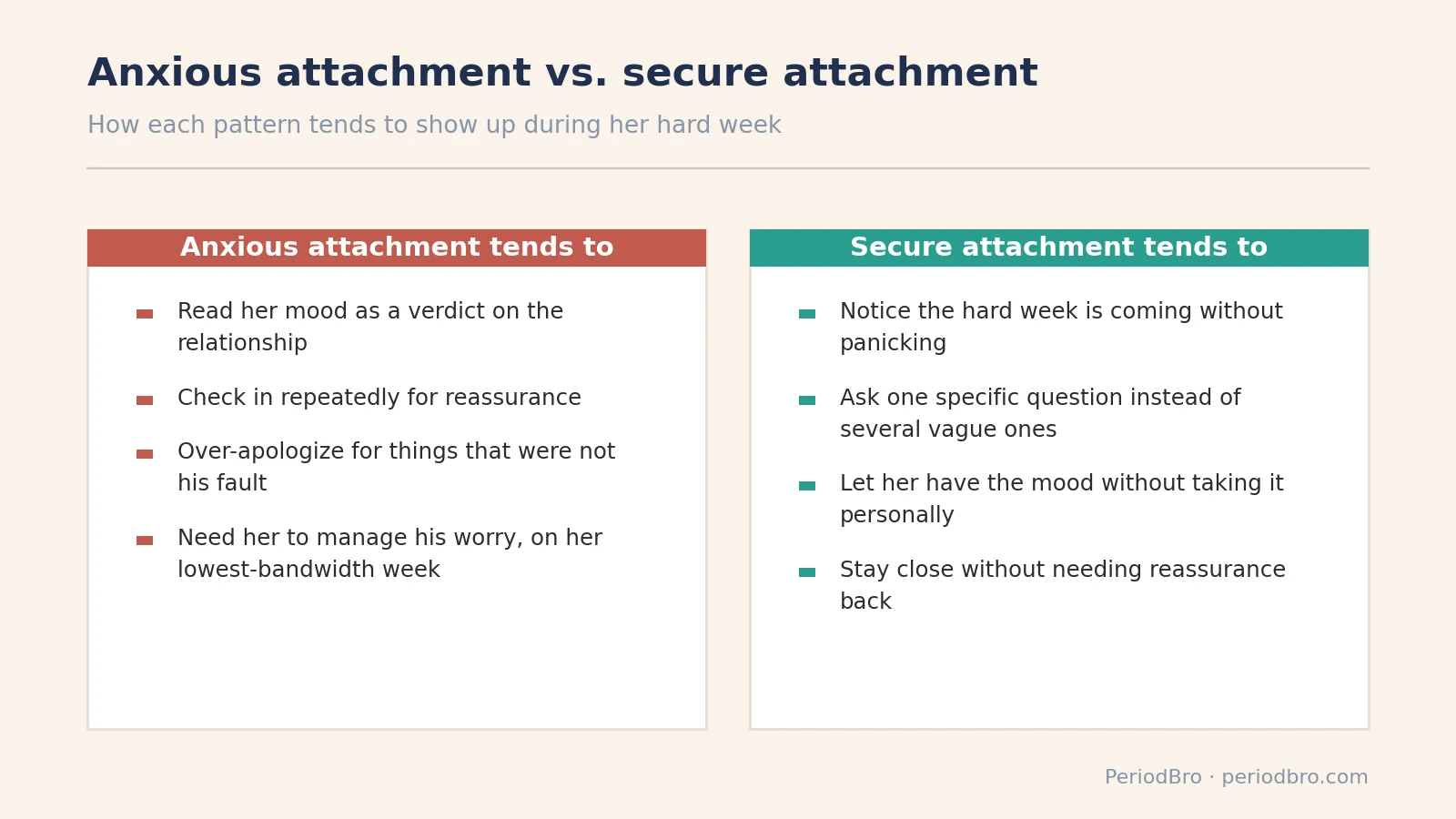
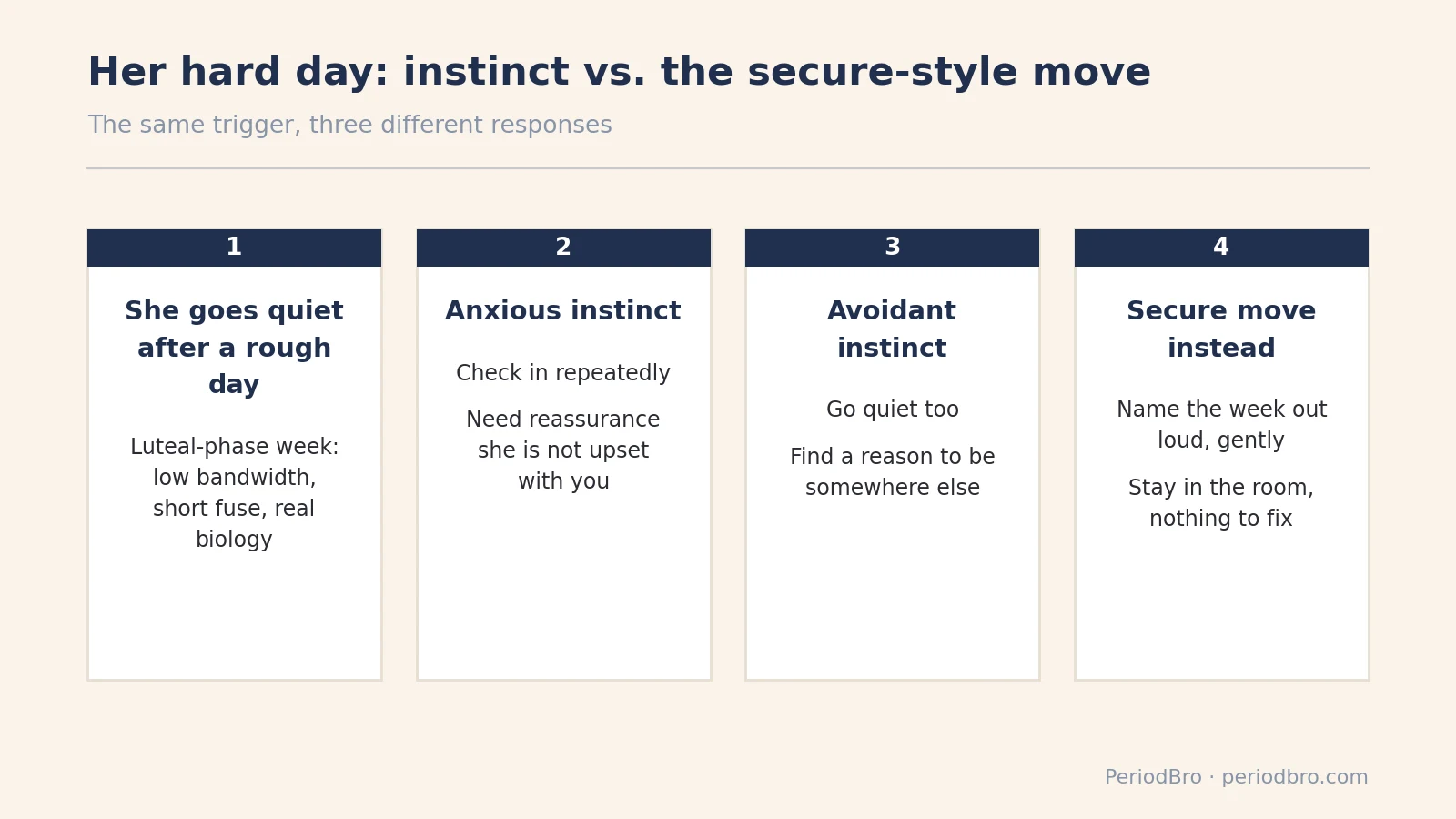
Anxious attachment means distance feels like danger. Under stress, you might check in too much, ask “are we okay” three different ways in one evening, or quietly need her to reassure you that she is not upset with you, on the one week she has the least bandwidth for that. It comes from a real place, usually inconsistent caregiving that taught you love could disappear if you were not vigilant, and it is a strategy that made sense once rather than a character flaw.
Avoidant attachment means closeness itself feels like the threat. Under stress, you might go quiet, find reasons to be somewhere else, or mentally check out while still sitting on the couch next to her. That pattern usually comes from caregiving that punished neediness, so you learned early to handle everything solo instead of asking.
Anxious attachment during her hard week
If this is you, her bad day can feel like a threat to the relationship instead of a biology problem. You might over-apologize for things that were not your fault, or fish for reassurance at the exact moment she has none to give. I have watched a friend do this for years without realizing it: every time his girlfriend went quiet and irritable, he would ask if she was mad at him, over and over, until she snapped, which then felt like proof he was right to worry. He was reading a hormonal low as a relationship crisis, then creating the very conflict he was afraid of.
The fix is not to stop caring, it is to hold the anxiety yourself instead of routing it through her. Text a friend, go for a run, remind yourself this is a phase of her cycle and not a verdict on the relationship, then check in once you have. Self-soothe first, check in second.
Avoidant attachment during her hard week
If this is you, her hard week can feel like an invitation to disappear, physically or emotionally. You might work late that week without quite noticing the pattern, or go silent right when she needs you to stay present. It rarely looks like a decision. It looks like distraction, tiredness, a sudden urge to reorganize the garage.
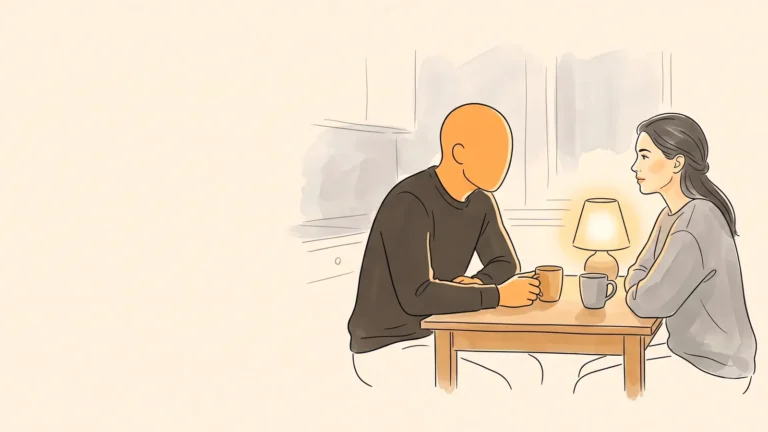
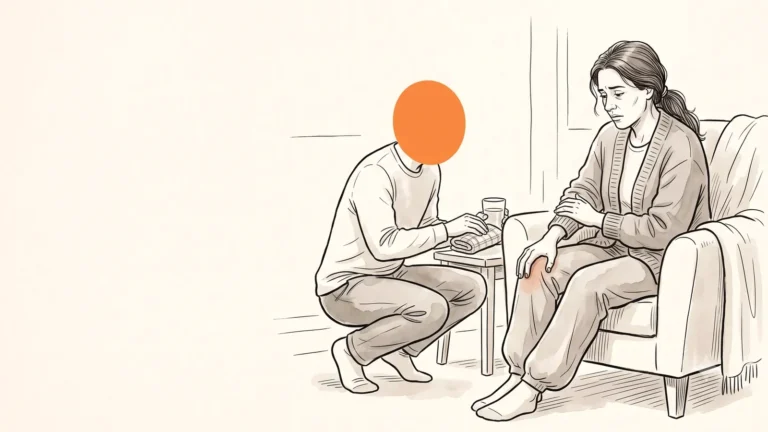
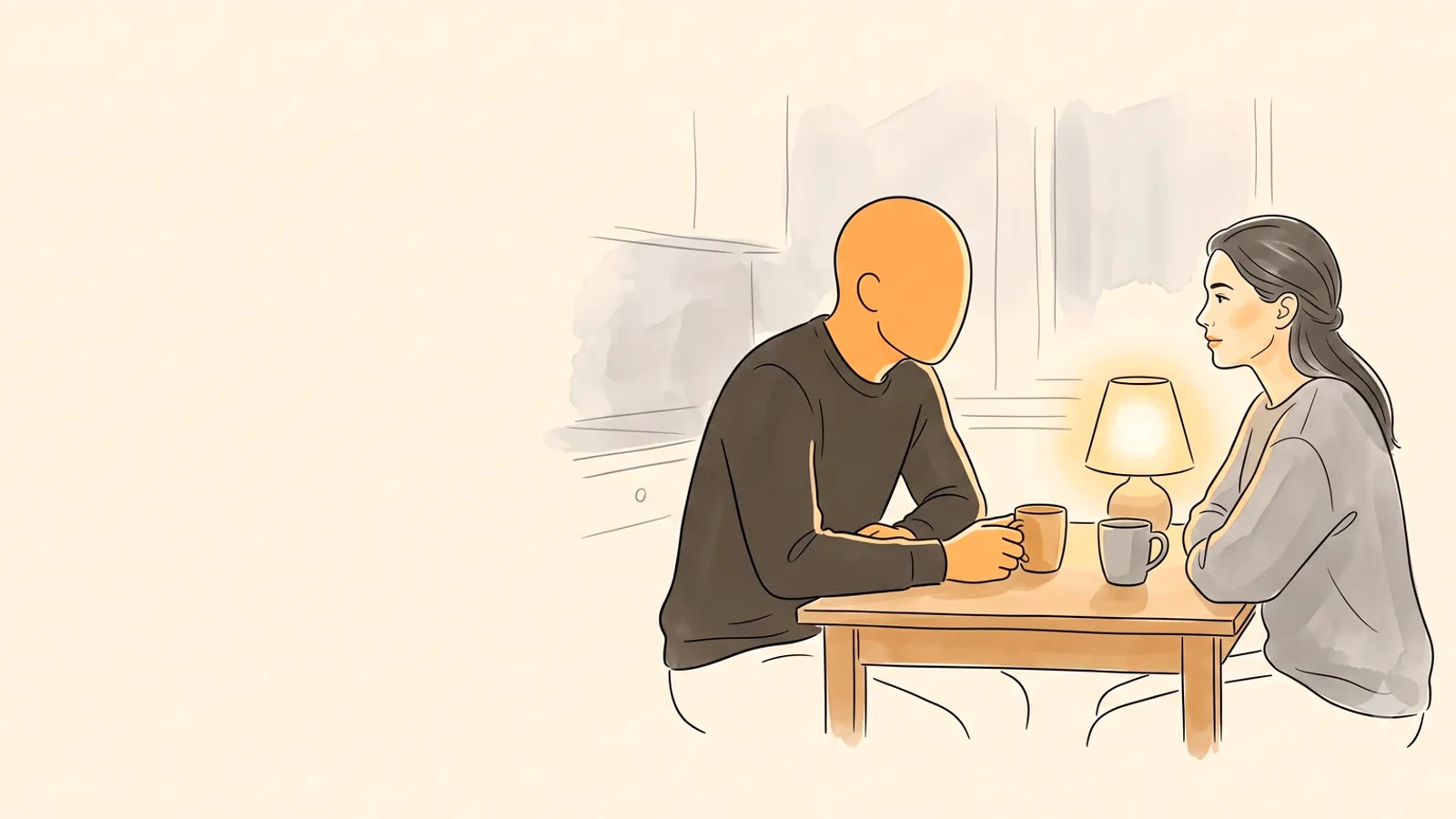
The fix here is smaller than it sounds: stay in the room. You do not have to fix her mood or say the perfect thing. Sitting next to her while she is upset, without solving anything, is often the entire ask, even though it runs against every instinct telling you to retreat.
What secure attachment actually looks like
Secure does not mean unbothered. It means you can be affected by her mood without needing her to manage your feelings about it. Practically, that looks like small, boring, repeatable moves: noticing when the hard week is coming instead of getting ambushed by it, asking a specific question instead of a vague one, and giving her room without going cold.
This is where cycle awareness for partners earns its keep. Attachment style is mostly fixed by adulthood, but knowing roughly when the hard week is coming lets even an anxious or avoidant partner plan around it instead of reacting blind. Rewriting your attachment history takes years of work, if it happens at all. Getting better at the twelve days a month that test it hardest takes a lot less, and it is a lot of what conscious partners do differently from partners who are just winging it.
If you want the deeper mechanism behind why the same small comment lands fine on day 10 and lands like an attack on day 25, that is largely the hidden cause of recurring arguments in a lot of relationships: no one is tracking the pattern, so every fight gets treated as a one-off.

When it is not attachment style, it is PMDD
One honest caveat: not every hard month is explained by attachment styles clashing. Premenstrual dysphoric disorder, or PMDD, is a diagnosable clinical condition, not just a rough patch. It affects an estimated 2 to 5 percent of women and involves real depression, anxiety, anger, or hopelessness in the run-up to her period, severe enough to disrupt daily life, according to Cleveland Clinic’s overview of PMDD. If what you are seeing every month looks less like irritability and more like a genuine mood collapse, especially if it includes talk of hopelessness or self-harm, that is a signal for a doctor, not a communication fix. Our guide to being a better partner through her cycle and our full PMDD guide for partners both go deeper on where that line sits.
Standard treatment guidance from ACOG covers lifestyle changes, targeted supplements, and medication options depending on severity, laid out in the current clinical management guideline. That is a conversation for her and her doctor. Your job in that scenario is support and patience, not diagnosis.
A few things that actually help this week
None of this requires becoming a different person. A few moves that work regardless of which pattern you lean toward:
Name the week out loud, gently. Something like “rough few days coming up, anything I can take off your plate” beats either silence or overcorrecting.
Separate her mood from your worth. If you are the anxious type, this is the single highest-leverage habit you can build. Her bad day is rarely a referendum on you.
Stay physically present even when you want to retreat. If you lean avoidant, presence without pressure to fix anything is the whole assignment.
Notice the pattern instead of relitigating it every month. That is the practical case for tracking her cycle as a partner in the first place: it turns a mystery you re-solve every month into a pattern you can actually plan for.
This is where an app like PeriodBro helps, not as a substitute for the work above but as the thing that flags “her hard days are probably coming” before you are caught off guard by them.
PeriodBro provides educational information and is not a substitute for professional medical advice. Always consult a qualified healthcare provider for personal medical decisions.