Iron Deficiency in Teenage Girls: A Dad’s Guide to Signs and Next Steps
A dad I know has a 15-year-old on the swim team. Over one winter her times got slower, she started napping the minute she got home, and she was cold in a house where everyone else was in T-shirts. He put it down to school stress and growth spurts. A routine physical turned up the real reason: her iron stores were close to empty. Iron deficiency in teenage girls is one of those problems that hides behind normal teenage stuff, and dads are often the last to hear about the heavy periods that usually drive it.
Below: why teen girls run low on iron so often, the signs worth noticing, what to ask the doctor for, and how to help at home without turning dinner into a nutrition lecture.

Why teenage girls run low on iron
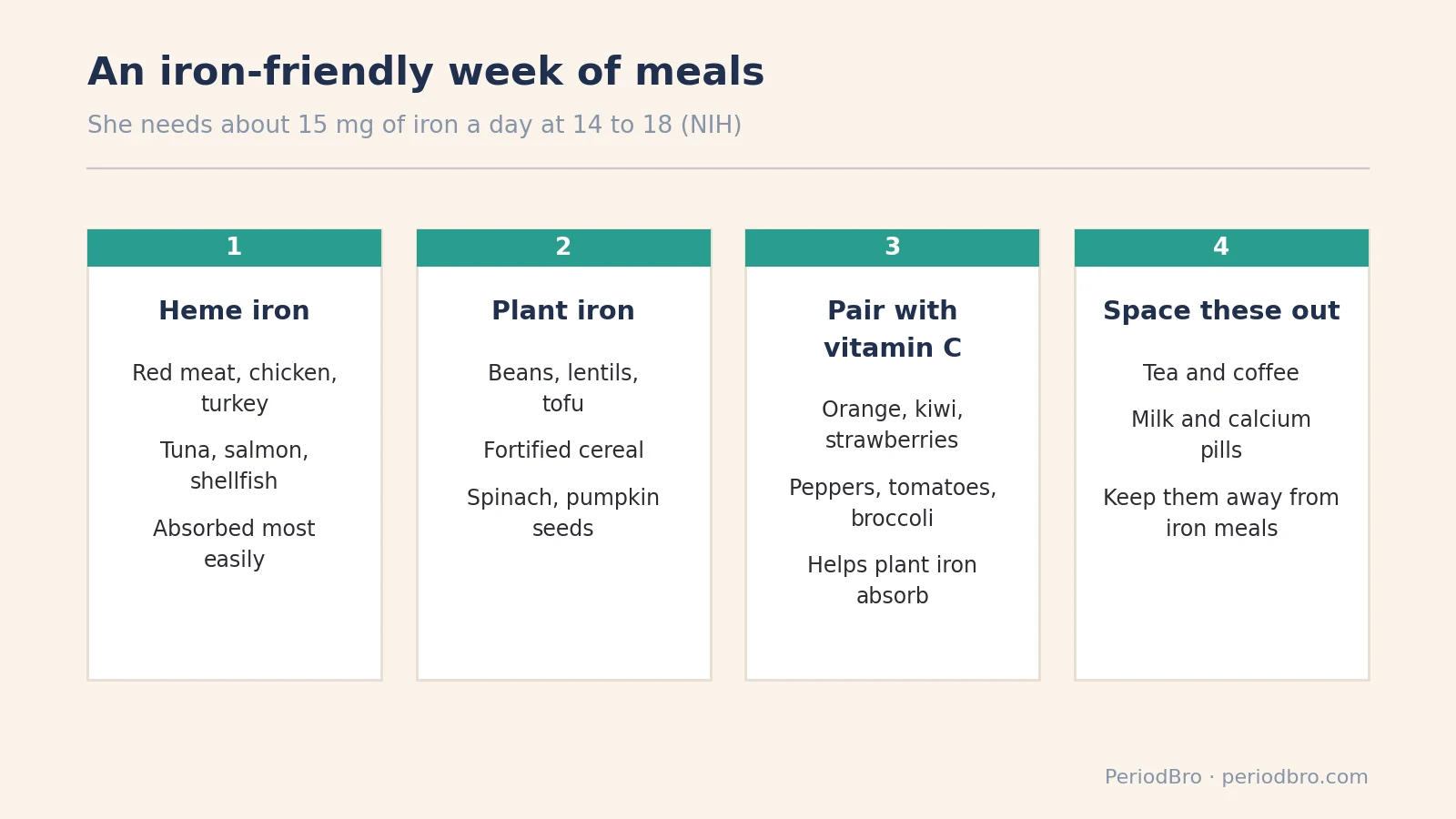
Two things happen at once in the teen years. She’s growing fast, which raises her need for iron, and she’s started losing blood every month. The NIH puts the recommended iron intake for girls aged 14 to 18 at 15 mg a day, almost double the 8 mg recommended for ages 9 to 13 (NIH Office of Dietary Supplements). Plenty of teenage diets don’t get close.
Periods are the bigger piece. Early cycles are often irregular and can be heavy, because the hormone system hasn’t settled into a steady rhythm yet. A review of iron deficiency in teenage girls pointed to the start of periods, combined with diet, as the main driver (PMC review). If her periods seem heavy, our guide to heavy periods in teens covers what counts as heavy at her age.
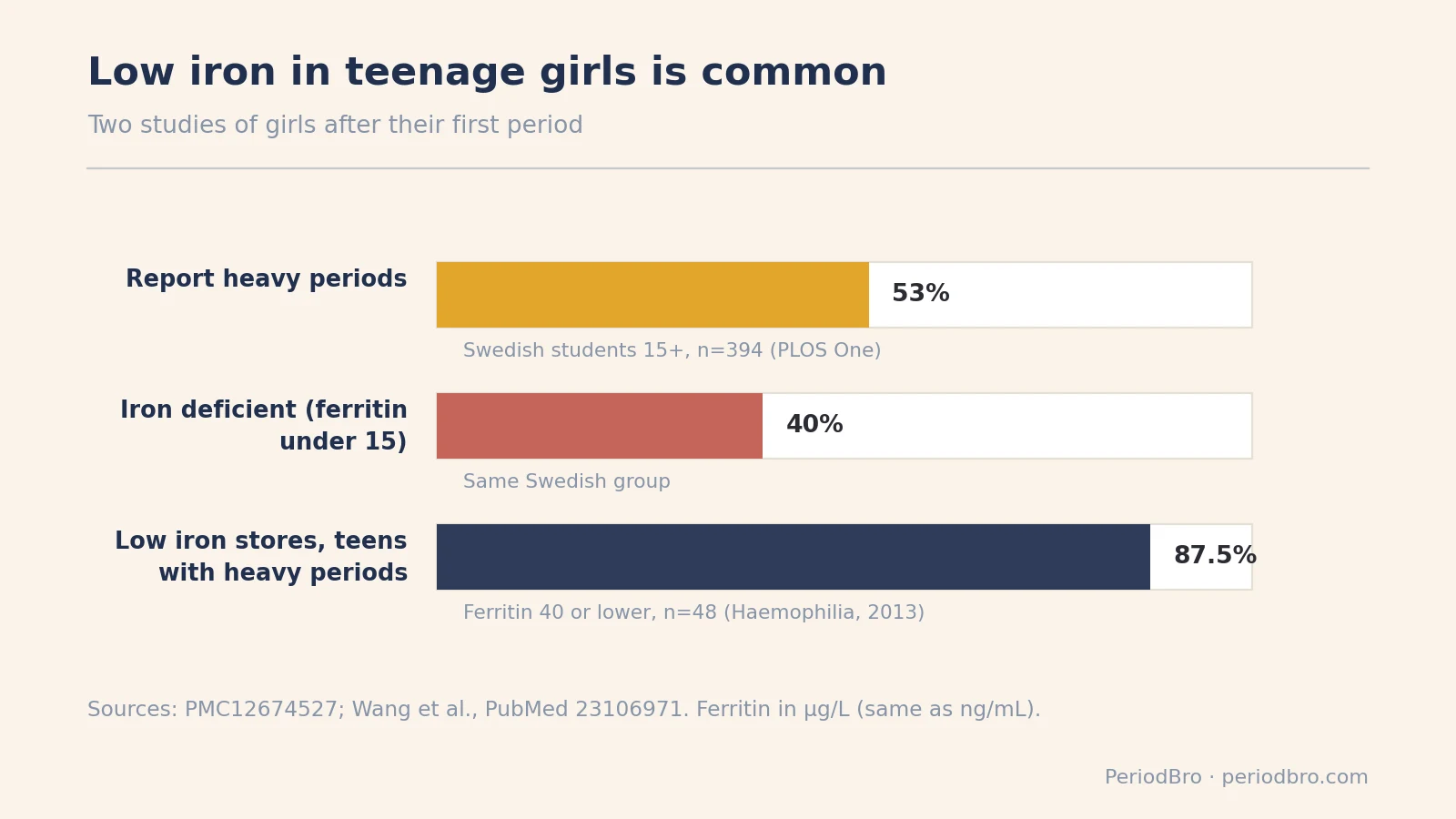
Diet adds to it. In a Swedish study of 394 high school girls, about 40% were iron deficient, and more than half reported heavy periods. Girls who had both heavy periods and a diet low in meat had 13.5 times the odds of iron deficiency compared with meat-eaters with normal periods (PLOS One). Teens going vegetarian is common and can be perfectly healthy. It just needs a bit more planning.
Signs of iron deficiency in teenage girls
Most signs look like ordinary teenage life, which is why they get missed. The common ones:
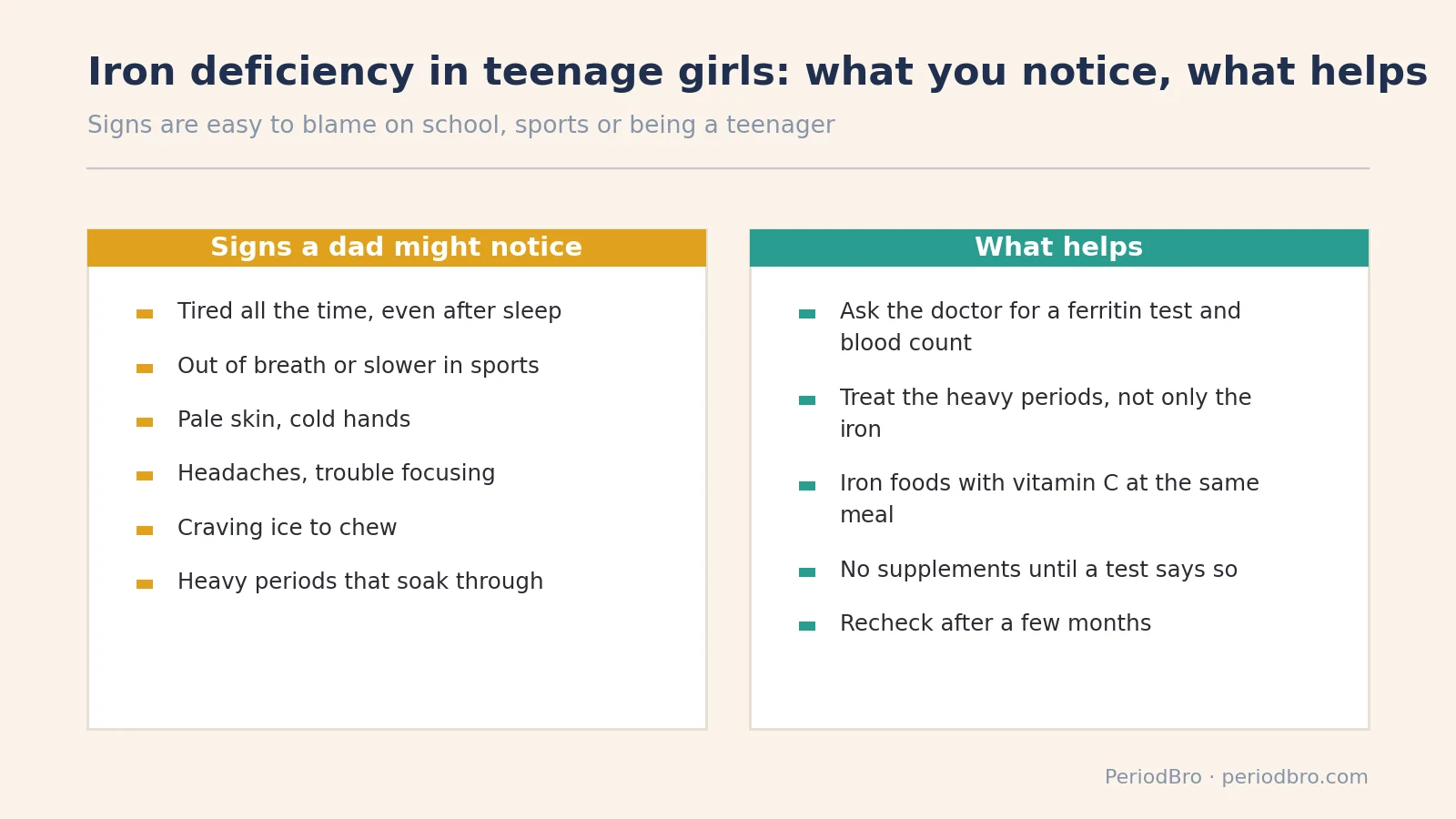
- Tired all the time, even after a full night’s sleep.
- Out of breath faster than usual, or slower in sports.
- Pale skin, cold hands and feet.
- Headaches and trouble concentrating at school.
- Craving ice to chew, or sometimes stranger things like dirt or starch.
- Restless legs at night, or brittle nails.
The ice one surprises a lot of parents. Cleveland Clinic lists craving ice, called pagophagia, as a classic sign of iron deficiency (Cleveland Clinic). If your kid is crunching through the ice tray every evening, that’s a decent reason to ask about a blood test.
Sleep and mood can take a hit too. She may seem flat or irritable when she’s actually just running on empty. Teenage periods and sleep covers how her cycle affects rest more broadly.
Fatigue in teens has a lot of causes, and iron isn’t always the answer. A recent study of adolescent girls found fatigue was linked to heavy periods, skipped meals and nicotine use more than to iron levels alone (ScienceDirect). That’s a good reason to treat a test result, not a hunch.
What to ask the doctor for
A standard blood count checks hemoglobin, which shows whether she’s anemic right now. Iron stores can be low for months before hemoglobin drops, so ask specifically for ferritin. In one study of teens with heavy periods, 87.5% had ferritin at or below 40 and almost 30% were at or below 15, which is the usual cutoff for iron deficiency (Haemophilia, 2013).
If her periods are heavy, the doctor should also think about why. Bleeding disorders like von Willebrand disease often show up for the first time when a girl starts her period. ACOG recommends that teens with heavy periods be screened for a bleeding disorder (ACOG). The CDC estimates von Willebrand disease affects up to 1 in 100 people and lists heavy periods among its main signs (CDC). If anyone in the family bleeds easily, mention it.
A short list to take into the appointment:
- Can we check ferritin along with the blood count?
- Are her periods heavy enough to look into, and should she be tested for a bleeding disorder?
- If she needs iron, what dose, for how long, and when do we recheck?
- Is there anything in her diet or training we should change?
She’s old enough to be part of the conversation, and the doctor may want a few minutes with her alone. That’s normal at this age, and it’s often when she’ll mention the things she doesn’t want to say in front of you.
Not sure whether to go to a pediatrician or a gynecologist? Either can order the tests. When a girl should see a gynecologist helps you decide.
Supplements: only with a test
It’s tempting to grab a bottle of iron pills from the pharmacy. Wait for the blood work. Iron is one of the few supplements where too much is a real problem, and the NIH warns that accidental iron overdose is a leading cause of poisoning deaths in children under 6 (NIH Office of Dietary Supplements). If you have younger kids at home, keep any iron locked away.
If the doctor does prescribe iron, a few practical things help it work:
- Take it with orange juice or another vitamin C source.
- Keep it away from milk, tea and coffee by a couple of hours.
- Expect some constipation or stomach upset. Tell the doctor if it’s bad, because the dose or schedule can often be changed.
- It takes months, not days, to refill stores. A recheck usually comes after a few months.

Food that helps, without the lecture
Heme iron from meat, poultry and fish is absorbed far better than iron from plants, roughly 25% compared with a much lower and more variable share (NIH). Plant iron still counts. Beans, lentils, tofu, fortified cereal and pumpkin seeds all help, especially with something high in vitamin C on the same plate.
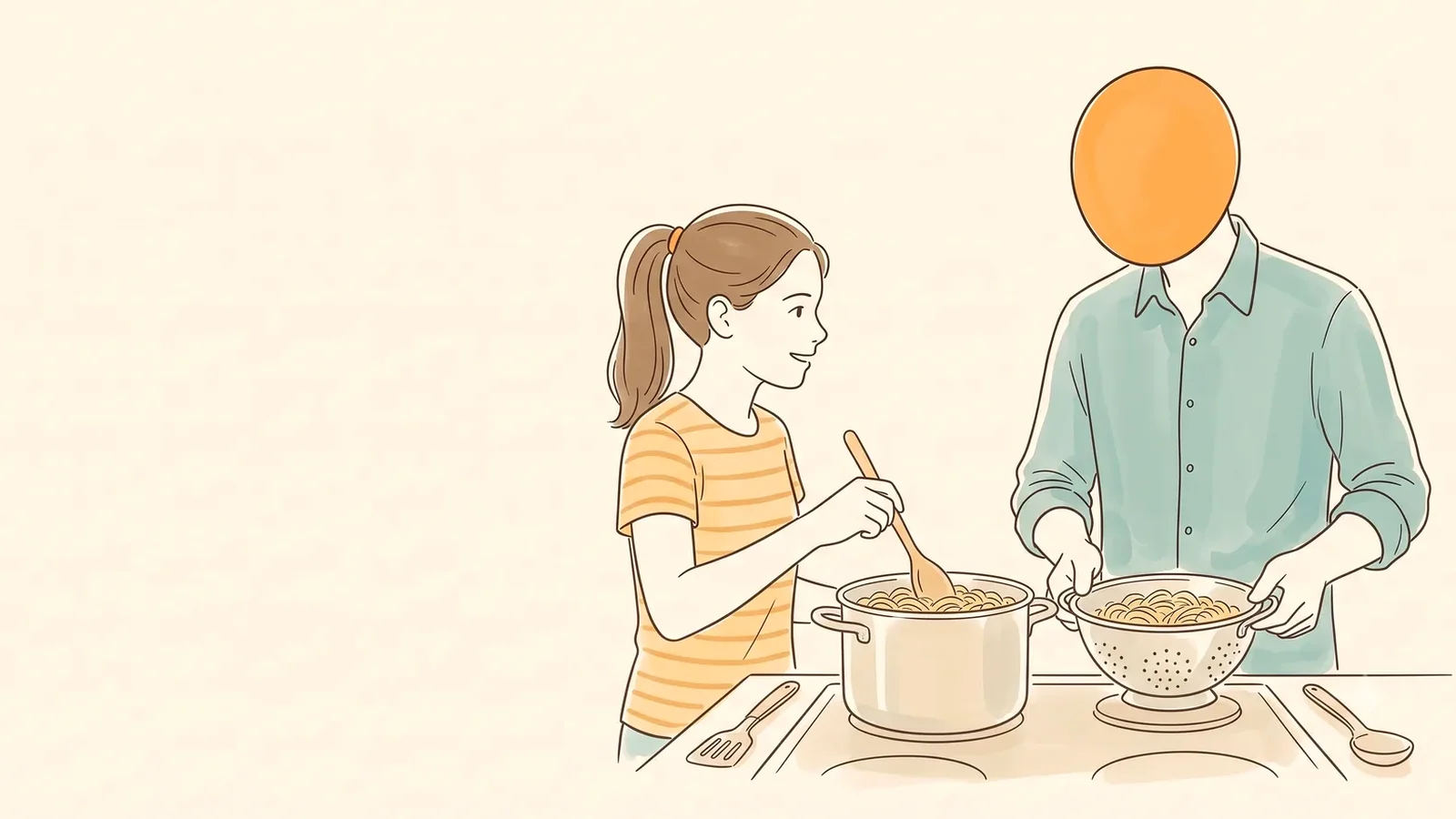
You don’t need to announce an iron plan. Just cook it. Tacos with beans and peppers, chili, a steak night, a stir-fry with broccoli and tofu, cereal with strawberries on school mornings. If she’s vegetarian, ask her to help plan a few meals she likes. Teens are more likely to eat a meal they helped pick.
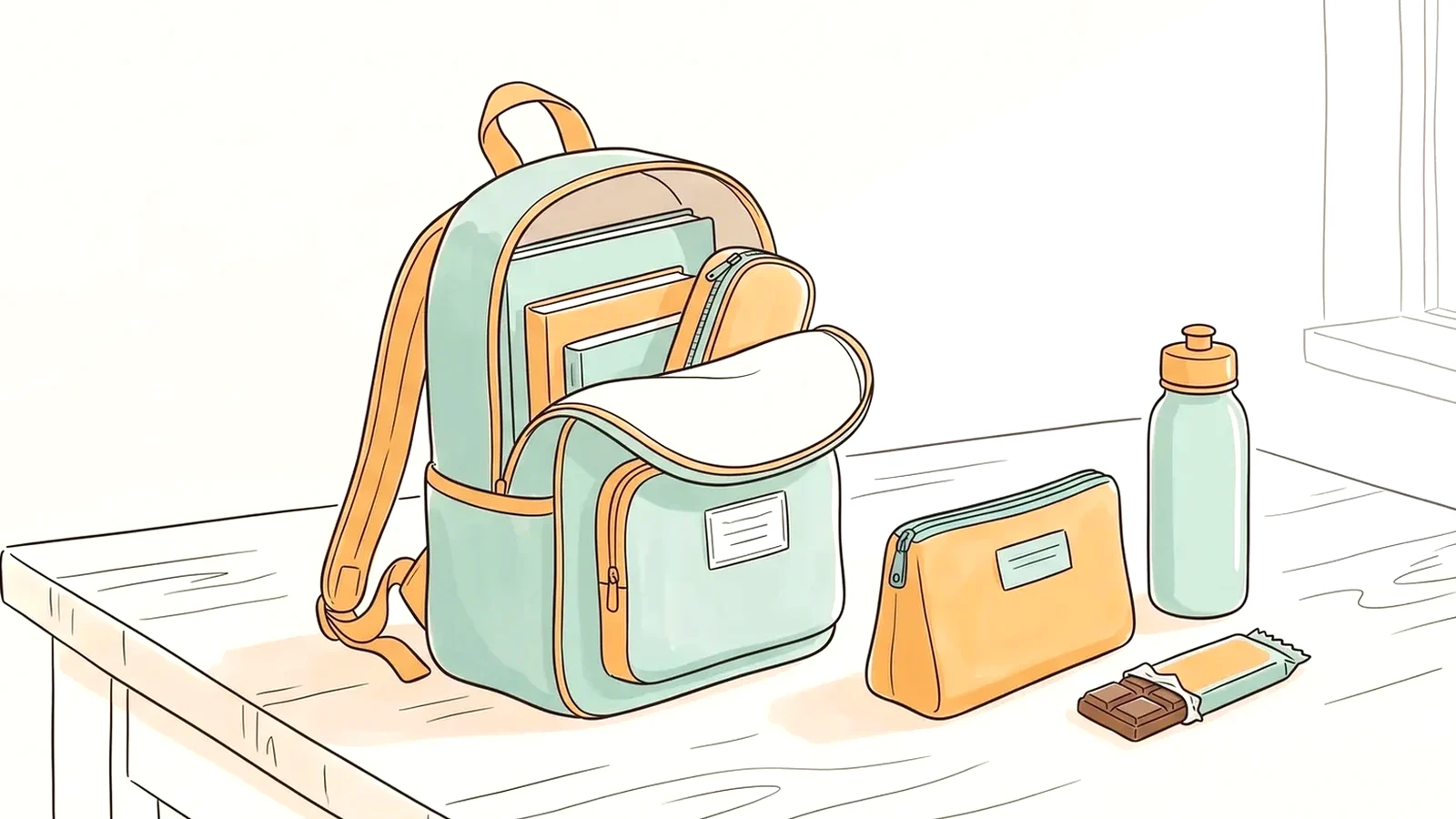
Athletes need extra attention. Hard training raises iron needs, and girls who don’t eat enough for their training can lose their periods altogether, which brings a different set of problems. Teen athletes and missed periods and her period and sports cover that side. A snack and a water bottle in the bag before practice helps more than you’d think.
How to bring it up with her
You don’t need to ask how heavy her period is. Start with what you can see: “You’ve been wiped out lately. Want to get a blood test at your next checkup? Low iron is really common at your age.” That’s about energy, not her body, and most teens are relieved to hear there might be a fixable reason they feel so lousy.
If she does want to talk about her periods, let her lead. How to talk to your daughter about periods has more on keeping those conversations easy.
The swim-team dad said the oddest part was how fast it changed. Three months of prescribed iron, a doctor visit about her heavy periods, a few more bean tacos at dinner, and his daughter was back to cutting seconds off her times. Iron deficiency in teenage girls is common and very treatable. A dad who notices the signs and asks for a ferritin test can shorten a long, tired stretch by months.
PeriodBro provides educational information and is not a substitute for professional medical advice. Always consult a qualified healthcare provider for personal medical decisions, and don’t start iron supplements for a child or teen without a doctor’s advice.