
Menstrual Migraines: Why She Gets Headaches Around Her Period (and How to Help)
The first time I really clocked it, she’d gone quiet by mid-afternoon, pulled the blinds, and said she just needed the room dark for a while. No drama. Just a flat voice and one hand pressed to the side of her head. Her period started the next morning. It wasn’t a bad mood, and it wasn’t anything I’d done. It was a headache that arrived on a schedule I hadn’t learned to read yet.
A lot of partners read that flat voice and that dark room as distance. Often it’s neither. For a large share of women, headaches and full-blown migraine attacks cluster in the days right before and during their period. They’re called menstrual migraines, and they’re driven by a hormone shift you can actually see coming. Once you learn the pattern, you stop guessing and start being useful.
This is a plain-English guide to what menstrual migraines are, why they land when they land, and the handful of things that genuinely help when you’re the person in the room.
What a migraine actually is (and isn’t)
Start here, because the word “headache” undersells it. A migraine is a neurological event, not just a sore head. Attacks are often one-sided, throbbing, and made dramatically worse by light, sound, and movement. Many people also get nausea, and an attack can last anywhere from a few hours to a few days. The Cleveland Clinic describes menstrual migraines as attacks that line up with the menstrual cycle, typically in the window from about two days before bleeding starts through the first few days of the period.
This is common in a way most of us were never told. In a 2021 U.S. survey, about a third of women, and more than half of premenopausal women, reported migraines tied to their menstrual cycle, according to researchers at Georgetown University. Among people who already get migraines, more than half say their attacks are linked to their period, per The Migraine Trust. So if the person you love braces for a headache every month, she’s in very large company.
Why menstrual migraines hit right before her period
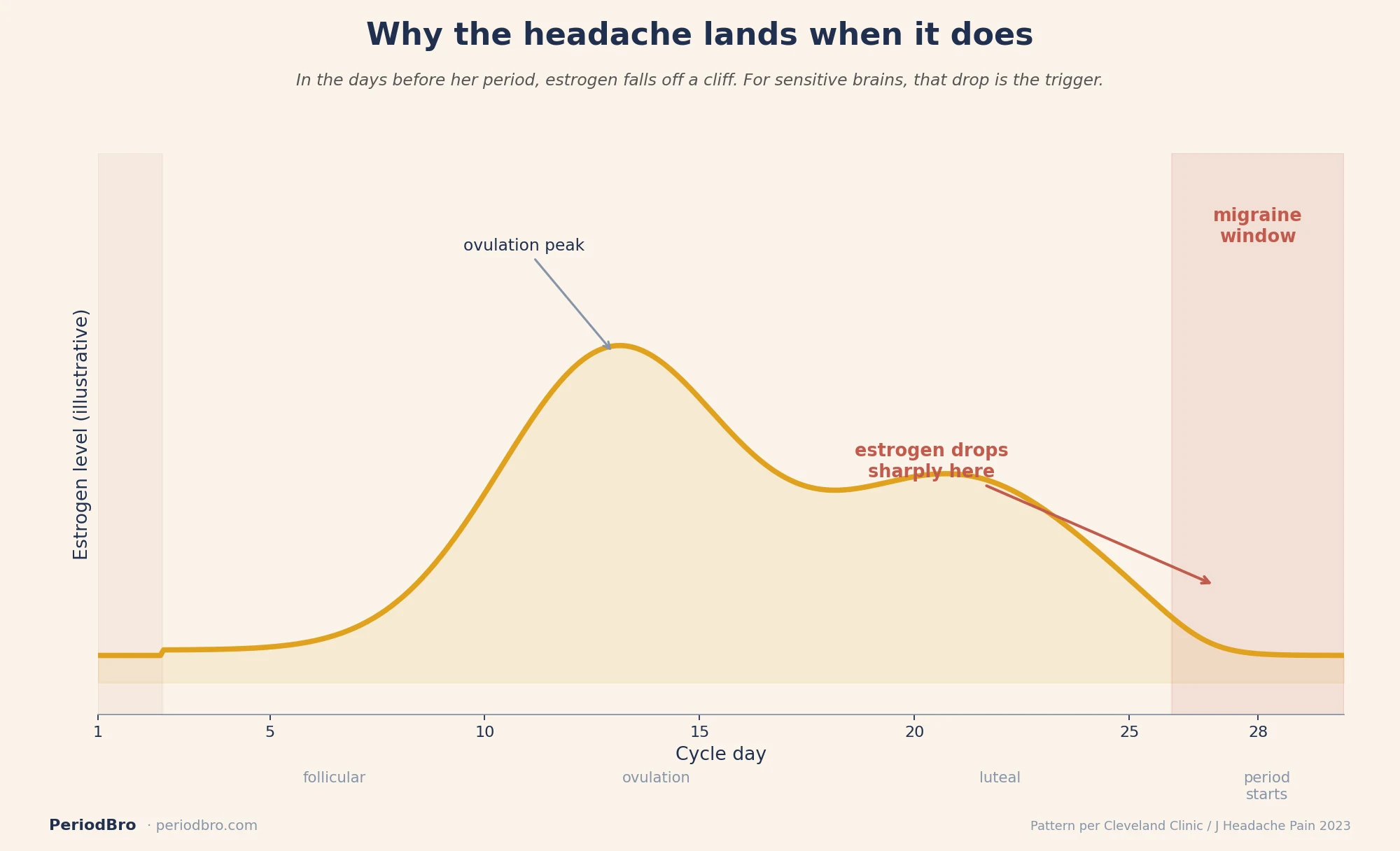
Here’s the part worth understanding, because it turns a mystery into a calendar. Across the cycle, estrogen rises and falls. In the late luteal phase, the stretch just before bleeding begins, estrogen drops sharply. For brains that are sensitive to that swing, the sudden withdrawal of estrogen is the trigger. This is the leading explanation for menstrual migraines, and a 2023 review in The Journal of Headache and Pain walks through the evidence for it.
When estrogen falls fast, pain pathways become more sensitive and the system that produces migraine gets easier to set off. It’s the same hormone story behind a lot of premenstrual symptoms, just expressed as head pain instead of mood or fatigue. If you want the bigger map of how these hormone shifts shape her whole month, we laid it out in how hormones drive her mood and in the four phases of the cycle.
The practical upshot is the good news buried in all of this: it’s predictable. A headache that reliably arrives the day or two before her period isn’t random, and it isn’t a referendum on the relationship. It’s a hormone curve. You can mark it.
How to tell it apart from a normal headache
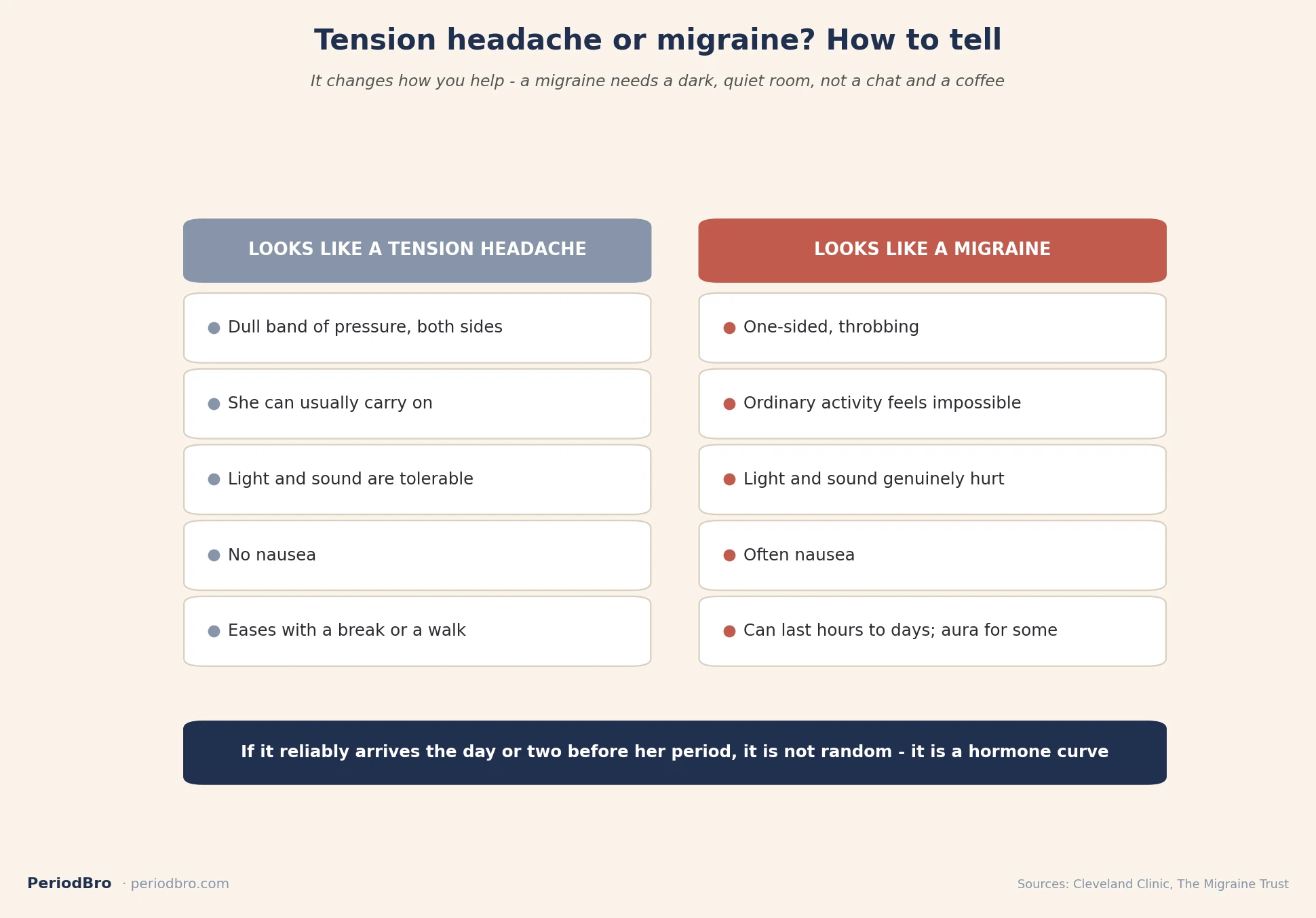
Not every headache around her period is a migraine, and the difference matters for how you help. A tension headache tends to feel like a dull band of pressure around the whole head, and she can usually carry on. A migraine is more likely to be one-sided and throbbing, to come with nausea or sensitivity to light and sound, and to make ordinary activity feel impossible. When she wants the room dark and silent, that’s not her being difficult. That’s textbook neurology.
Some people also get what’s called aura: visual disturbances like zigzag lines, flashing spots, or a blind patch, usually in the half hour or so before the pain. Aura is worth knowing about for a reason I’ll come back to, because it changes the medical picture. And to clear up one common mix-up: the headache can be part of a broader cluster of premenstrual physical symptoms. If she also gets body aches, chills, and exhaustion in that same window, that overlaps with what people call period flu. The migraine is the head-pain piece, and it can travel with the rest.

What actually helps when you’re the one in the room
You can’t take the headache away. That’s the hard, honest starting point. But there’s a real difference between a partner who hovers uselessly and one who quietly makes the next few hours survivable. Here’s where you can actually move the needle.
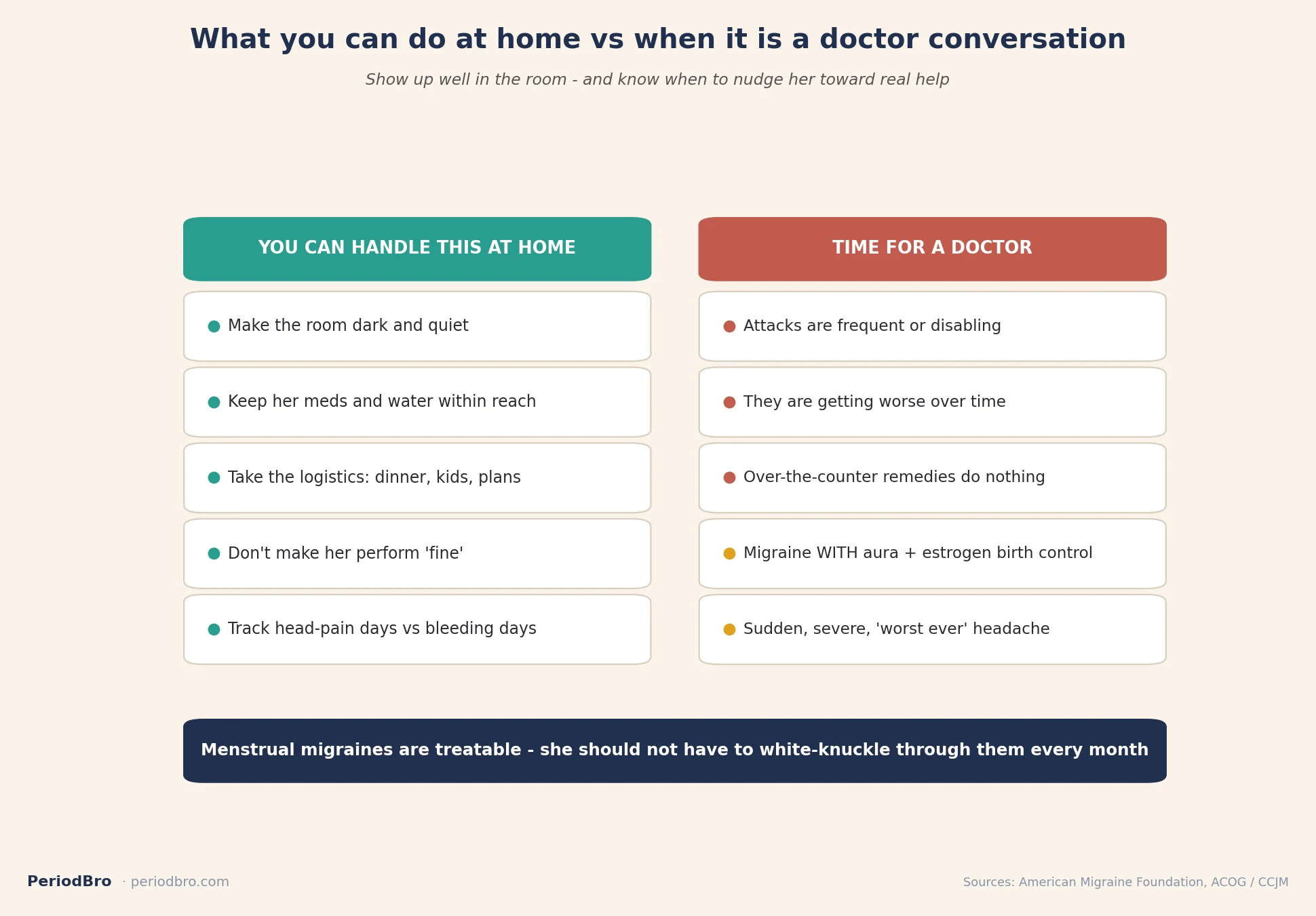
Anticipate it instead of reacting to it. Once you know roughly when in her cycle the attacks land, you can get ahead of them. Keep her usual remedies and a glass of water where she can reach them without hunting. For some people, doctors suggest timing treatment to the cycle, taking an anti-inflammatory or a magnesium supplement in the days before the period to blunt the attack, an approach the American Migraine Foundation describes as mini-prevention. That’s a plan she and her doctor make, not something to improvise, but you can help her remember the timing. Our guide to what to keep on hand for period pain covers a lot of the same shelf.
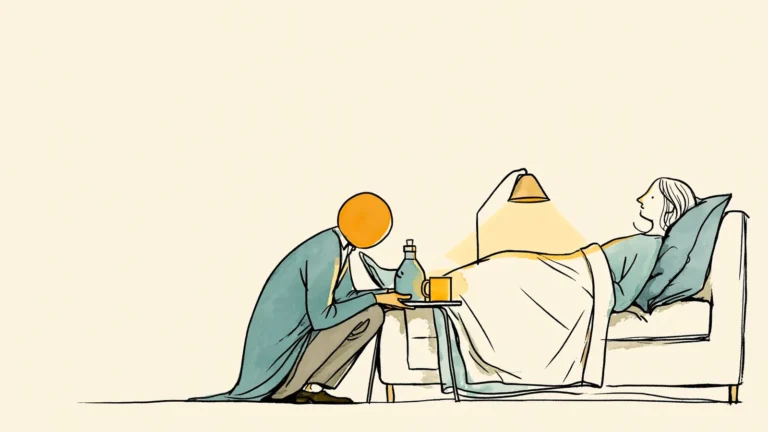
Make the world small and dark. Light and sound genuinely hurt during an attack, so close the blinds, kill the overhead light, turn off the TV, and bring her a cool cloth if she wants one. None of this is fussing. You’re removing the things that are actively making it worse.
Don’t make her perform “fine.” During a migraine, talking, deciding, and socializing all cost more than they’re worth. If she goes quiet and still, that’s the attack, not a withdrawal from you. The kindest thing is often to say “I’ve got everything, just rest” and mean it. If you tend to take that quiet personally, we wrote a whole piece on not reading her silence as a verdict on you.
Handle the logistics without being asked. Cancel the dinner. Feed the kids. Reschedule the thing. The mental load of running the evening is exactly what she can’t carry mid-attack, and taking it off her plate without a debrief is one of the most useful moves you have.
When this is a doctor’s job, not a guessing game
Showing up well at home is half of it. The other half is knowing when to nudge her toward real medical help, because menstrual migraines are treatable and she shouldn’t have to white-knuckle through them. If the attacks are frequent, disabling, getting worse over time, or shrugging off over-the-counter remedies, that’s a clinic conversation. There are genuine options, from prescription migraine medications called triptans to preventive strategies timed around the cycle, and the American Migraine Foundation and Cleveland Clinic both lay them out.
One thing is worth flagging plainly, because it’s a safety issue and not just a comfort one. If she gets migraine with aura, the visual-disturbance kind, doctors treat estrogen-containing birth control with real caution, since that combination is linked to a higher risk of stroke. A review in the Cleveland Clinic Journal of Medicine covers the reasoning. You’re not the one to make any call here, but if she has aura and is choosing or changing contraception, it’s a reason to make sure her doctor knows. That’s a real conversation, not a thing to guess at.
You can make the appointment more useful, too. If you’ve been keeping even a rough record of which days her head hurts against which days she bleeds, that’s exactly the kind of pattern a doctor wants to see. A couple of months of it can turn “I get bad headaches sometimes” into “they hit the two days before my period, every cycle,” which is a far easier thing for a clinician to act on.
The one thing to do this month
You don’t need to become a neurologist. Just start watching for the pattern. Next cycle, quietly mark the days her head hurts against the days she’s bleeding. Two or three months of that, and you’ll know when to dim the lights and clear the calendar before she has to ask. That’s the whole shift: from being surprised by it every month to seeing it coming and being ready.
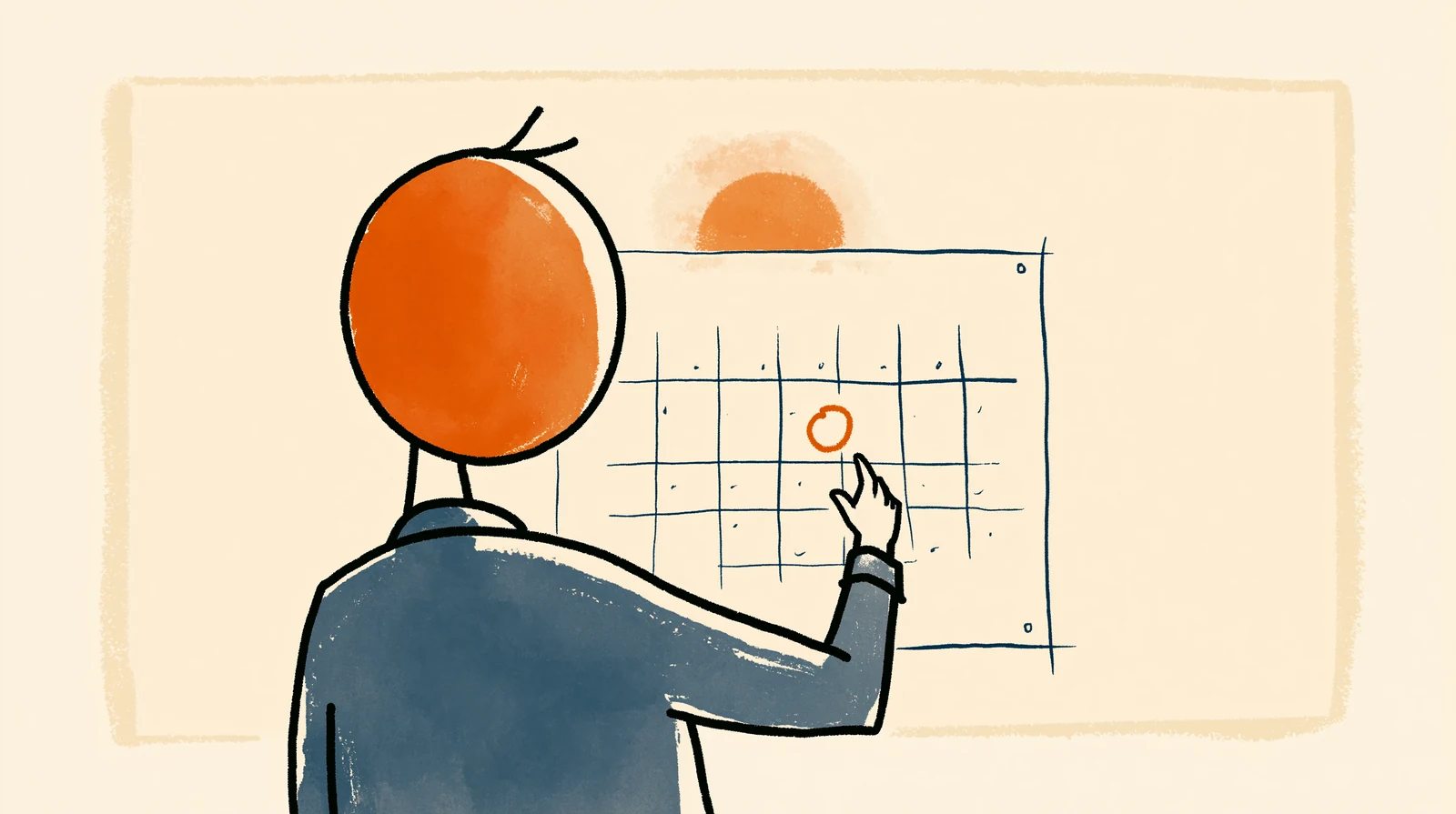
If keeping that record in your head feels like one more thing to drop, that’s the boring problem PeriodBro is built to solve. It quietly tracks where she is in her cycle and turns it into a heads-up, so the bad-headache window doesn’t catch you flat-footed.
This article is general information, not medical advice. Migraine can occasionally signal something more serious, and a sudden, severe, or “worst ever” headache deserves prompt medical attention. For diagnosis and treatment, she should talk with a qualified healthcare professional.