What Is Period Flu? Why She Feels Sick Before Her Period (And How to Help)
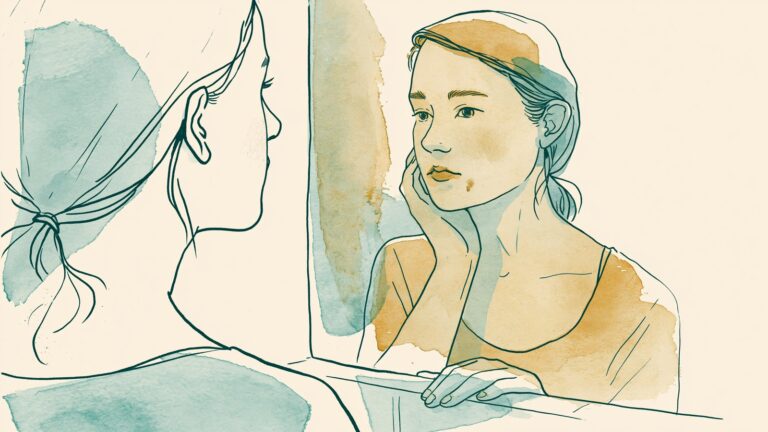
Three months in a row, my girlfriend told me she was coming down with something. Achy, exhausted, a little feverish, stomach off. Three months in a row, I offered soup and cold medicine. And three months in a row, her period started two days later and the “flu” was gone by the weekend.
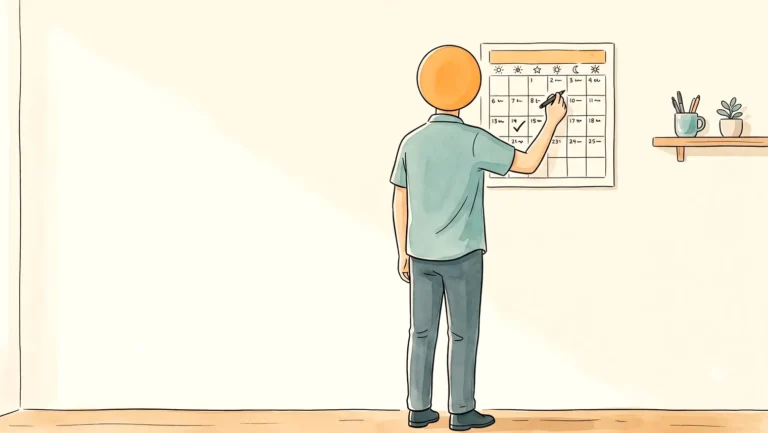
I finally looked at the calendar before either of us said it out loud. The “flu” was keeping perfect time with her cycle.
If you’ve watched the same thing happen to someone you love, there’s a name for it. An unofficial one, but a real one.
So what is period flu, exactly?
Period flu is the informal name for a cluster of flu-like symptoms that show up in the days before a period and sometimes through the first day or two of bleeding: body aches, fatigue, headache, chills, nausea, sometimes diarrhea and a low-grade raised temperature. According to the Cleveland Clinic, it’s not an actual flu and not an official medical diagnosis. It’s a form of PMS that happens to feel a lot like getting sick.

Two things in that sentence matter for you as a partner. First: period flu isn’t contagious, and it isn’t “just being dramatic.” The symptoms are physically real, with a documented biological mechanism behind them. Second: because it’s not an official diagnosis, plenty of people who have it have never heard the term. There’s a decent chance neither of you knew this had a name. I didn’t, and I’d already been tracking her cycle for months.
That gap matters more than it sounds. When something has no name, it’s easy to dismiss, in both directions. She wonders if she’s imagining it. You wonder if she’s run down, or stressed, or avoiding your cousin’s barbecue. A name turns a vague monthly mystery into something you can plan around.

What’s actually happening in her body
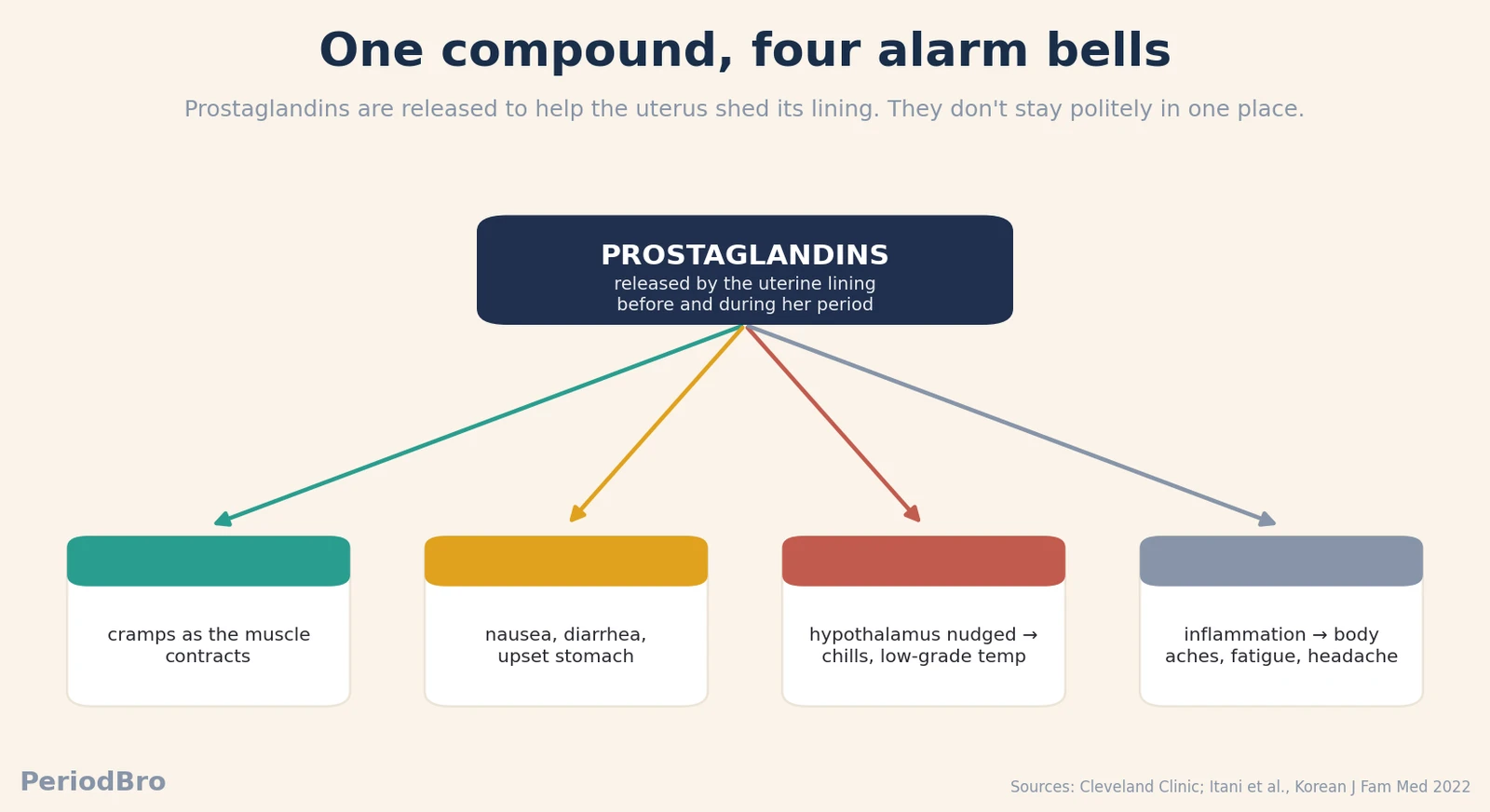
The main character here is a group of compounds called prostaglandins. Just before and during her period, cells in the lining of the uterus release them to make the uterus contract and shed its lining. That part is by design. The side effects are not.
Prostaglandins don’t stay politely in one place. When they circulate, they can act on smooth muscle in the gut, which is why research on menstrual pain lists nausea, vomiting, diarrhea, fatigue, headache and even low-grade fever among the systemic symptoms that can ride along with cramps. They can also nudge the hypothalamus, the part of the brain that runs body temperature, which is where the feverish, chilled feeling comes from. Prostaglandins are inflammatory by nature, so the all-over achiness is the same kind of feeling your body produces when it actually is fighting a virus. Different cause, same alarm bells.
Add the sharp drop in estrogen and progesterone at the end of the cycle, which on its own is linked to fatigue and headaches, and you get something that walks and talks like a mild flu without being one.
If you’ve read our piece on how hormones drive her mood, this is the physical edition of the same story. Same hormonal cliff at the end of the cycle, different set of symptoms.
This is more common than either of you think
Here’s the part that surprised me. In a study of healthy women published in BMC Women’s Health, 73% reported at least one gastrointestinal symptom before or during their period. Abdominal pain and diarrhea were the most common. Fatigue showed up in about half of respondents, both before and during menstruation.
Read that again: nearly three out of four. Not women with a diagnosed condition. Healthy women, in an ordinary month. The flu-like edge of the cycle is closer to the rule than the exception, and yet most of us were never taught it exists. We got one biology lesson about eggs, one awkward joke about chocolate, and that was the curriculum. Every month, search interest in period flu spikes, which tells you how many people are typing symptoms into their phone at 11 PM wondering what’s going on.
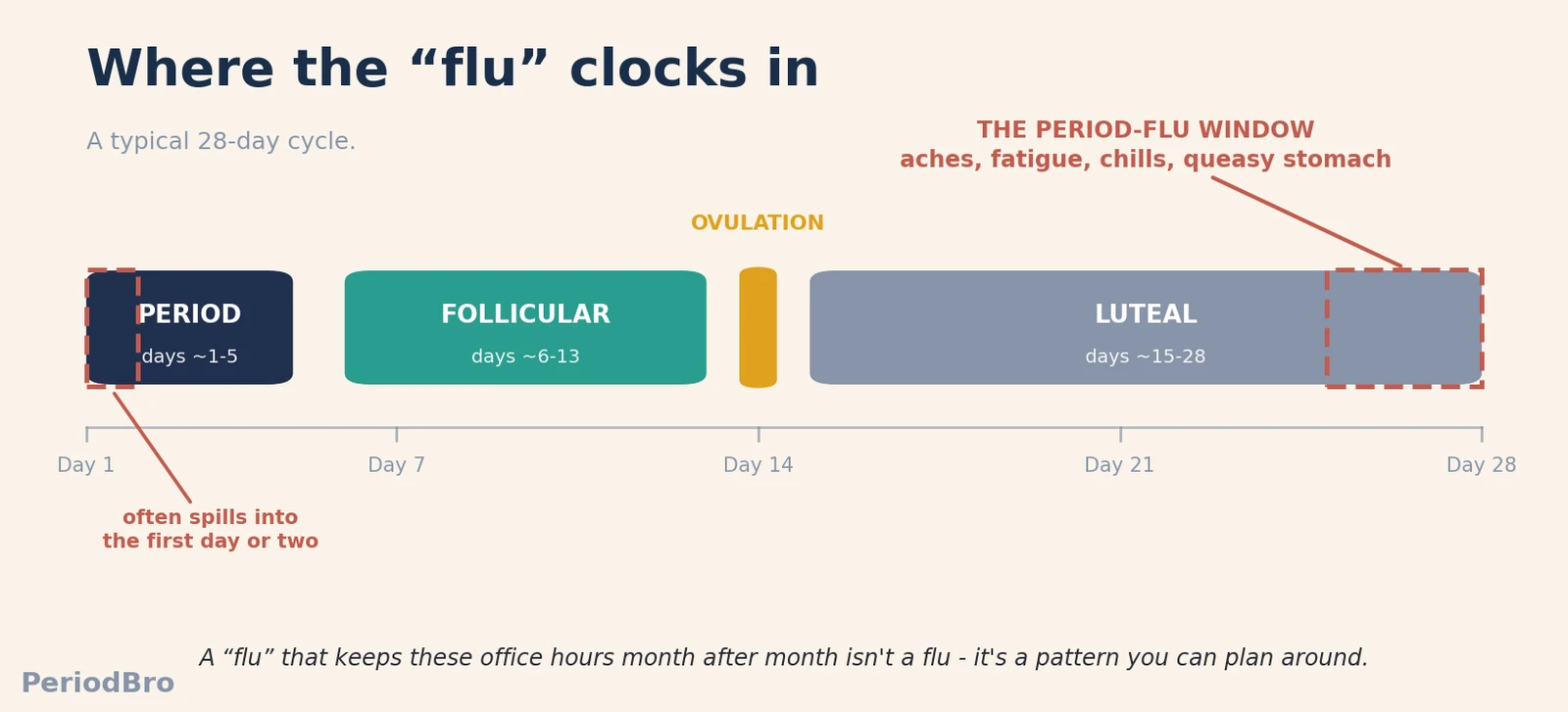
Timing-wise, this usually follows the PMS schedule. ACOG notes that premenstrual symptoms typically start in the days before bleeding and ease within a few days after the period begins. That’s the signature of period flu, and it’s also your tell: a “flu” that lifts once her period is underway, month after month, probably isn’t a flu.

What actually helps (and what your role is)
You can’t fix prostaglandins. You can make the window they own a lot less miserable.

The medicine cabinet. NSAIDs like ibuprofen work on period symptoms precisely because they dial down prostaglandin production, per the Cleveland Clinic. If she already uses them for her period, having the box where she doesn’t have to hunt for it is a small thing that lands. What to buy and how the options compare is its own topic, and we wrote it up in the pain relief buyer’s guide.
Heat, water, low-effort food. A hot water bottle for the aches. Actual water, especially if her stomach is off, because diarrhea and a raised temperature both dehydrate. Food that requires no decisions: toast, bananas, rice, the boring stuff you’d want when you have a real flu.
Protect her sleep. Fatigue is already doing half the damage in this window. Take the early morning with the kids or the dog, keep the evening quiet, and don’t schedule anything that requires her to perform. If sleep in this phase is a recurring battle in your house, we covered how sleep changes through her cycle separately.
Lower the bar on the calendar. If you know the window is coming, don’t book the dinner party in it. Pick up the errands she usually runs. The goal is simple: she shouldn’t have to host her own sick day.
Mind your mouth. “At least it’s not a real flu” is technically true and completely useless. So is any sentence that starts with “again?”. The line that works is shorter: “Sounds like the rough window. What do you want, tea or quiet?”
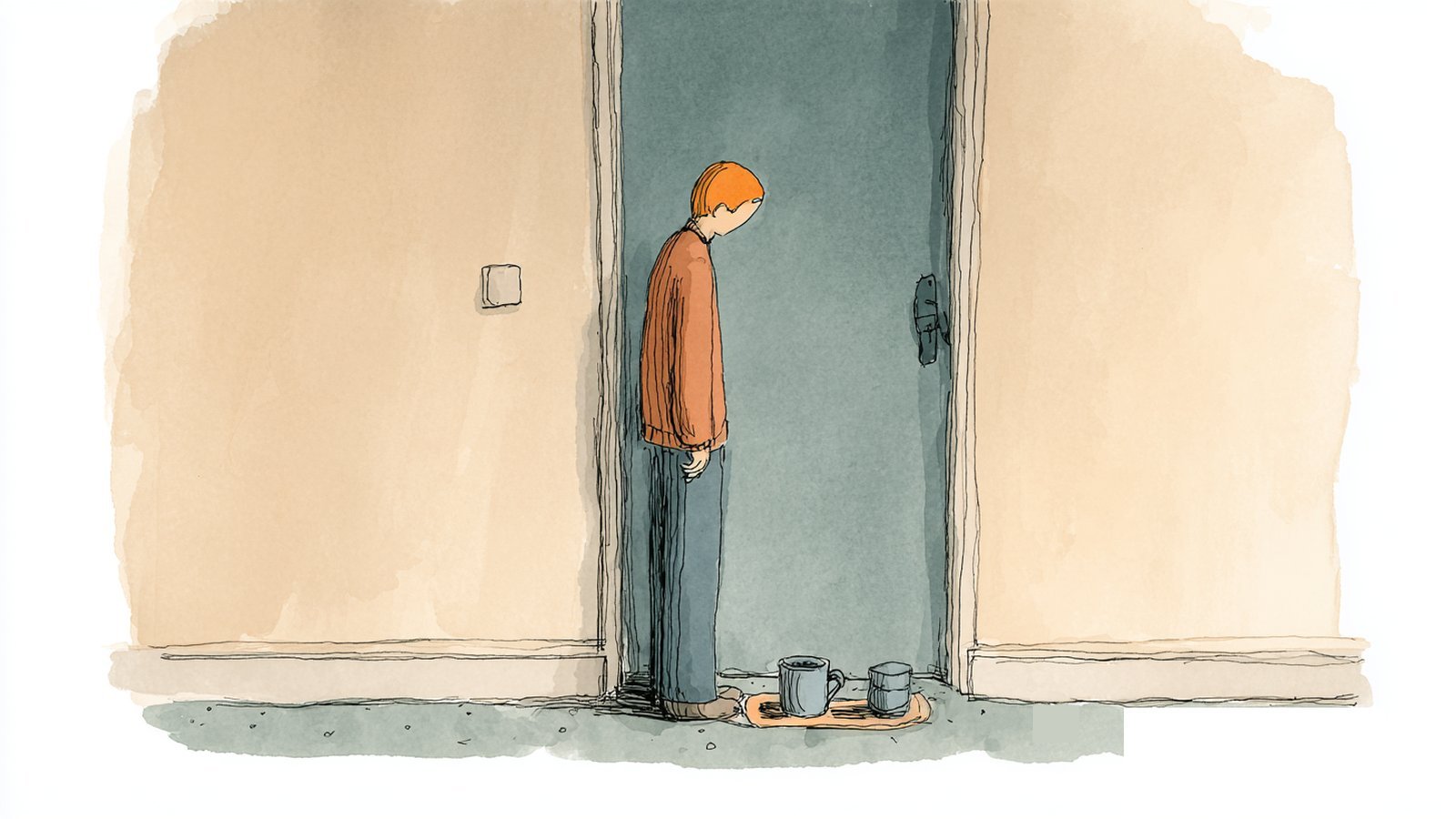
Show up without a speech. My best move in month four was a tray left outside the bathroom door: tea, hot water bottle, painkillers, her charger. No questions, no “are you okay?” every twenty minutes. She mentioned that tray for weeks.
When it’s more than period flu
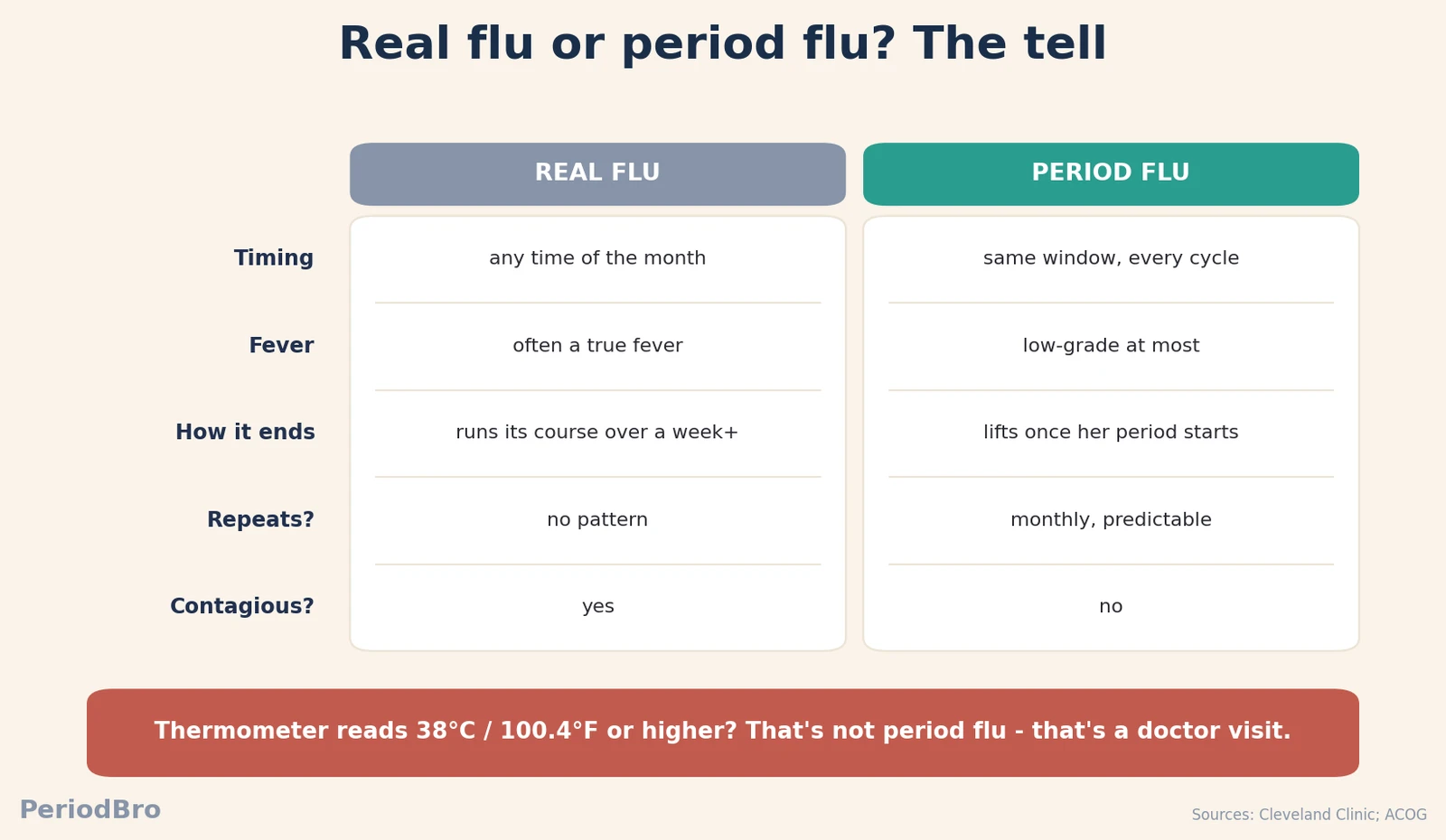
This is the caveat that matters, so I’ll be direct. Period flu is mild and it passes. Some things wear its costume and are not mild.
A real fever, the kind a thermometer confirms at 38°C / 100.4°F or higher, is not period flu. Neither is vomiting that won’t stop, pain that knocks her out of life for days, symptoms that get noticeably worse cycle after cycle, or “flu” feelings that never fully lift between periods. All of those deserve a doctor’s visit, not another month of toughing it out. Conditions like endometriosis can hide for years behind “bad periods.” And if the heaviest part of her premenstrual window is emotional, with despair or rage that disrupts her life every month, that’s the territory of PMDD, which is treatable and worth naming to a professional.
You’re not the diagnostician, and this article isn’t a diagnosis either. But you might be the person with the calendar, and “this has happened in the same window for five cycles, and it’s getting worse” is exactly the sentence that gets taken seriously in an exam room. If she decides to bring it up with her doctor, the dates you noticed are worth more than any article.
The calendar is the tell
Everything in this piece hangs on one skill: noticing the pattern. A random flu is bad luck. The same flu, every month, two days before her period, is information.
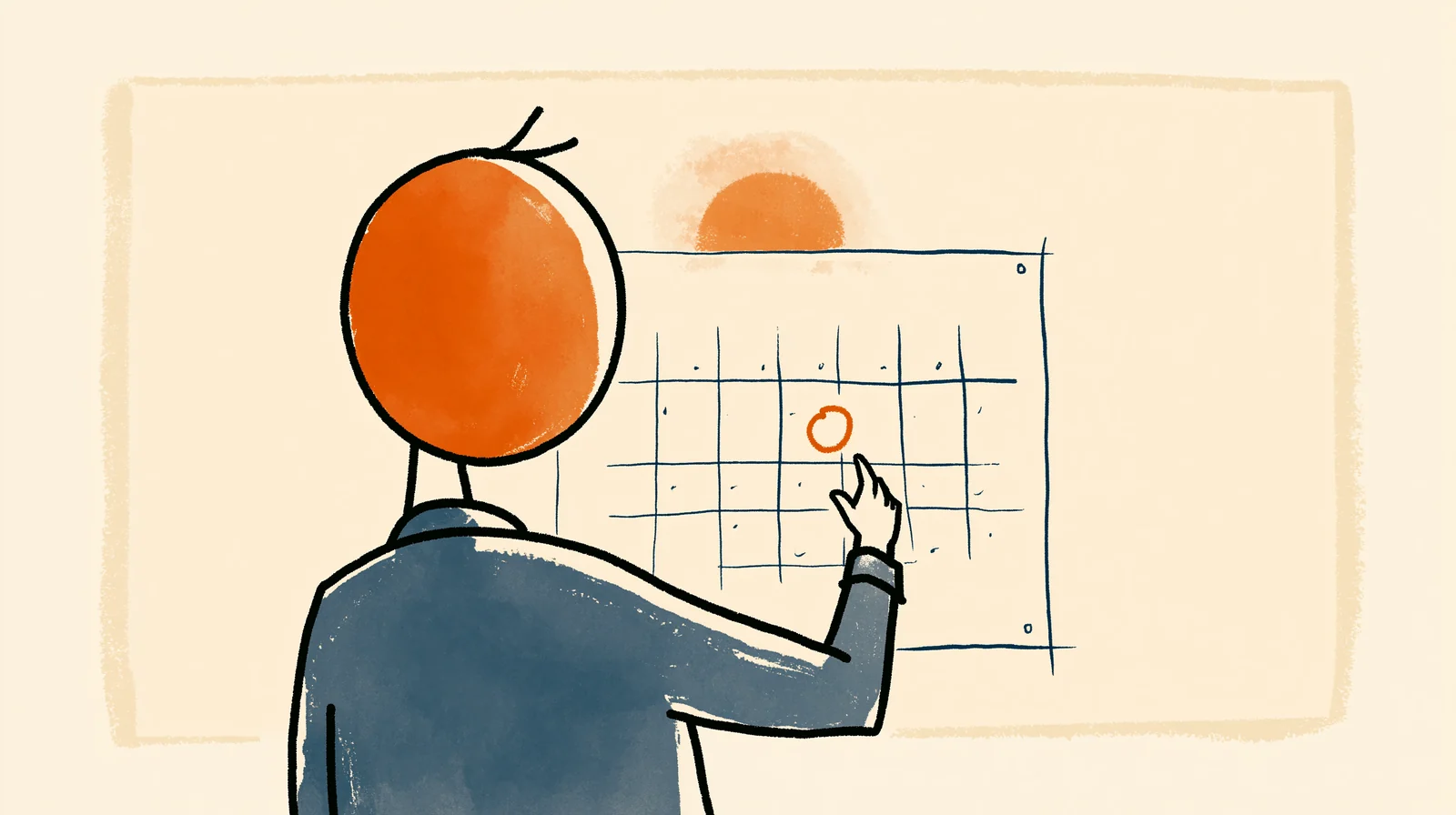
So here’s the one thing to do this month: when she says she feels like she’s coming down with something, note the date. Do it again next cycle. If the “flu” keeps clocking in right before her period and clocking out after it starts, you’ve found the pattern, and you can get ahead of it: the tray ready, the calendar clear, the ibuprofen findable. If you want a refresher on what the first days of bleeding are like from the inside, start with what the menstrual phase actually is.
I built PeriodBro because I kept discovering patterns like this one too late to be useful. The app watches the calendar so you don’t have to do the math in your head, and tells you when the window is coming. She gets a partner who quietly has the soup ready. You get to skip three months of offering cold medicine for a flu that was never a flu.