When Desire Drops: Low Libido Before Her Period, Explained
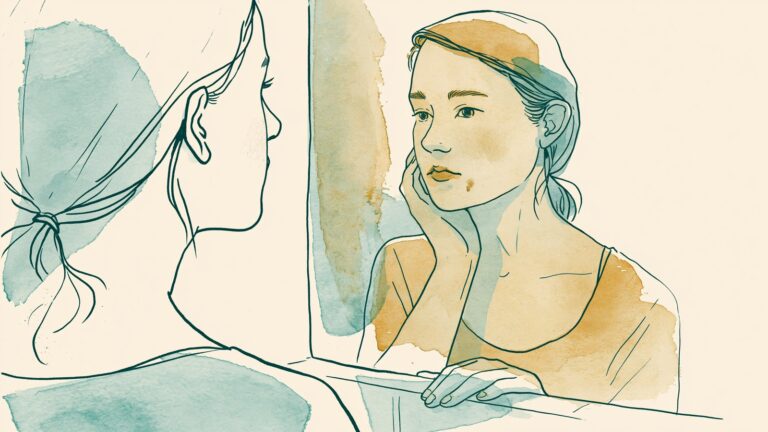
Somewhere in the week before her period, the temperature between you can drop. She’s less interested in sex, maybe less interested in being touched at all, and if you don’t know why, it’s easy to read it as a verdict on you or the relationship. It usually isn’t. Low libido before period is one of the most common and least talked-about parts of the cycle, and once you understand what’s driving it, you can stop taking it personally and start showing up in a way that actually helps.
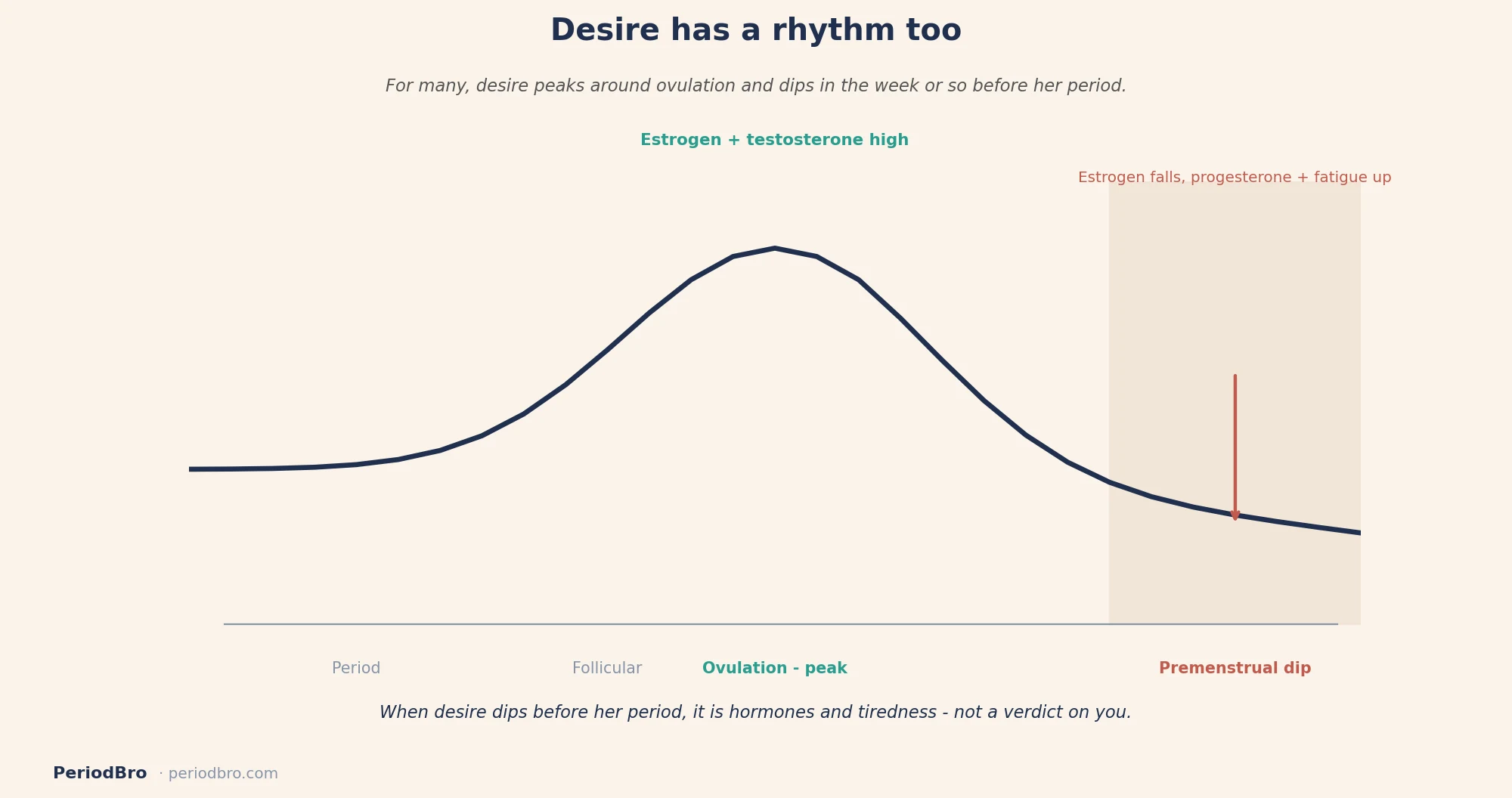
I’ll say the quiet part first, because it’s the thing that trips guys up: her desire has a rhythm, the same way her mood and energy do. It rises and falls on a schedule that has nothing to do with how attractive she finds you. Learn the schedule and a whole category of pointless hurt just goes away.
Why desire drops before her period
Desire runs largely on hormones, and three of them move against her in the back half of the cycle. Estrogen, which tends to lift libido, increase sensitivity, and support lubrication, drops in the premenstrual stretch, and as it falls those feelings can dim or disappear (Evelyn Health). At the same time progesterone rises through the luteal phase, and progesterone tends to dampen desire while cranking up fatigue and lethargy (Wisp).
Testosterone is the third piece. It peaks around ovulation, which is often when desire is highest, then falls away through the luteal phase, taking a chunk of her sex drive with it in the run-up to her period (Wisp). Stack all three together and the premenstrual dip isn’t a mystery. It’s three hormonal levers moving the same direction at once.

It’s not just hormones, it’s the whole package
Hormones set the stage, but the late luteal phase also brings the rest of PMS along for the ride. Cramps, bloating, sore breasts, low mood, and plain exhaustion are not exactly an invitation to feel sexy. When someone is achy and running on empty, desire is usually the first thing to switch off, and that’s true for anyone, cycle or not.
There’s also a documented link between more serious premenstrual symptoms and sexual function. Researchers looking at PMDD, the severe end of premenstrual disorders, have described a real overlap with female sexual difficulties in the luteal window (PMC review on PMDD and sexual function). So if her premenstrual weeks are especially rough, the drop in desire can be steeper too. If you’re still getting your head around the luteal phase in general, our plain-English luteal phase explainer is a good companion to this.
What this means for you (and what it doesn’t)
The single most useful thing to hold onto: the dip is about her chemistry and her tiredness, not about you. She hasn’t gone off you. Her body has turned the dial down for a week or so, and it will turn back up, often climbing again as she moves toward ovulation. Taking the low week as rejection is the fastest way to turn a hormonal lull into an actual relationship problem, because now she’s managing your hurt feelings on top of her own cramps.
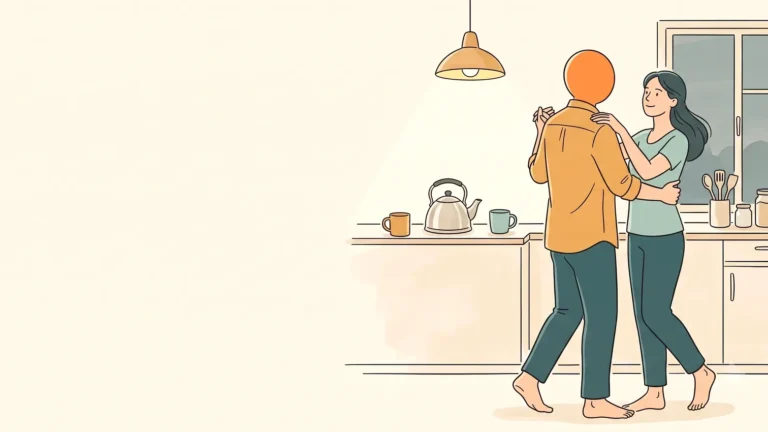
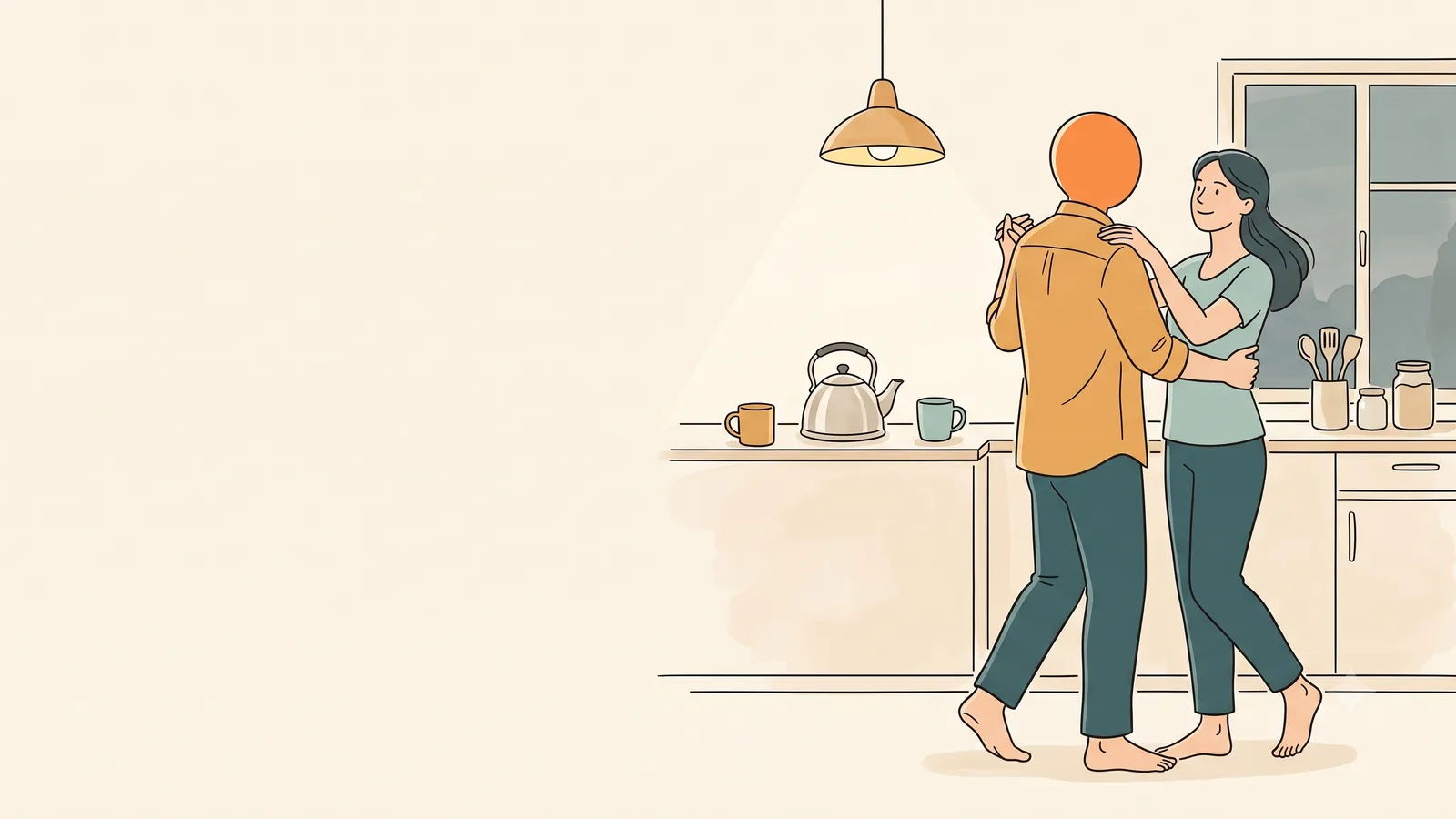
It also doesn’t mean intimacy disappears. Desire for sex and desire for closeness aren’t the same thing. Plenty of people want to be held, to be near, to feel wanted, exactly during the week they don’t want sex. If you can separate those two, you’ll get the second one even when the first is offline, and that closeness is what carries the relationship through the dip.

How to show up when her desire dips
The goal isn’t to “get it back.” Chasing it is exactly what backfires. The goal is to keep her feeling wanted with zero pressure, so that when her body does come back around, she’s coming back to warmth, not to a week of being sulked at.
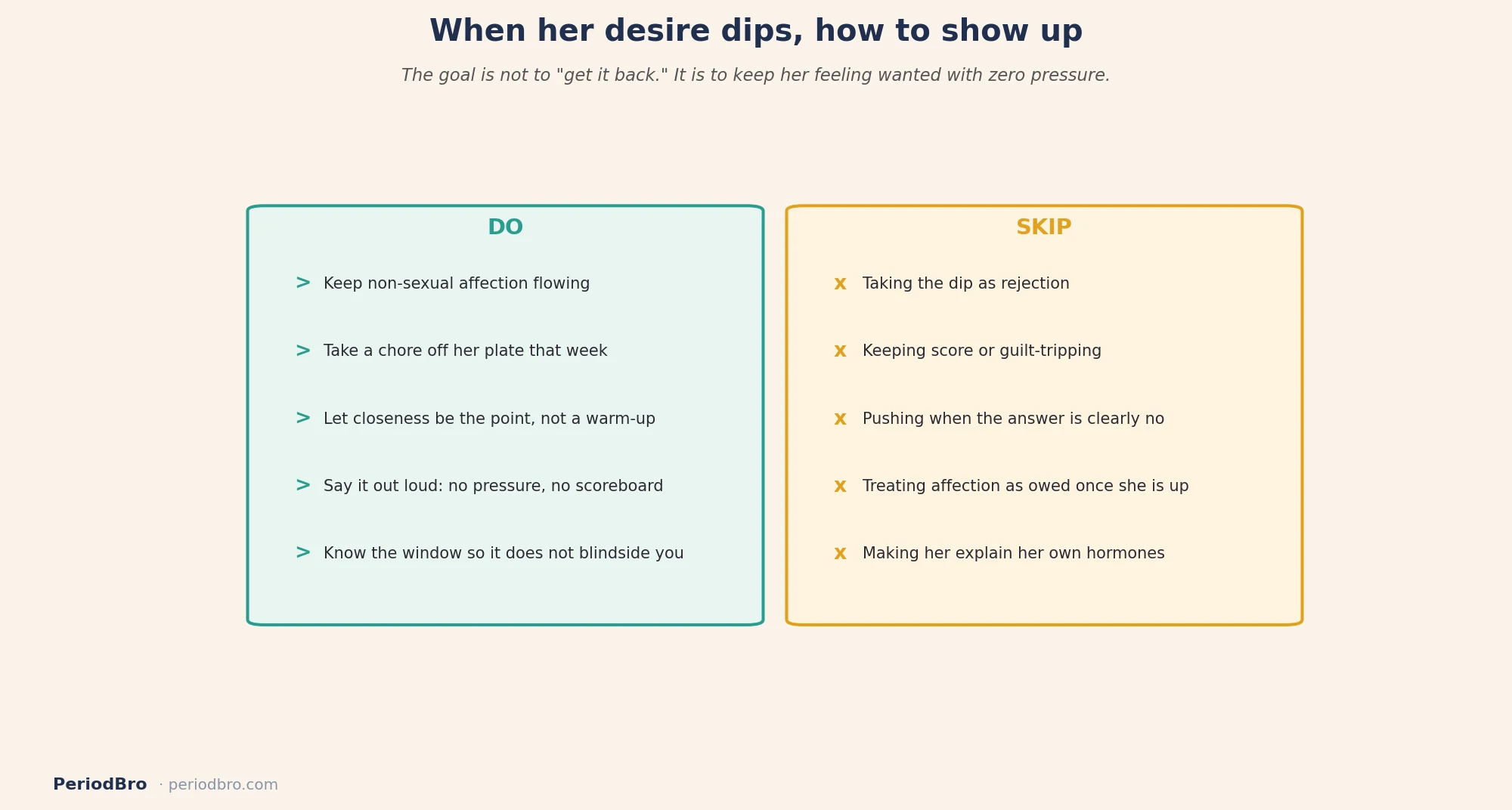
In practice that means keeping non-sexual affection flowing, a hand on the back, a real hug, sitting close, so touch doesn’t become a thing that only ever means one thing. It means taking a chore off her plate that week, because exhaustion is half the story and lightening the load does more for desire than any move you could make. And it means saying the pressure-off part out loud: “I’m not keeping score, I just like being near you.” Then meaning it.
What to skip is the mirror image. Don’t push when the answer’s clearly no. Don’t guilt-trip or go cold. Don’t treat affection as something she owes you once she’s back in the mood. And don’t make her explain her own hormones to you in the moment. If you want the fuller playbook on sex and the cycle, including the up weeks, we go deeper in our guide to sex and her period for partners.
When low desire is worth a closer look
A cyclical dip that tracks the calendar and lifts after her period is normal. What’s worth paying attention to is desire that’s low all the time, not just premenstrually, or a sudden drop that doesn’t follow the usual pattern, since those can point to things like stress, thyroid issues, medication side effects, relationship strain, or a hormonal imbalance worth checking. That’s a conversation for her and a doctor, not something to diagnose from the outside. Your job is to notice the pattern with her, not to hand her a theory.
Common questions partners ask
Is it normal for her to not want sex before her period? Very. The premenstrual drop in estrogen and testosterone, plus rising progesterone and the tiredness and aches of PMS, all pull desire down at once. For a lot of people it’s the lowest-desire stretch of the whole month, and it’s completely ordinary.
Will her sex drive come back after her period? Usually, yes. As the new cycle gets going and estrogen and testosterone climb back toward ovulation, desire tends to return and often peaks. The dip is a phase, not a new normal, which is exactly why taking it personally makes so little sense.
Should I bring it up, or leave it alone? Bring it up gently, outside the low week, and frame it as curiosity, not complaint. Something like “I’ve noticed there’s a stretch each month where you’re wiped out, and I’d rather support you through it than misread it.” That’s a very different conversation from “why don’t you want me anymore.”
Here’s the reframe that makes all of this easier. Desire isn’t a flat line she either has or doesn’t. It’s a wave, high around ovulation, lower before her period, and it comes back. When you know the wave, the low week stops feeling like a door closing and starts feeling like a season you can be gentle through. Track it together, take the pressure off, and let closeness carry the weeks when sex isn’t on the table. That’s not settling. That’s how the good weeks get better.

This article is general information for partners, not medical advice. Persistent low libido or a sudden change can have many causes and is worth discussing with a qualified clinician.