Living With a Partner Who Has PMDD: A Real Guide
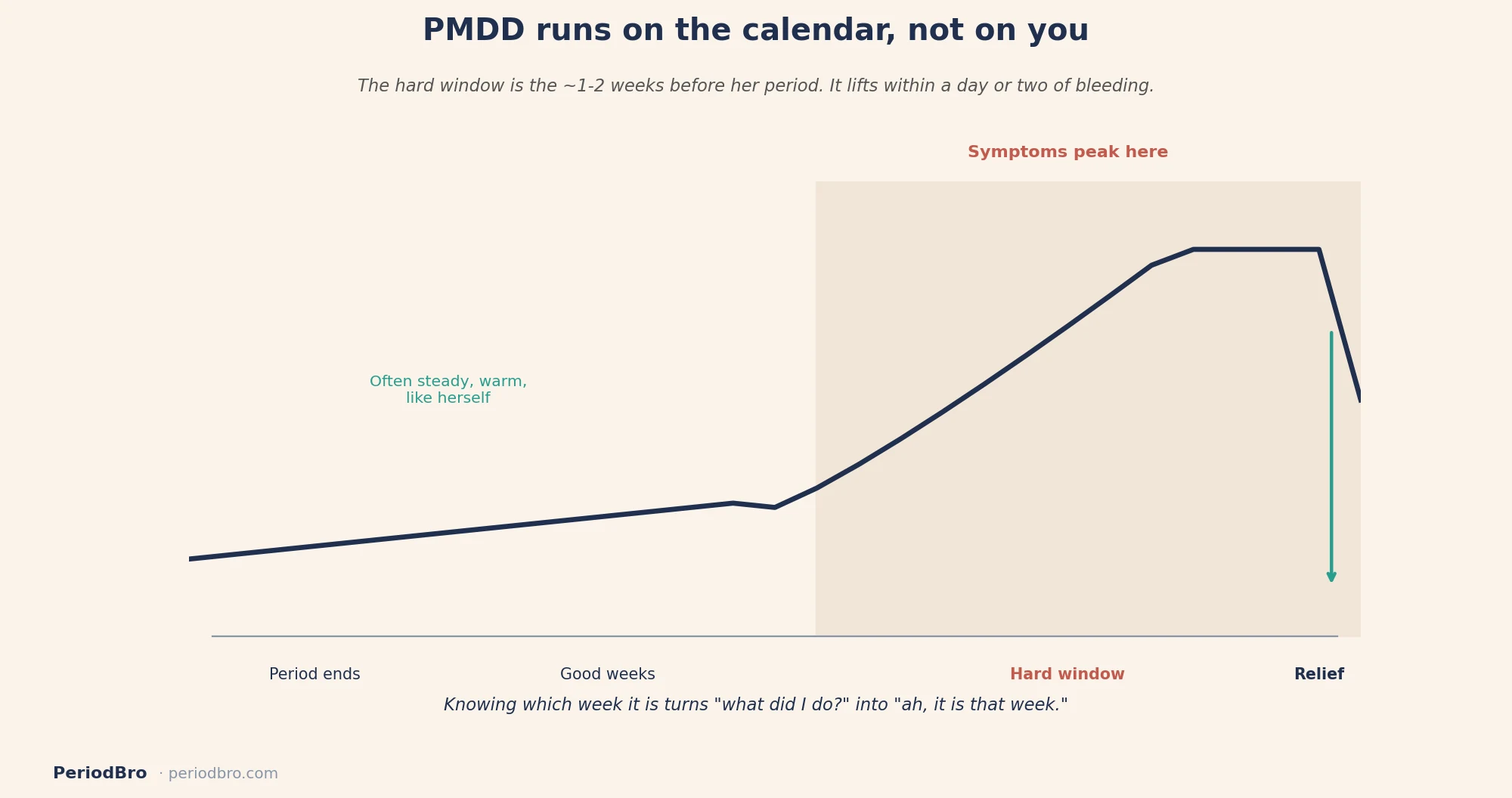
If you love someone with PMDD, you already know the strange arithmetic of it. For about two weeks a month she’s herself: warm, funny, the person you fell for. Then, on a schedule you could almost set a clock by, a different weather system rolls in. Short fuse, deep lows, a sense that you can’t say anything right. And then her period starts and, within a day or two, the fog lifts and she’s back. Living with that pattern, month after month, is its own quiet skill, and nobody hands you the manual.
So here’s the manual, or the start of one: what the pattern actually is, how to support her, and how to do it without slowly grinding yourself down in the process.
What living with PMDD actually looks like
Premenstrual dysphoric disorder is not “bad PMS,” even though it gets waved off that way. It’s a recognized condition in the DSM-5, and diagnosing it properly means tracking symptoms across at least two cycles and seeing at least five hit hard in the week or so before her period: marked mood swings, irritability or anger, depression, anxiety, loss of interest, trouble concentrating, changes in sleep and appetite (MGH Center for Women’s Mental Health). It affects an estimated 1 to 3 percent of women of reproductive age, with some studies putting it higher (Cleveland Clinic).
The part that trips up partners is the timing. Because the symptoms track the luteal phase, the second half of her cycle, they arrive and leave on cue. That’s the tell that separates PMDD from something running all month long. If you’ve never mapped how the cycle works, our menstrual cycle phases explained for men lays out the four phases and where this hard window sits.
Living with a partner with PMDD means living by the calendar
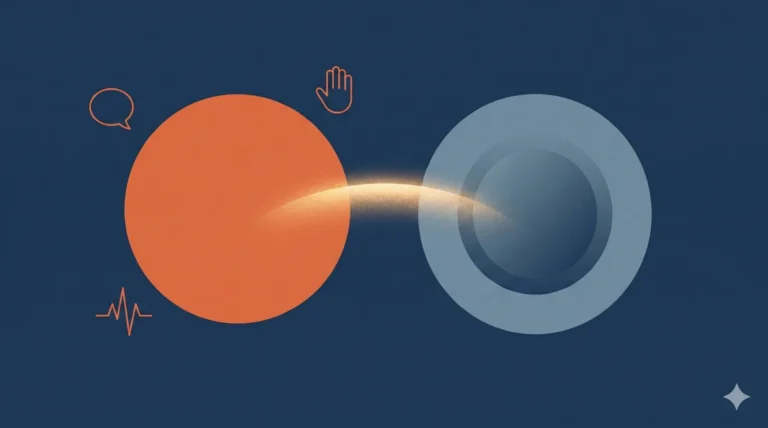
The single most useful shift you can make is to stop reading each rough evening as a referendum on your relationship and start reading it against the calendar. It’s not that her feelings aren’t real in that hard week. They are, painfully so. It’s that the intensity is being cranked up by her biology, and it will come down. Knowing you’re on day 24, not falling out of love, changes how you carry it.
This isn’t about excusing everything or treating her like a set of symptoms. It’s about not taking the sharpest words as the whole, permanent truth of what she thinks of you. A lot of the day-to-day of living with a partner with PMDD is exactly this: quietly clocking where she is in the month, lowering the load before the hard days hit, and not lighting a match when she’s already running hot. If you want the mechanism behind the mood, we break down how hormones drive her mood across the cycle.
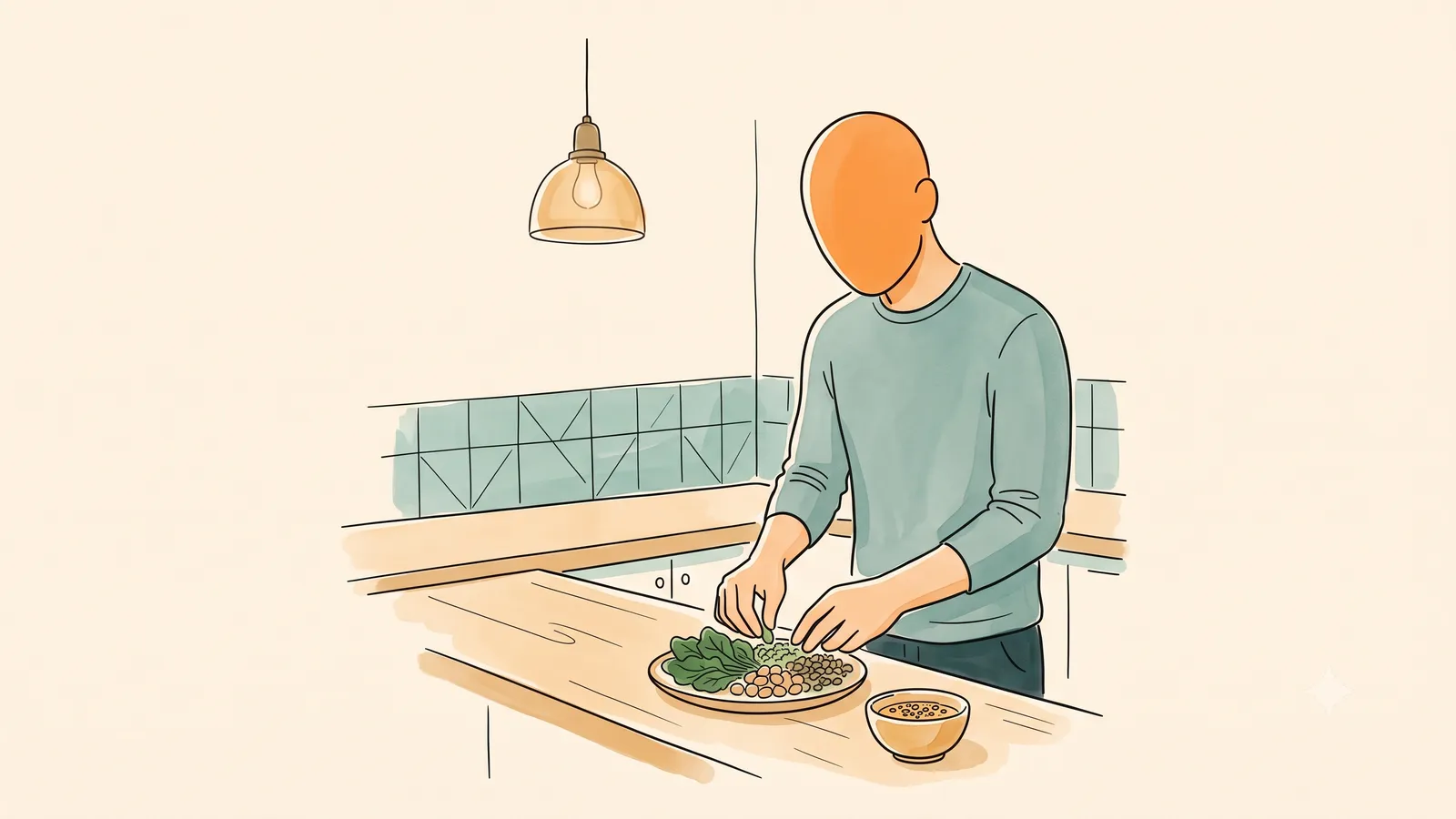
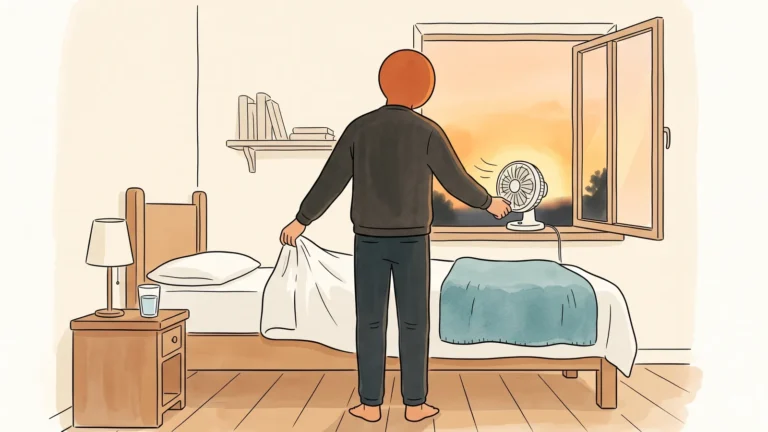
Practically, that looks small and unglamorous. Handling dinner without being asked in the back half of her cycle. Protecting her sleep. Not scheduling the big emotional conversation for day 25. Being the steady thing in the room when she snaps, instead of matching her intensity. When the anger spikes specifically, we’ve written a whole piece on what’s happening when the irritability hits and how to respond.
How to support her without losing yourself
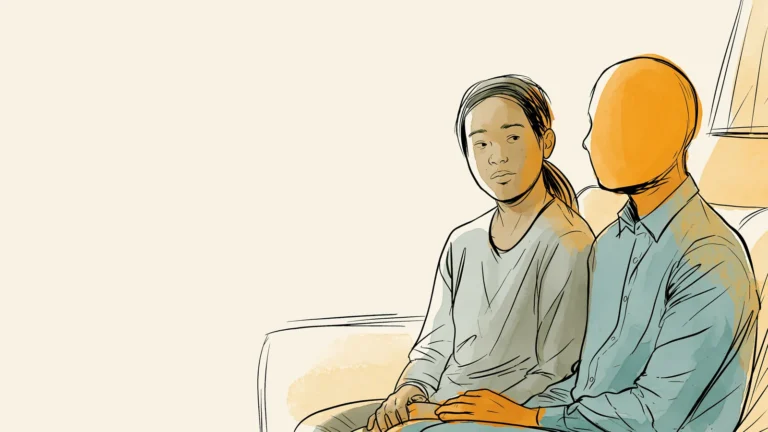
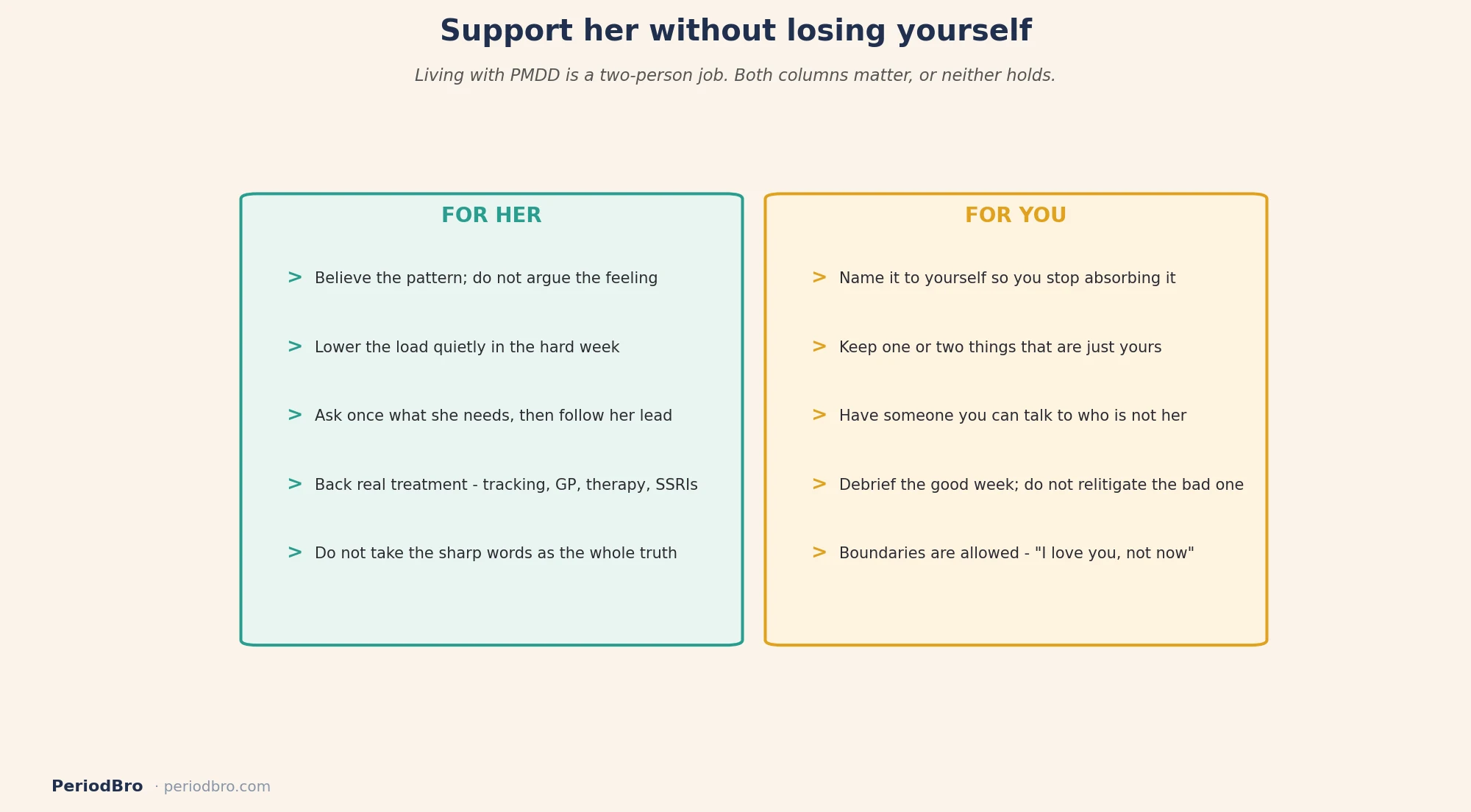
Here’s the part the supportive-boyfriend articles usually skip: living with PMDD is a two-person job, and if you burn yourself out, the whole thing collapses. You are allowed to be tired. You’re allowed to find the hard weeks hard. Absorbing everything silently and calling it love is not sustainable, and it isn’t actually good for her either.
So run both columns at once. For her: believe the pattern, lower the load, ask once what she needs and then follow her lead, back real treatment. For you: name what’s happening so you stop taking it personally, keep one or two things in your life that are just yours, have someone to talk to who isn’t her, and remember that boundaries are allowed. “I love you, and I’m not going to keep arguing at midnight” is a complete sentence. When she needs room, giving it cleanly is a skill in itself, and we cover it in how to give her space.

The good weeks are part of the work too
It’s easy to spend all your energy bracing for the hard window and treat the good weeks as just a break. Don’t. The steady stretch is where you actually build the relationship that has to carry the harder days. It’s when you have the real conversations, sort out the practical stuff, agree on a plan for next month, and simply enjoy each other so there’s a full tank to draw on later.
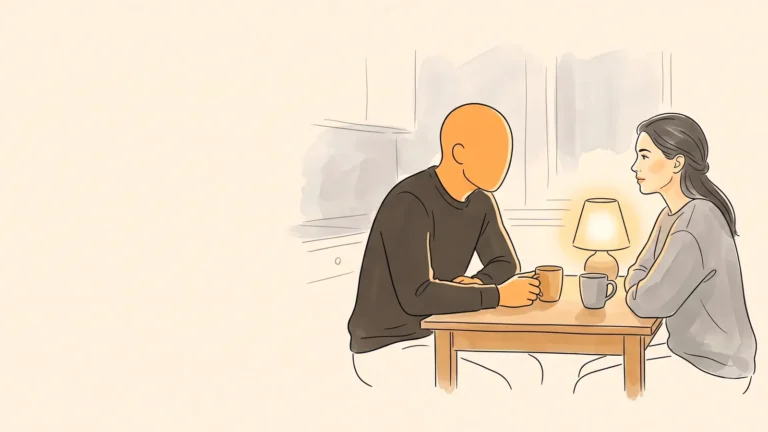
A lot of couples living with PMDD find it helps to talk, gently, during a good week about what the hard week needs. Not as a post-mortem or a list of grievances, but as teammates: what helped last time, what made it worse, what she’d want you to do or not do when she’s in it. Those calm-week agreements are worth more than anything you’ll figure out in the middle of a bad night. If the hard weeks have been fueling the same fights on repeat, it’s often because the real conversation keeps happening at the worst possible moment; moving it to a good day changes everything.
What actually helps: this is treatable
The most important thing to hold onto is that PMDD responds to treatment. It is not something you two just have to white-knuckle forever. Prospective symptom tracking, where she logs how she feels daily across a couple of cycles, is both how it gets diagnosed and how she and her doctor find the pattern to work with. That’s the foundation everything else builds on.
On the medical side, SSRIs are considered the first-line treatment, and unlike with depression they often work quickly and can be taken either continuously or only during the luteal phase (a 2022 scoping review in the Journal of Clinical Medicine). Hormonal options, cognitive behavioral therapy, and lifestyle levers like sleep and exercise all have a place too. The mechanism researchers point to is a sensitivity to the normal rise and fall of allopregnanolone, a progesterone byproduct that usually calms the brain but appears to destabilize mood in people with PMDD (Frontiers in Psychiatry, 2023). You don’t need to memorize any of that. You just need to know it’s real, it’s not her fault, and there’s a path. Your job is to back her in getting proper care, not to become her doctor. If you’re still sorting out whether this is PMDD or ordinary PMS, start with the difference between PMS and PMDD.
When it’s more than a hard week
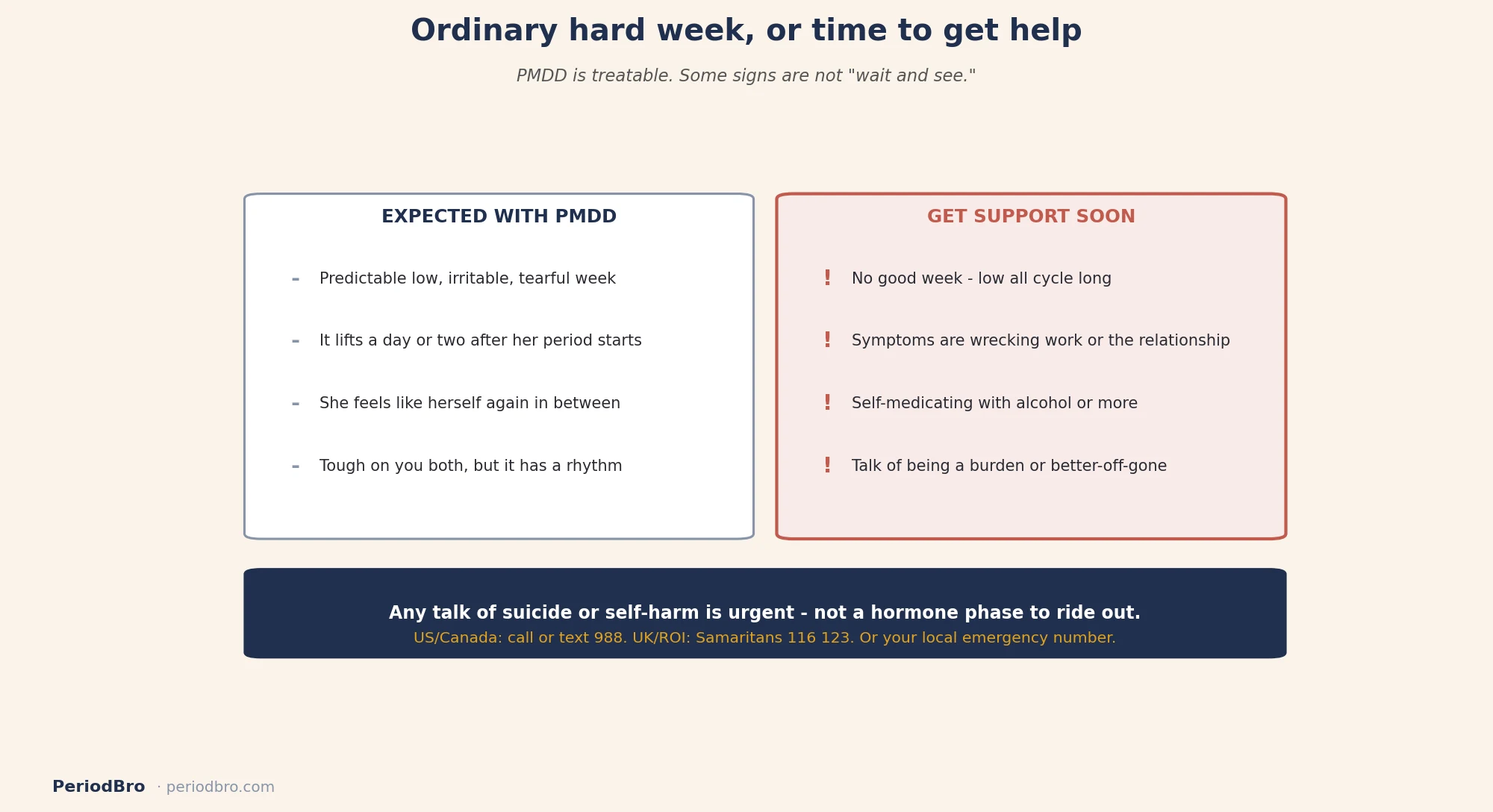
Most of living with PMDD is the predictable rhythm: a low, irritable, tearful stretch that lifts once her period starts, and a real her in between. But some signs are not “wait and see,” and as her partner you’re often the first to spot them. If there’s no good week at all, if the symptoms are wrecking her work or the relationship, or if she’s self-medicating to cope, it’s time to push gently but firmly toward help.
And you need to know this clearly: PMDD carries a serious, well-documented risk of suicidal thoughts. In a global study of nearly 600 people with confirmed PMDD, the lifetime rate of passive suicidal ideation was around 79 percent and roughly 28 percent had attempted suicide (BMC Psychiatry, 2022). Any talk of self-harm, of being a burden, or of everyone being better off without her is urgent. It is not a hormone phase to ride out. Take it seriously in the moment, help her reach a professional, and in a crisis contact emergency services. In the US and Canada you can call or text 988; in the UK and Ireland, Samaritans is 116 123.
Living with a partner who has PMDD asks a lot of you: patience on the hard days, memory of who she is on the good ones, and the honesty to look after yourself so you can keep showing up. Do the boring, steady work of knowing where she is in the month, and a lot of what used to feel like chaos starts to feel like weather you can see coming. When you can’t fix the feeling itself, being supportive without trying to fix it is usually the thing she needed anyway.
This article is general information, not medical advice, and PMDD is a serious condition that needs a qualified professional to diagnose and treat. If you or your partner are struggling with thoughts of self-harm, please reach out to a doctor or a crisis line right away. In the US and Canada, call or text 988; in the UK and Ireland, call Samaritans on 116 123.