Physical Touch During Her Period: Why It Changes and How to Ask
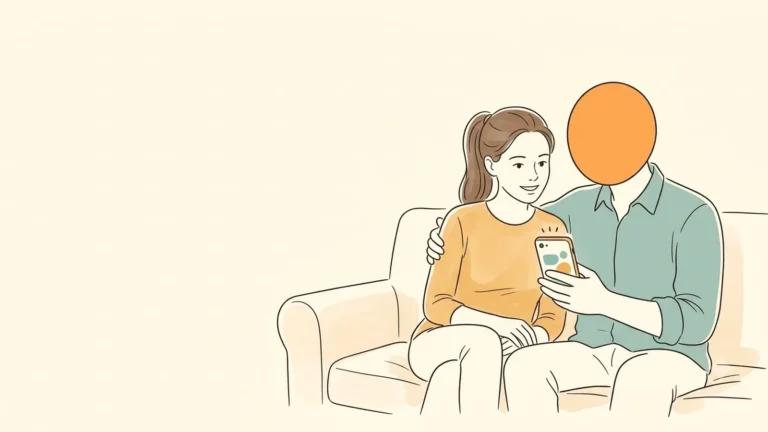
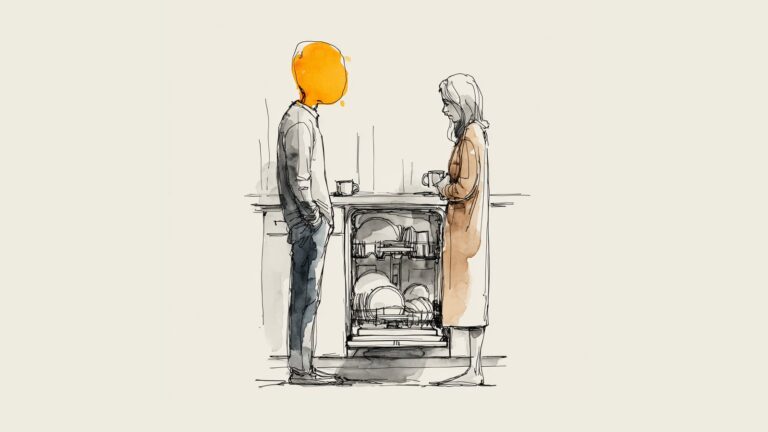
For years my habit was to walk into the kitchen and wrap my arms around my girlfriend from behind, hands landing somewhere around her stomach. Most days she leaned back into it. A couple of days a month she went stiff and said “not now” in a voice that made me feel like I’d done something wrong. I hadn’t, exactly. I just didn’t know that physical touch during her period could feel completely different to her than the same hug a week earlier.
If your partner sometimes pulls away from a hug, a hand on the waist or cuddling in bed around her period, it’s rarely about you. This piece covers why touch can change across the cycle, which kinds tend to help and which tend to grate, and how to ask without making it awkward.
Why physical touch during her period can feel different
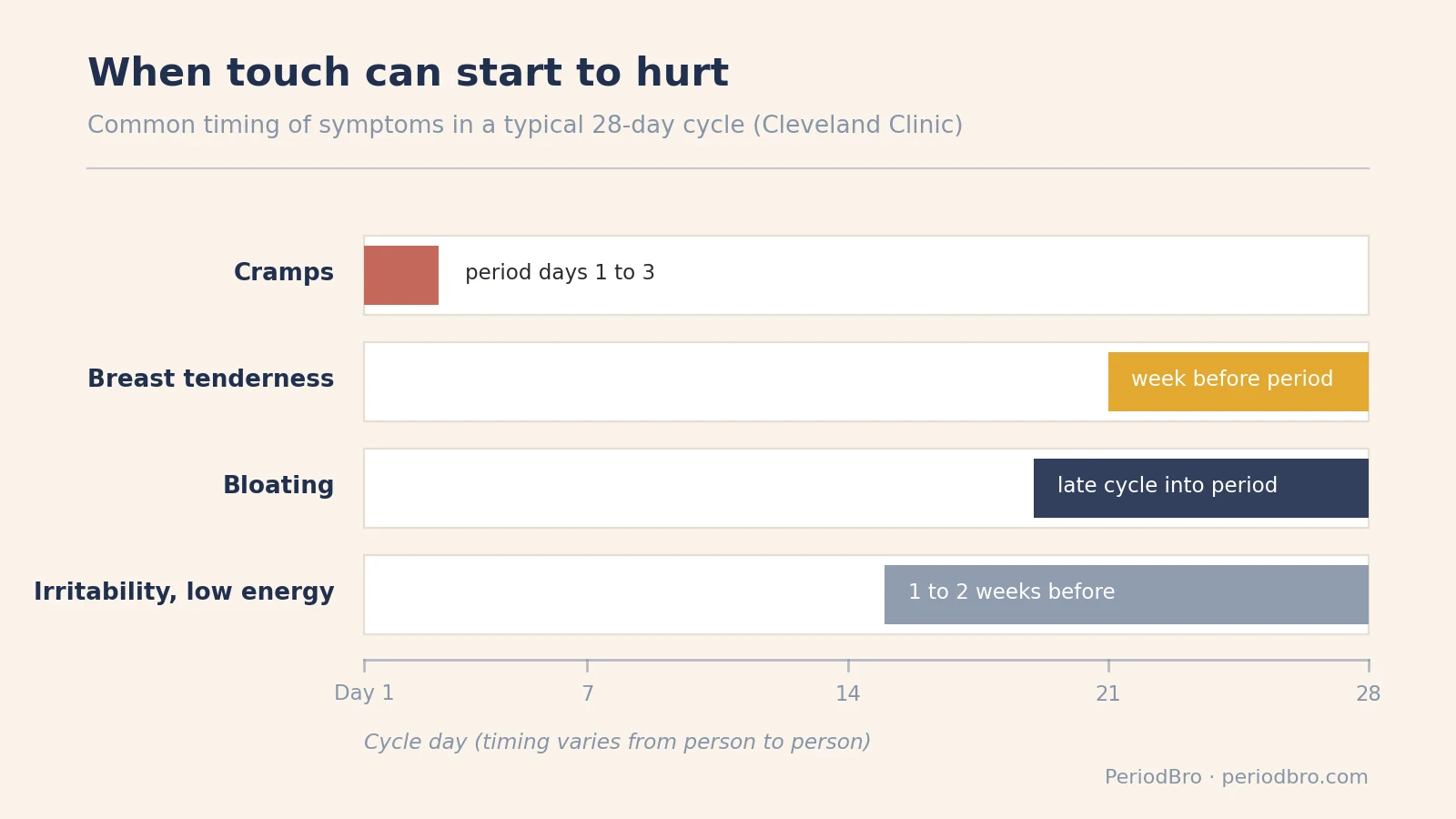
The plain explanation is that parts of her body hurt or feel swollen. Cleveland Clinic lists breast tenderness, bloating, headaches and cramps among the most common premenstrual and period symptoms, along with irritability and mood swings, usually starting one to two weeks before bleeding (Cleveland Clinic). Most people who menstruate get at least one of these.
Breast pain is a big one. Cyclical breast pain typically shows up about a week before the period, often in the upper outer part of both breasts, and fades once bleeding starts (Cleveland Clinic). A hug that presses her chest against yours, or a playful grab, can hurt in a way it wouldn’t on day ten. Our guide to sore breasts before her period goes into the details.
The belly is the other sore spot. Bloating makes the waistband feel tight and the stomach feel tender, so the classic hands-on-the-stomach hug from behind lands right on the area that feels worst. If bloating is a regular visitor, period bloating explains what’s going on.
Pain sensitivity is part of it too
There’s research suggesting that people with painful periods may be more sensitive to pain in general, beyond the days of the period itself. In small studies by Iacovides and colleagues, women with severe period pain reacted more strongly to experimental muscle pain in the lower back and the forearm, across different phases of the cycle, than women without period pain (SRI International). The studies were small, and a 2023 review notes that results in this area are mixed and depend a lot on how pain is tested (Frontiers in Neuroscience).
What you can take from it: if her periods are painful, her body may be running with the volume turned up. Firm squeezes, tickling or rough play that are fine on other days can feel like too much, and that has nothing to do with how she feels about you.
Being touched out
Then there’s the less physical side. Cramps, poor sleep and low energy leave some people feeling like their body has had enough input for the day. Parents of small kids know this feeling as being “touched out.” Add a period to a day of being climbed on, sat on or bumped into at work, and the last thing she may want is another person in her space, even one she loves.
From where you’re standing that can look like rejection, which is why it helps to know the pattern. If you’ve ever wondered whether she’s annoyed with you or just having a rough day, is she mad at me or is it her period covers how to tell the difference without asking that exact question out loud.

Touch that often helps, and touch that often doesn’t
Plenty of people want more closeness on their period. Warmth and steady pressure on the lower back or belly help a lot of people with cramps, and there’s some evidence for massage. A 2024 review of 32 randomized trials looked at hands-on manual therapy for period pain and found it may ease pain in the short term, though the authors rated the trials as low quality (Journal of Pain Research). If she’s into it, our guide on how to massage period cramps shows where and how hard.
The patterns that come up again and again in couples:
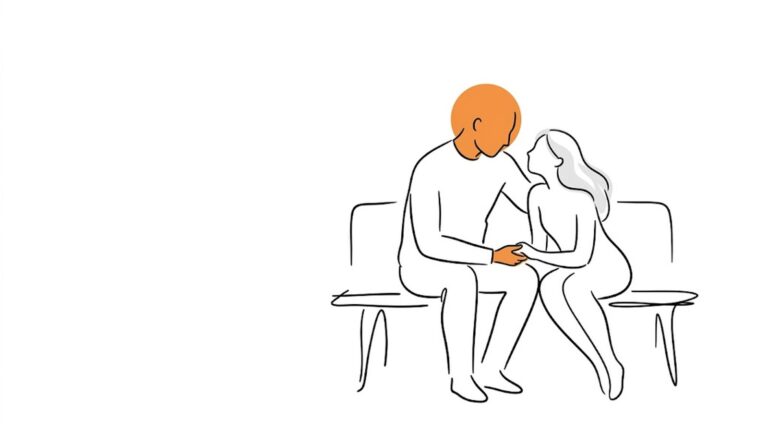
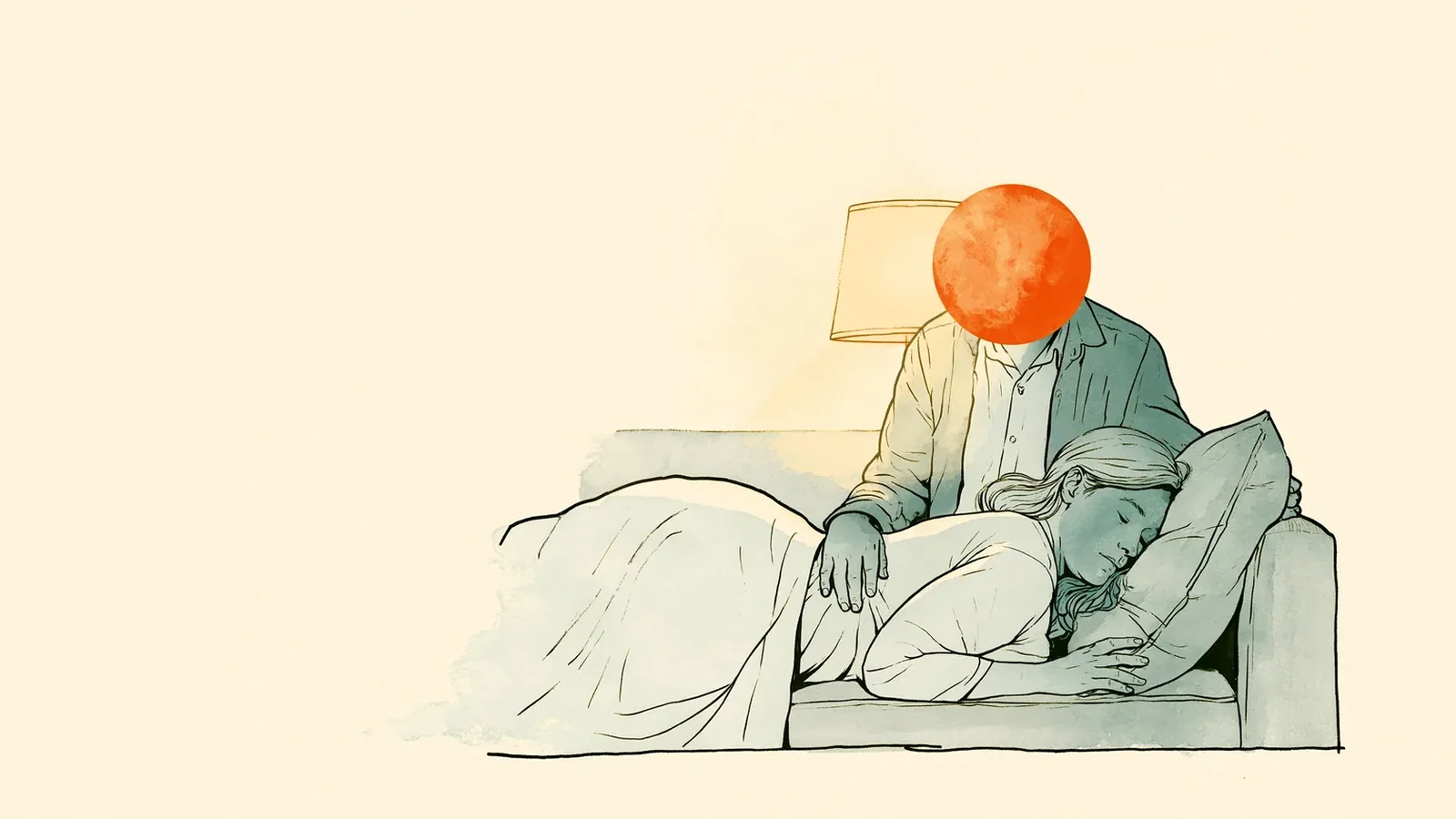
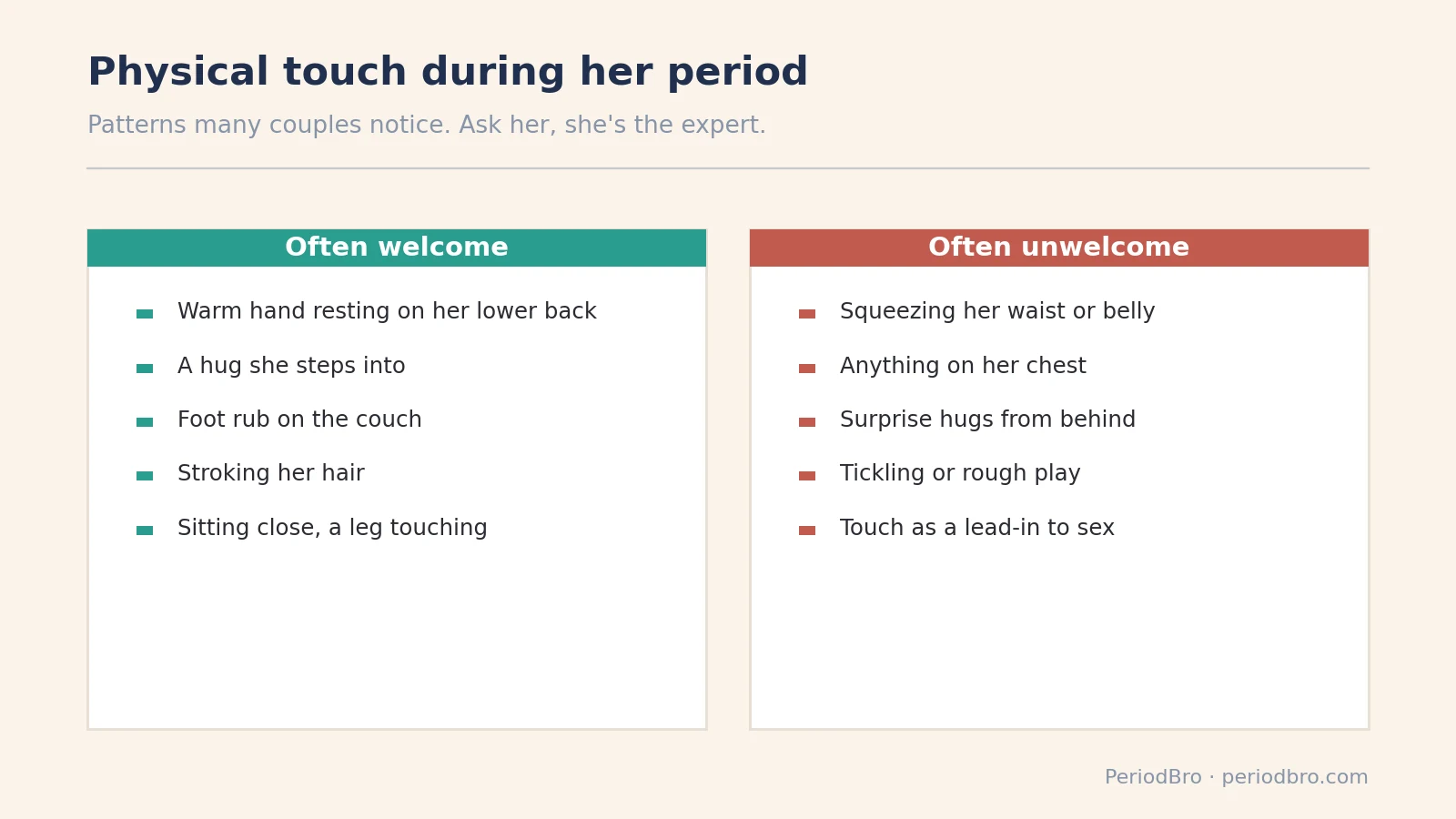
- Often welcome: a warm hand resting on her lower back, a hug she steps into, a foot rub on the couch, stroking her hair, sitting close with a leg touching.
- Often unwelcome: squeezing her waist or belly, anything on her chest, surprise hugs from behind, tickling, and touch that’s clearly a lead-in to sex when she’s not in that space.
If every hug turns into an invitation, she may start avoiding hugs altogether. Affection with nothing expected after it makes hugs feel safe again. If her desire drops before or during her period, low libido before her period explains why, and our period sex guide covers the other side.
How to ask without making it weird
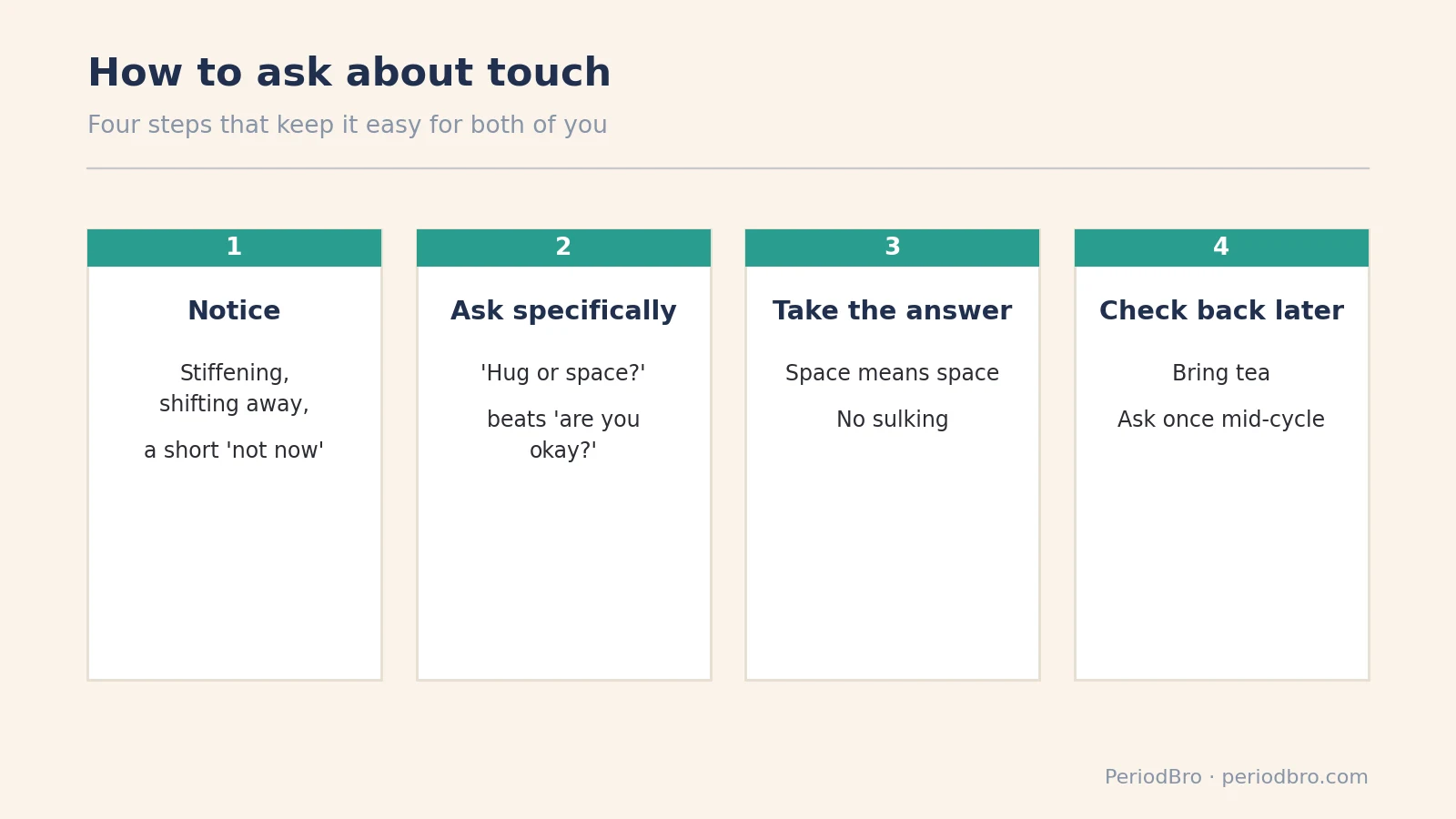
You don’t need a big talk. A specific question in the moment works better than a general one. “Do you want a hug or some space?” is easy to answer. “Are you okay?” usually gets “I’m fine.”
Some phrasing that tends to go down well:
- “Want me to put my hand on your back for a bit?”
- “I’m going to sit here. Tell me if you want me closer.”
- “Heating pad, foot rub, or leave you alone with the show?”
Then take the answer at face value. If she says space, give it cheerfully and don’t sulk in the next room. Check back later with a cup of tea, not a repeat of the question. Our pieces on how to give her space and when she pulls away go deeper on that.
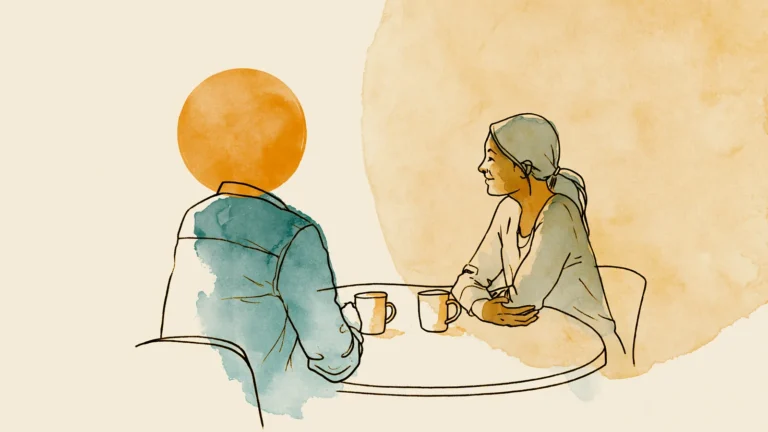
It also helps to have the conversation once when nobody’s hurting. Pick a calm evening mid-cycle and ask what kind of touch feels good on her worst days and what doesn’t. Most people have never been asked, and the answer is usually specific: back yes, stomach no, hugs from the front only. Write it down if you need to.


If you’re the one who needs touch
Some partners feel close mainly through physical contact. A few days of “not now” can leave you feeling shut out, and that feeling is real too. Pretending it isn’t there tends to turn into resentment a few months down the line.
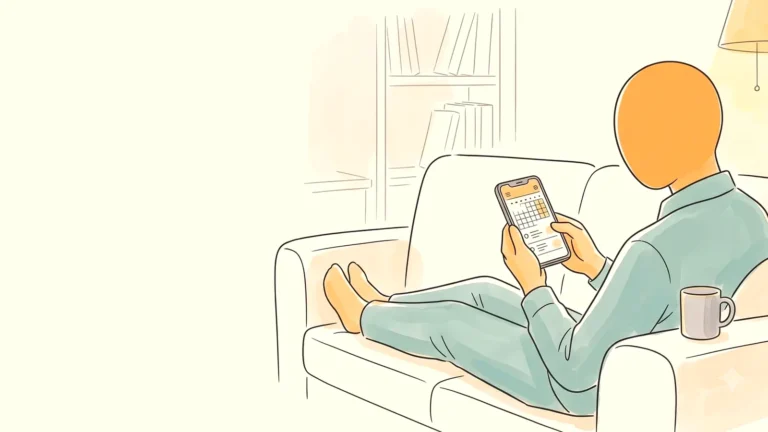
The fix is to find other ways to stay connected on those days rather than pushing for the hug. Watching something together on the same couch, cooking for her, a long walk, sending a message during the day. Many couples find that closeness without much contact keeps the connection going until she’s feeling more like herself. It also helps to say it plainly once, at a calm moment: “I miss being close on those days, what works for you?” That turns it into a problem you’re solving together. If those days line up with arguments too, handling arguments before her period is worth a read.
When it’s more than a few days a month
Touch sensitivity that comes and goes with the cycle is common. A few things are worth a doctor’s visit: breast pain that’s in one spot or one breast, or doesn’t follow her cycle; period pain that’s severe enough to stop her doing normal things; or mood changes before her period that are strong enough to strain the relationship every month. That last one can be PMDD, a more serious form of PMS that’s very treatable (ACOG).
If she avoids touch all month, not just around her period, that’s a different conversation, and one worth having gently, maybe with a counselor’s help.
What changed for me
Once I started paying attention, the pattern was obvious. The stiff “not now” days lined up with the days before her period. I switched to hugging her from the front, kept my hands on her back, and started asking. She told me later that the change she noticed most was that she no longer had to brace herself when I walked into the room. For the bigger picture of why this kind of attention pays off, read how cycle awareness changes a relationship.
I built PeriodBro so partners can see those days coming and adjust before anyone has to say “not now.” If that sounds useful, you can try it free here.
PeriodBro provides educational information and is not a substitute for professional medical advice. Always consult a qualified healthcare provider for personal medical decisions.