
How PMDD Affects a Relationship Long-Term: A Partner’s Guide
PMDD doesn’t break a relationship in one month. Here’s what the research says about the PMDD relationship long term, and what actually holds a couple together over years.

PMDD doesn’t break a relationship in one month. Here’s what the research says about the PMDD relationship long term, and what actually holds a couple together over years.
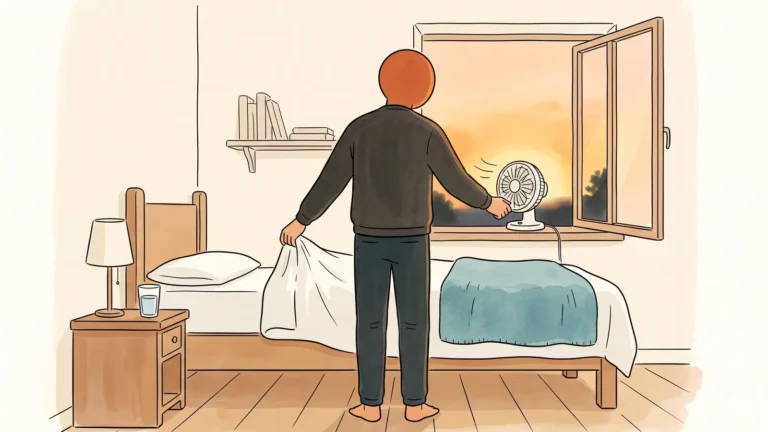
Stop meeting PMDD cold every month. Build a PMDD support plan together on a good week – her part, your part, and when to get a doctor in.

The first time I asked my partner about period sex, I made it weird. I picked the wrong moment, used a tone that sounded more like a permission slip than a question, and watched her face do the thing it does when she is about to laugh out of awkwardness. We did not have sex…

There’s a version of cycle tracking that makes a relationship better, and a version that quietly corrodes it. Here’s what the healthy one actually looks like.
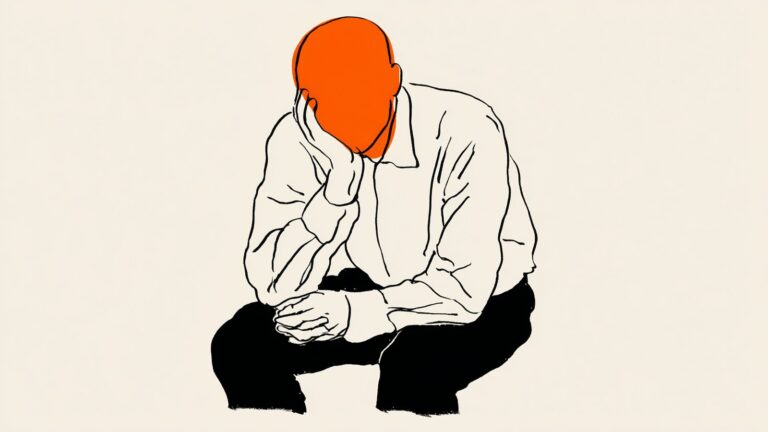
When she goes quiet, the reflex is to say sorry. Here’s why over-apologizing makes it worse, and the one line a steadier partner uses instead.

The research is clear – conscious partners who stay attentive don’t just have warmer relationships, they have more stable ones. What the data on responsiveness shows.

She goes quiet and your gut says you broke something. Usually you didn’t. How to stop taking her withdrawal personally – and stay steady instead.

Same fight, different week? Here’s the hidden pattern most couples miss – and the one question that breaks the loop.
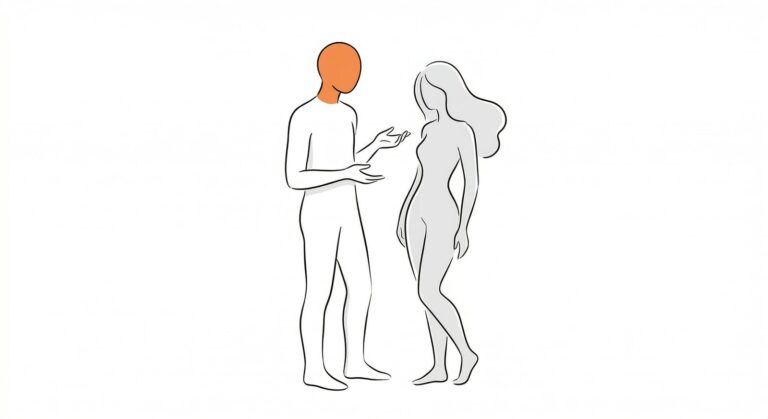
Tracking her cycle with consent is the only version that works. The consent conversation, what for-her vs about-her tracking looks like, and the post-Roe privacy frame.
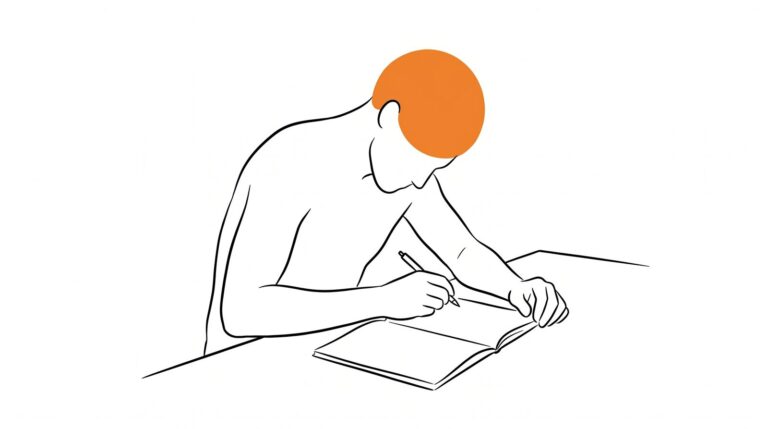
Cycle awareness for partners isn’t a relationship hack — it’s the framing shift that stops you from misreading hard days as personal failures. The version I wish I’d had at 32.