Period Joint Pain: Why Her Joints Ache Before and During Her Period (and How to Help)
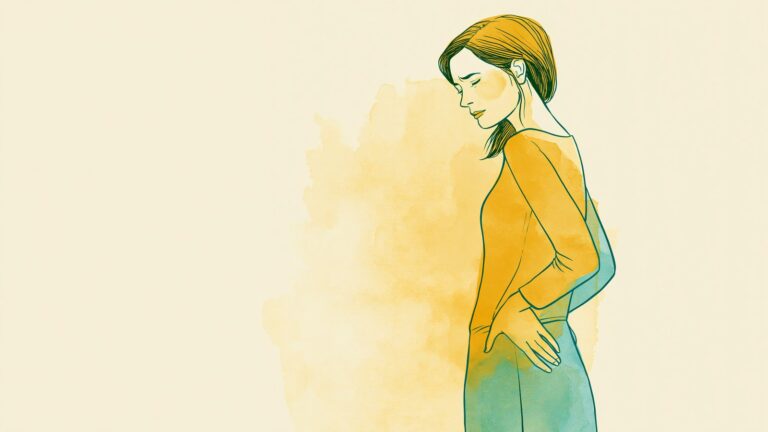
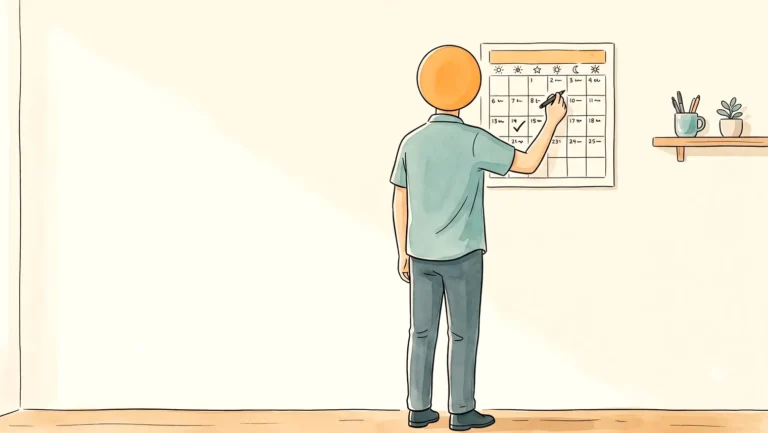
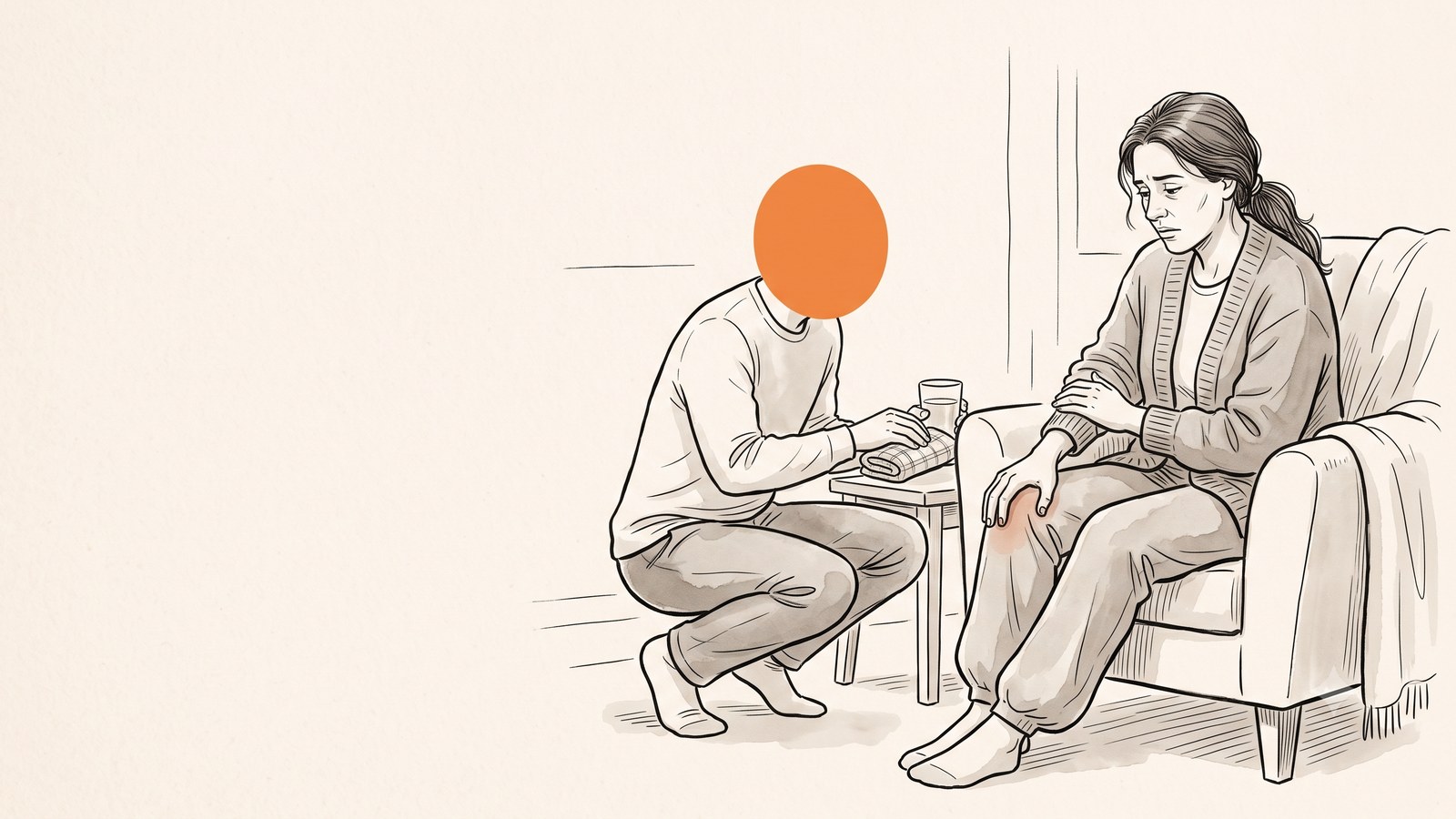
She reaches for the top shelf and pulls her hand back. Twists a jar lid and gives up halfway. Takes the stairs a little slower, one hand on the rail. Nothing dramatic, nothing she announces. But if you start paying attention, you notice it lands in the same stretch every month, the days right before and during her period. That stiffness isn’t random, and it isn’t her being dramatic.
Most guys never connect period joint pain to the cycle at all, because joints feel like a separate department from periods. They aren’t. The same hormonal shift that drives cramps and the low mood of the hard week reaches all the way out to her knuckles, her knees, her hips. Once you see the pattern, you stop guessing and start being useful.
What period joint pain actually is
Here’s the short version. Estrogen isn’t just a reproductive hormone. It’s quietly anti-inflammatory, and it helps keep cartilage healthy and joints well lubricated. Estrogen supports the synovial fluid that cushions the inside of a joint and helps regulate the body’s inflammatory response. When her estrogen drops in the days before and during her period, that protection dips with it, and joints can get more sensitive and achy (The Well by Northwell).
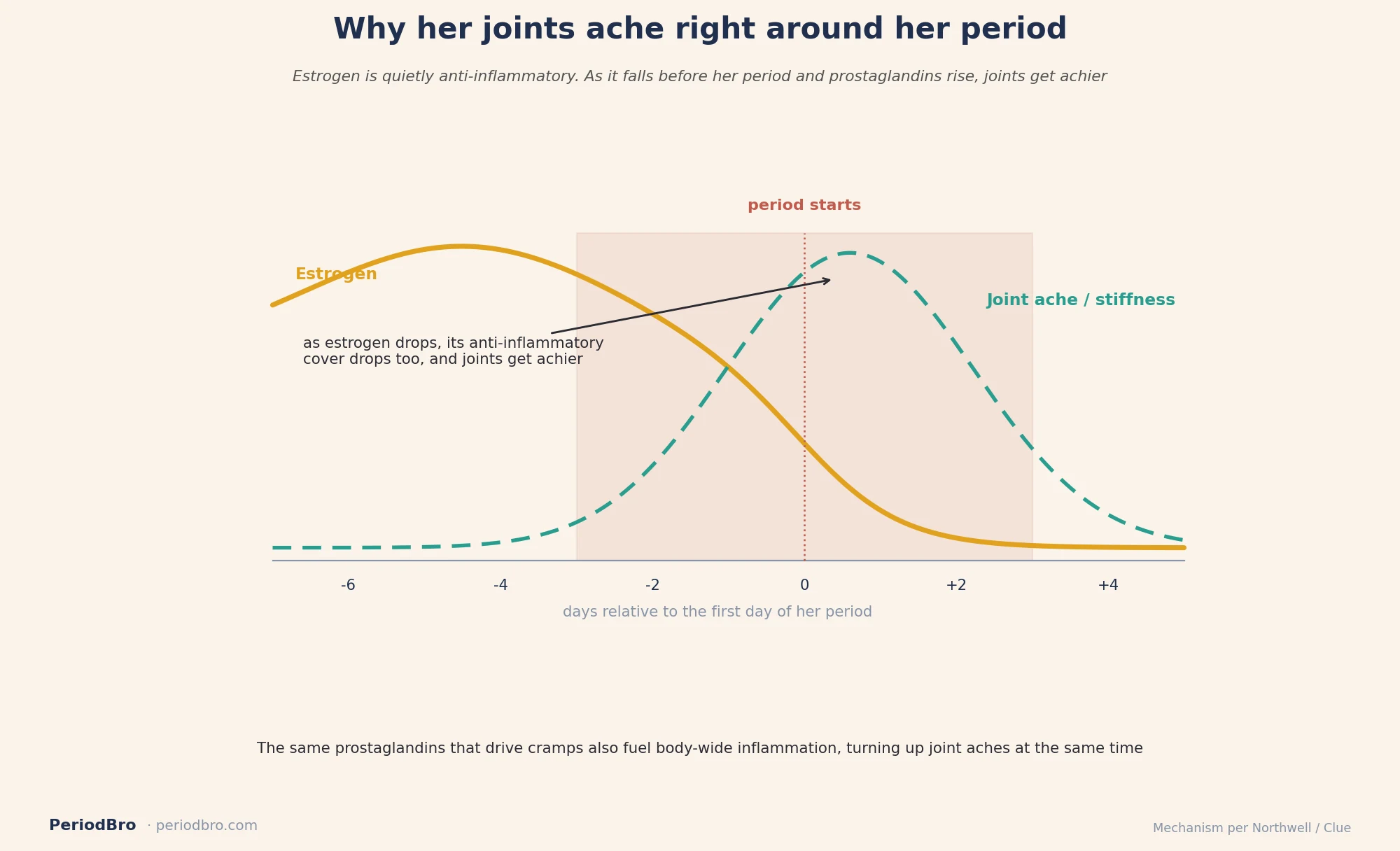
There’s a second driver stacked on top of that. Prostaglandins, the inflammatory compounds that make her uterus contract and cause cramps, don’t stay politely in one place. They promote inflammation more broadly, which can turn up the volume on joint aches at the same time (Clue). Add the cyclical water retention a lot of people get premenstrually, which can leave joints feeling puffy and stiff, and you’ve got a real, physical reason her body feels creaky for a few days.
The reassuring signature of all of this is timing. Cyclical joint pain shows up with the premenstrual or menstrual window and eases off once her period ends, tracking her estrogen and prostaglandins. If it comes and goes with her cycle, that pattern itself is the clue that hormones are behind it.
Why it lands where it does
Period joint pain doesn’t usually hit everywhere at once. The spots people report most are the hands and fingers, knees, hips, lower back, neck, and shoulders (Clue). If she mentions her fingers feel thick or her knees ache going down the stairs, that’s not her imagining things. Those are exactly the joints that tend to flag the estrogen dip.
You’ll also notice it’s often worse first thing in the morning or after she’s been sitting still for a while, then loosens up once she starts moving. That stiffness-after-rest quality is classic for the inflammatory side of things. It’s the same reason her lower back can ache around her period, which is its own referred-pain story worth understanding if you want the full picture (period back pain).
So is period joint pain normal?
For most people, yes, mild cyclical achiness is a normal part of the premenstrual and menstrual stretch, the same family of symptoms as cramps, bloating, and the luteal phase heaviness. It’s the body responding to a hormone shift, not a sign something is broken.
The important nuance is for the people who already live with an inflammatory condition. If she has rheumatoid arthritis or lupus, the cycle can genuinely move the needle. In one study of women with these conditions, about 36 percent with lupus and 28 percent with rheumatoid arthritis reported flares timed to the premenstrual stretch, with pain, fatigue, and disease activity running higher around their period (Colangelo et al., Rheumatology, 2011). Specialists at the Hospital for Special Surgery describe the same connection between the menstrual cycle and inflammatory arthritis flares (HSS). So if she has a diagnosis like that and her bad joint days seem to cluster around her period, that’s a real thing, not a coincidence, and worth her mentioning to her rheumatologist.
For everyone else, the bar is simpler: if the ache comes with her cycle and leaves with it, it’s almost certainly the ordinary hormonal kind. It can feel a little alarming the first time someone in their twenties or thirties starts talking about achy joints, because we file that under “older.” But cyclical joint pain has nothing to do with age and everything to do with the monthly hormone swing, and it can ease right back up the moment her estrogen recovers after her period.

What actually helps when her joints ache
This is the part you can do something about. None of it is complicated, and most of it is just showing up before she has to ask.

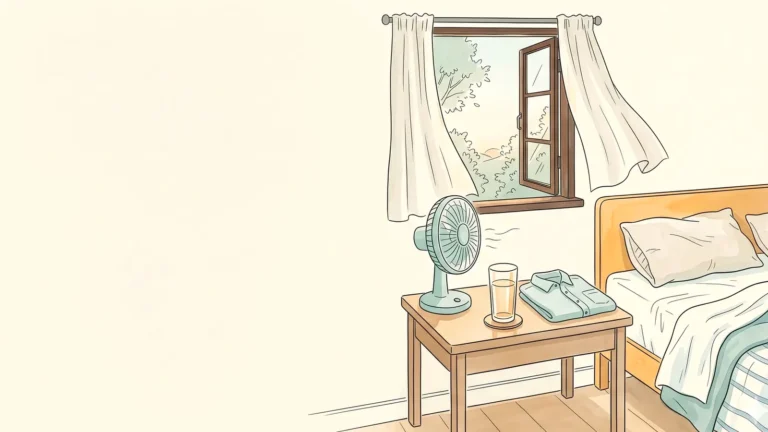
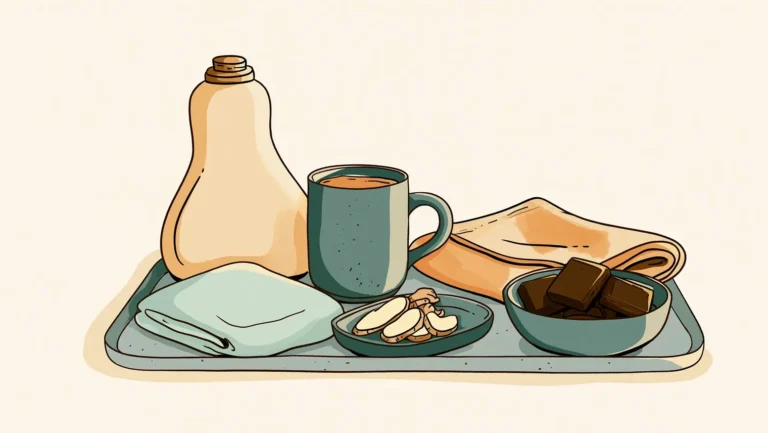
Lead with heat. A warm compress, a heating pad, a hot shower, or a warm bath all help loosen stiff, achy joints and take the edge off, the same way heat helps with cramps. If you want the broader rundown of what genuinely moves the needle on period pain, the pain relief guide covers it.
Don’t sleep on the anti-inflammatory angle. Because prostaglandins are part of the mechanism, ordinary NSAIDs like ibuprofen tend to help joint aches the same way they help cramps, and they work best taken early rather than waiting for the pain to peak (how to help with cramps). She knows her own body and what she can take, so this is a “want me to grab you something?” moment, not a “you should take this” lecture.
Make the gentle stuff easy. Light movement, a slow walk, some easy stretching, actually helps achy joints more than total stillness, since sitting frozen all day is what makes them seize up. You don’t have to organize a workout. Just suggest a short walk and go with her.
And quietly take the load. This is the highest-leverage thing and the easiest to miss. If reaching, twisting, lifting, and carrying are what hurt, then carry the groceries, open the jars, take the laundry basket, do the bag-up-the-stairs run. Don’t make a speech about it. Just notice what’s making her wince and do that thing. One more rule that applies all month but doubly here: respond to the discomfort, not to her body. “Let me get that” lands well. Commentary on how stiff or slow she’s moving does not.
The small everyday stuff stacks up too. Staying hydrated helps with the fluid-retention side of stiffness, and the same generally anti-inflammatory habits that are good for her any week, decent sleep, not too much alcohol, a few more whole foods, tend to take a little heat out of the achy days. You’re not putting her on a regimen. You’re just making the easy version of all of that available, so the path of least resistance is also the one that helps. The point of every one of these moves is the same: she spends those few days with less to grit her teeth through, and she doesn’t have to manage it alone.
When her period joint pain is worth a doctor’s look
Almost always this is ordinary and self-managed at home. But a few patterns mean it’s a medical conversation, not a heating-pad one, and a good partner knows the difference.
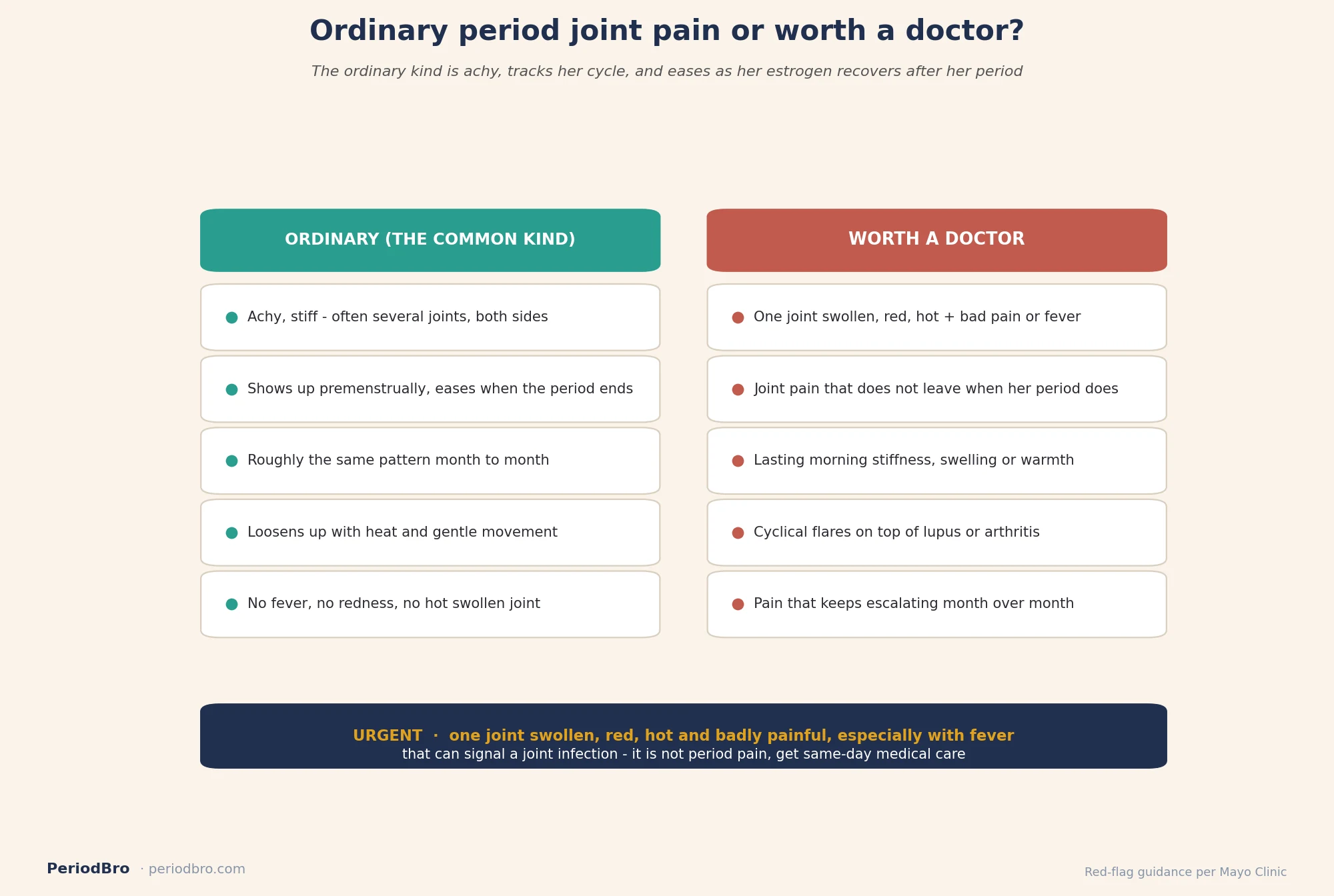
The urgent one: a single joint that’s swollen, red, hot to the touch, and badly painful, especially if it came on fast or comes with a fever. That combination can signal a joint infection, which needs fast treatment to avoid damage (Mayo Clinic). That’s a same-day care situation, not something to ride out.
The slower-burn one: joint pain that doesn’t pack up and leave when her period ends, or that comes with lasting morning stiffness, swelling, warmth, or visible changes in the joints. Pain that lingers past the cycle, or keeps escalating month over month, is worth a real evaluation rather than assuming it’s “just her period.” Tracking which joints hurt and when, across a couple of cycles, gives her doctor something concrete to work with and helps tell hormonal achiness apart from something that needs treating (CreakyJoints). And if the joint stuff travels with a broader run-down, feverish, whole-body-ache feeling, that’s worth reading up on too, since period flu is its own pattern.
You’re not diagnosing anything. You’re just the person paying enough attention to say, “this has been hanging around longer than usual, maybe worth a check.”
If you remember one thing
Her joints aching around her period is a real, hormone-driven thing, not stiffness she’s inventing. The single most useful move is to stop waiting to be asked: bring the heat, handle the lifting and the jar lids, suggest an easy walk, and keep an eye out for the rare red flags. That’s it. You don’t need to fix her body. You just need to make the achy days lighter to carry.
If you want to actually see this pattern instead of guessing at it, PeriodBro helps you track where she is in her cycle so the stiff, achy stretch doesn’t catch you off guard, and you’re already reaching for the heating pad before she has to mention it.
This article is for general information and isn’t medical advice. Cyclical joint pain is common, but joint symptoms can have many causes. For a swollen, red, hot joint with fever, or for joint pain that persists beyond her period or keeps worsening, encourage her to see a healthcare professional.