ADHD and Periods: What Dads of Teen Girls Should Know
A dad I know has a 14-year-old with ADHD. For most of last year he kept a mental list of her “bad weeks”: the week she lost her retainer, forgot a science project, and cried over a missing hoodie, all in four days. He figured it was eighth grade. Then her mom pointed out that the bad weeks kept landing right before her period. He pulled up the dates and felt like an idiot for not seeing it sooner.
He wasn’t an idiot. Almost nobody tells parents that ADHD and periods interact. The link between them is real, it’s increasingly well studied, and once you see it, a lot of those “bad weeks” start making sense. If you’re a dad trying to understand it and help without making it weird, start here.
Why her cycle affects her ADHD
ADHD is closely tied to dopamine, the brain chemical that helps with focus, motivation, and following through. Estrogen supports dopamine activity. When estrogen is high, many girls and women with ADHD find focus easier. When it drops, ADHD symptoms tend to get worse (Understood.org).
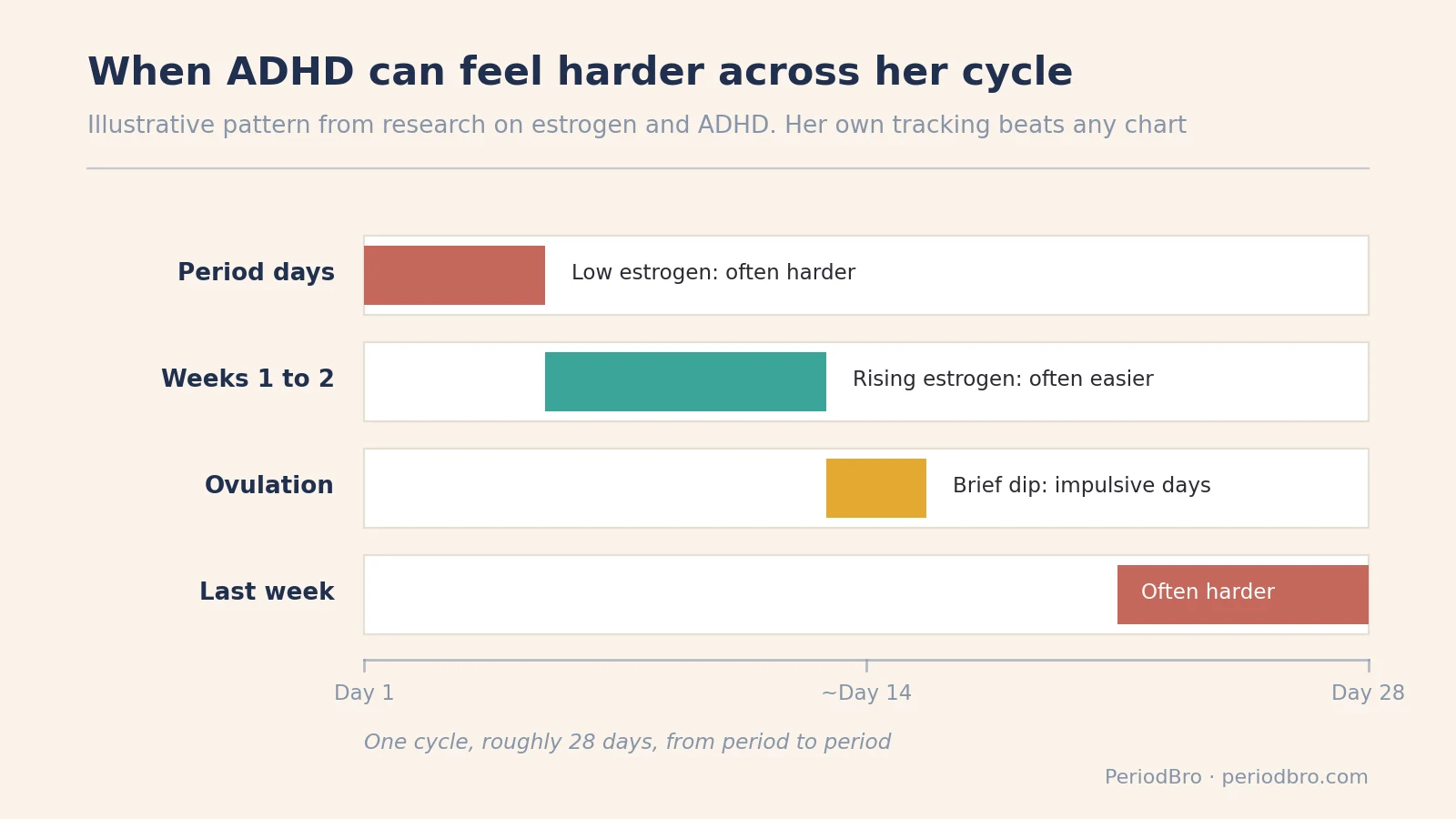
Estrogen drops at two points in each cycle: briefly around ovulation, and more sharply in the days before and during her period. A 2023 review in Hormones and Behavior laid out the theory and evidence for why those low-estrogen windows line up with worse ADHD symptoms (PubMed). A 2025 review went further, describing more risk-taking around mid-cycle and more avoidance and negative emotion around her period (PMC).
Researchers have described it as a double hit: a brain that already runs low on dopamine, plus a hormone dip that takes away some of the support (Scientific American). Teens may have it hardest, since puberty is when the brain is reorganizing and the cycle is least predictable.

What it looks like at home
Every girl is different, and plenty of teens with ADHD don’t notice a strong pattern. When there is one, dads tend to see some mix of the following in the week before and the first days of her period:
- More forgetting: homework, lunch, where she put her phone thirty seconds ago
- Harder time starting tasks, even ones she normally handles
- Bigger emotional reactions, faster tears or anger, harder to calm down
- Her usual medication seeming to “wear off” sooner or work less well
- More impulsive choices, which some research ties to the days around ovulation
That medication point comes up often. People with ADHD have reported that stimulants feel less effective in the late luteal phase, the stretch right before a period (CHADD). She isn’t imagining it, and nobody’s being dramatic.
If she doesn’t have a diagnosis
Some dads reading this have a daughter with no ADHD diagnosis at all, but the pattern above still sounds familiar. That’s worth taking seriously. Girls with ADHD are often diagnosed later than boys, partly because the inattentive type, the daydreaming, losing-things, quietly-falling-behind version, doesn’t disrupt a classroom the way hyperactivity does. Plenty of girls get by in elementary school on effort and structure, then hit a wall in middle school, right around the time periods start and the workload jumps.
A cycle-linked pattern on its own doesn’t mean she has ADHD. Sleep, anxiety, iron levels, and ordinary PMS can all look similar, and teen mood swings have plenty of causes. What helps is writing down what you see and when: which days, what kind of trouble, how long it lasts. Two or three months of notes give her pediatrician something concrete to work with, and they keep the conversation about patterns instead of about her being “difficult.”
The PMDD question
Dads should know about this one, and it’s no reason to panic. Premenstrual dysphoric disorder, or PMDD, is a severe form of PMS that affects mood badly enough to disrupt school, friendships, and family life. It shows up much more often in people with ADHD.
A 2021 study of 209 women with ADHD found symptoms consistent with PMDD in 45.5 percent of them, far above the rate in the general population (review, PMC). A 2025 survey of 715 women aged 18 to 34 in the British Journal of Psychiatry found provisional PMDD in 31.4 percent of those with an ADHD diagnosis, against 9.8 percent of those without, roughly three times the risk (British Journal of Psychiatry).
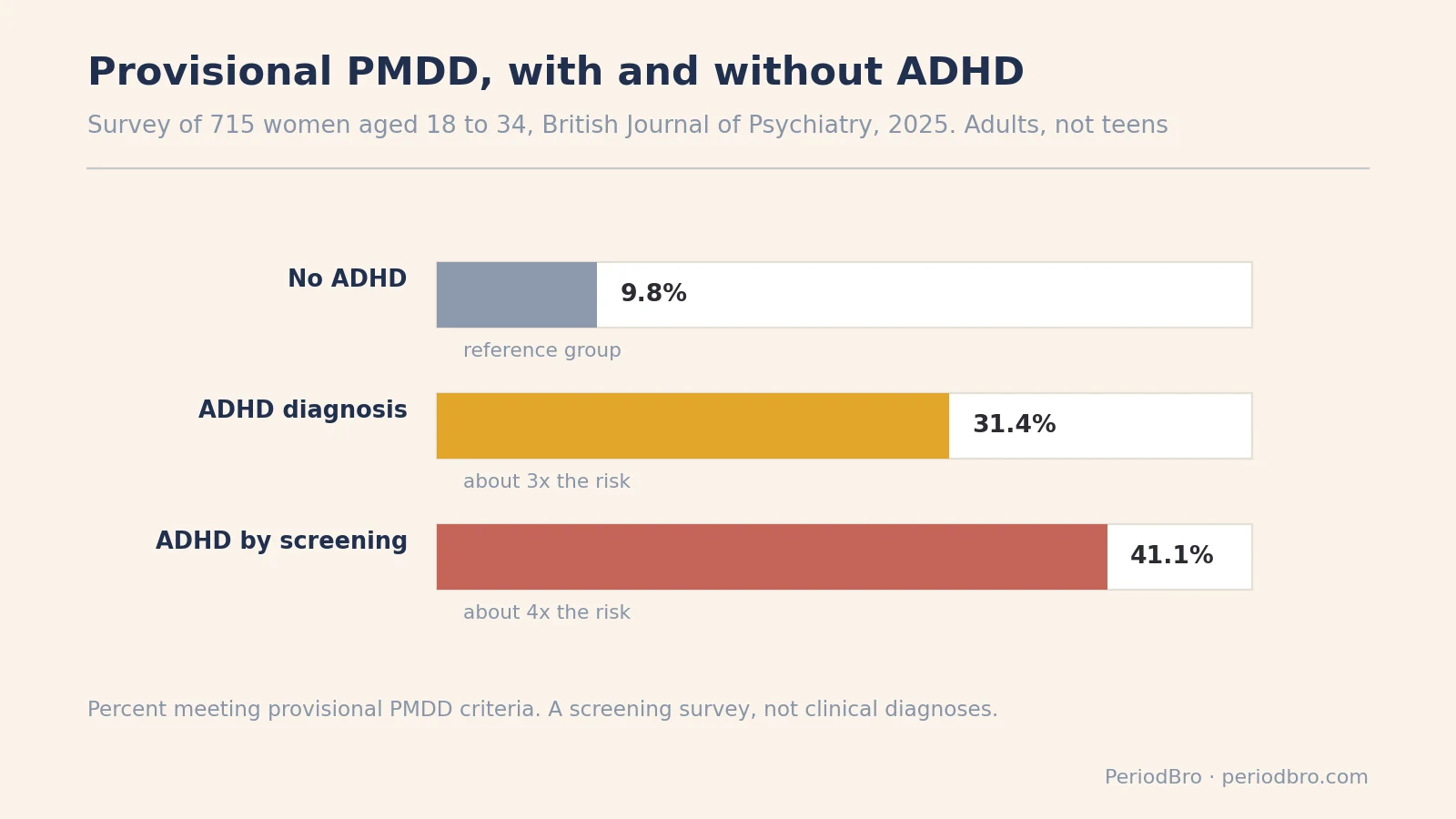
Both studies were in adults, so these numbers don’t transfer directly to a 14-year-old. What they do tell you is that if your daughter has ADHD and her mood crashes hard and predictably before each period, that’s a pattern to mention to her doctor. We have a separate guide on PMDD in teenage girls with the warning signs spelled out.
One safety note, plainly: PMDD can include hopelessness and, in some people, thoughts of self-harm. If your daughter ever says anything that worries you along those lines, take it seriously the same day. In the US, you can call or text 988 to reach the Suicide and Crisis Lifeline.
ADHD and periods: what dads can do
None of this requires you to become a hormone expert. It mostly requires paying attention and adjusting a few routines.
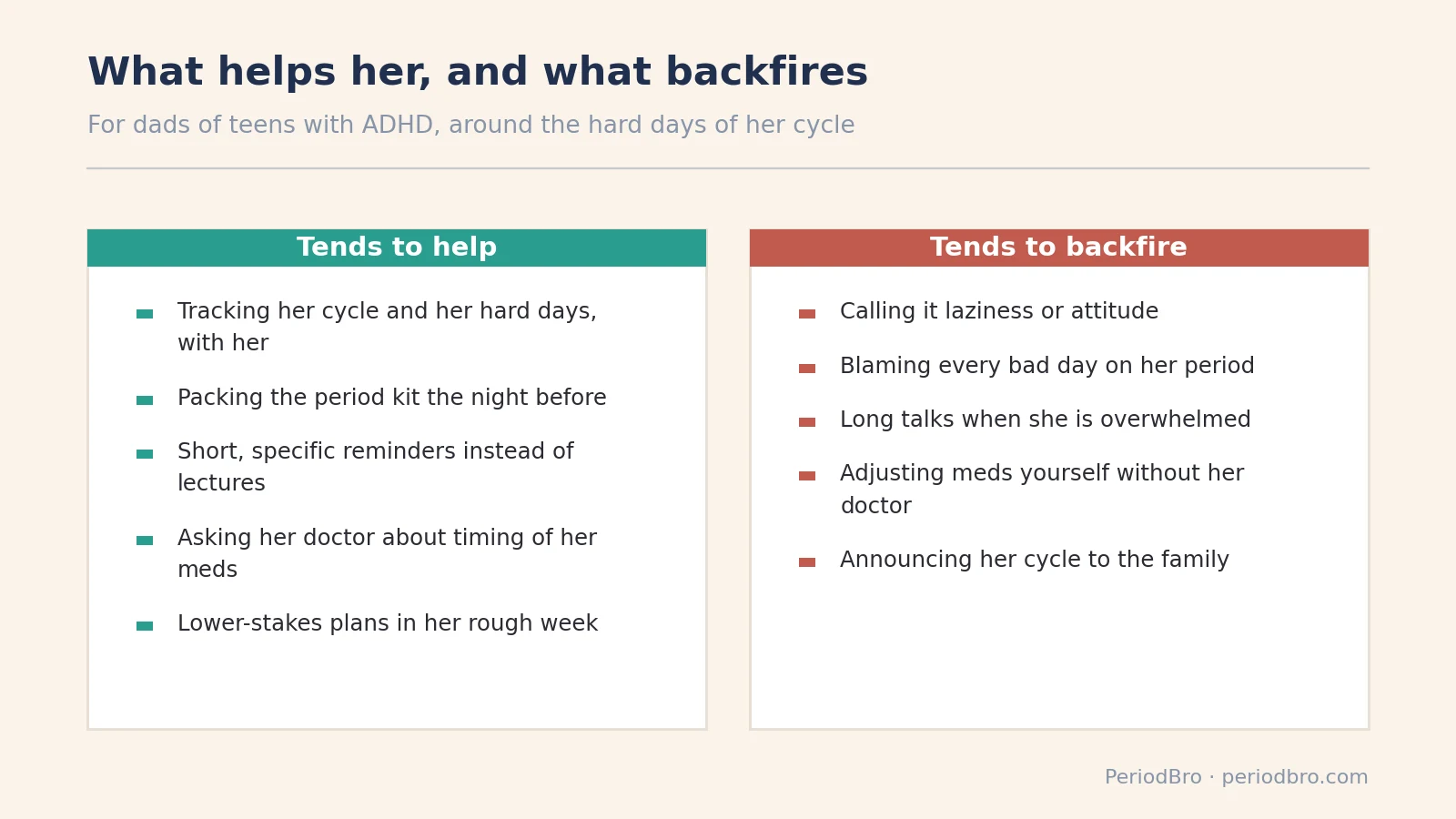
Track it with her. The single most useful thing is knowing when her period is due and which days tend to be rough. Understood.org recommends exactly this: track cycles to anticipate harder days and plan around them. A shared app or a simple calendar works. Our look at period tracking apps for dads covers options. Make it her data that you help with, not surveillance.
Bring the pattern to her doctor. If she takes ADHD medication and it clearly works less well before her period, her prescriber may want to know. Some clinicians adjust dosing around the cycle. That’s a decision for her doctor, not a DIY fix at home.
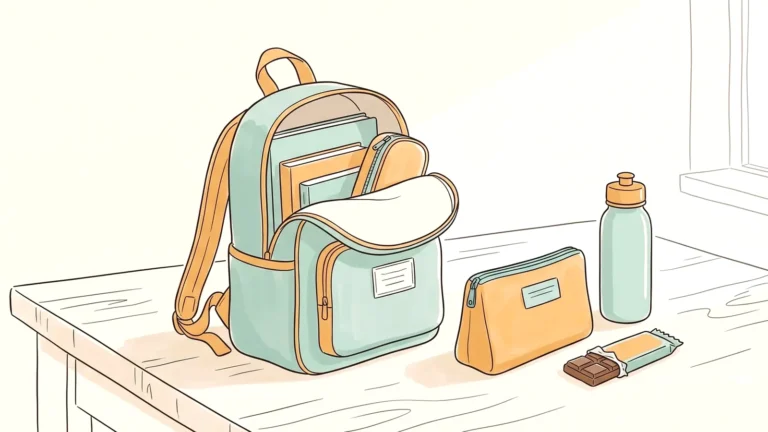
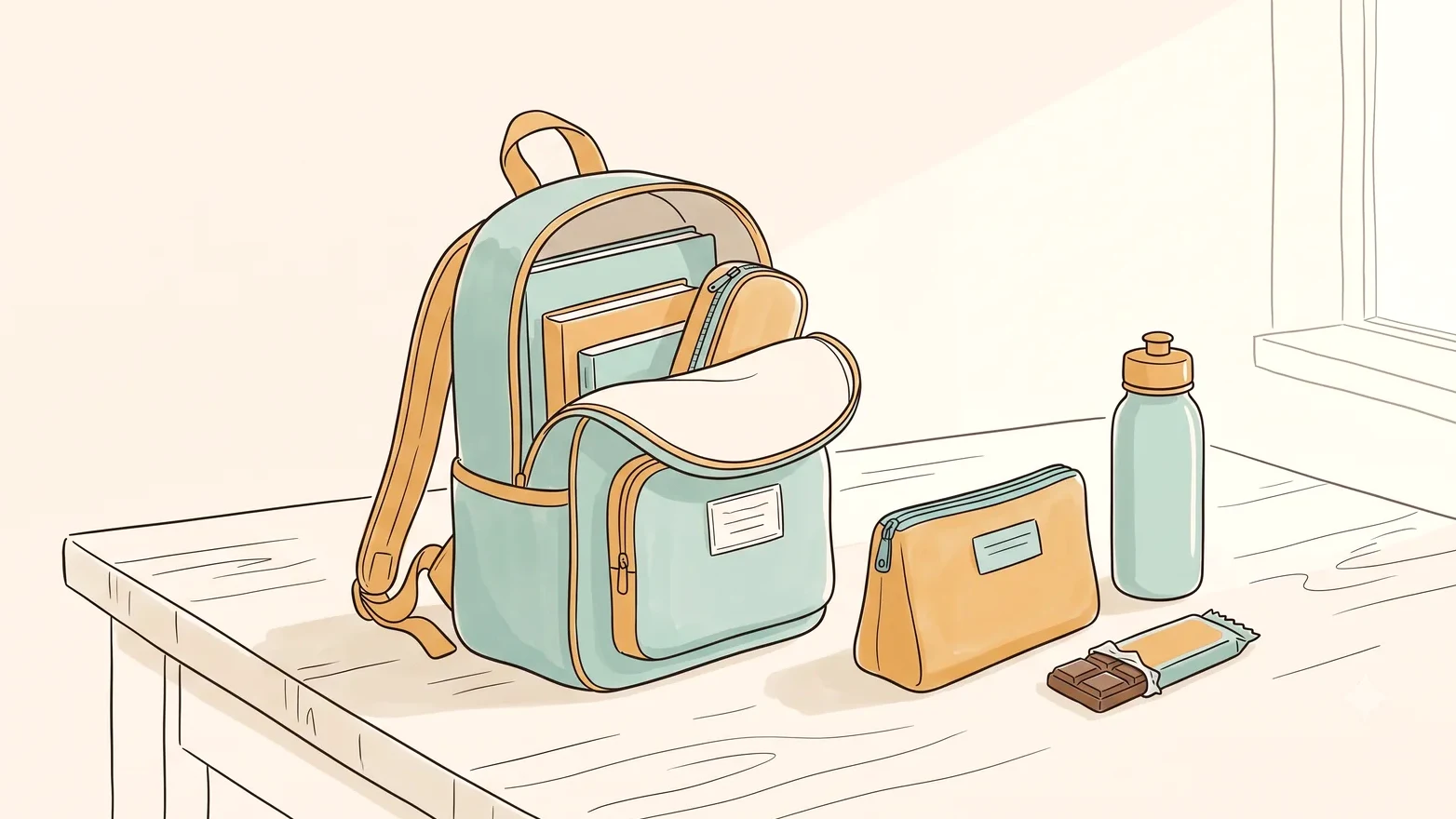
Front-load the logistics. Executive function takes the hit first, so do the planning while it’s easier. Pack the period kit the night before. Keep supplies stocked in her backpack and bathroom so she’s not trying to remember on her worst day. If you need a starting list, see what to stock before her period.

Lower the stakes in the rough week. If a big deadline, a sleepover, or a tryout lands in her hard days, help her plan ahead rather than white-knuckle through. Short, specific reminders work better than long talks. “Science binder is by the door” gets further than a lecture about responsibility.
Keep her period private. You can know the pattern without announcing it. Telling the family “she’s on her period, that’s why” will cost you more trust than any forgotten binder.
Watch your own framing. When the forgetting spikes, it’s tempting to call it laziness or attitude, and neither label fits. At the same time, don’t blame every bad day on her cycle. Some bad days are just bad days, and teenagers notice when adults explain away their feelings.
How to bring it up with her
Teens with ADHD often carry a lot of shame about forgetting and falling behind. Learning that her brain chemistry shifts with her cycle can be a relief, because it means the rough weeks aren’t a character flaw.
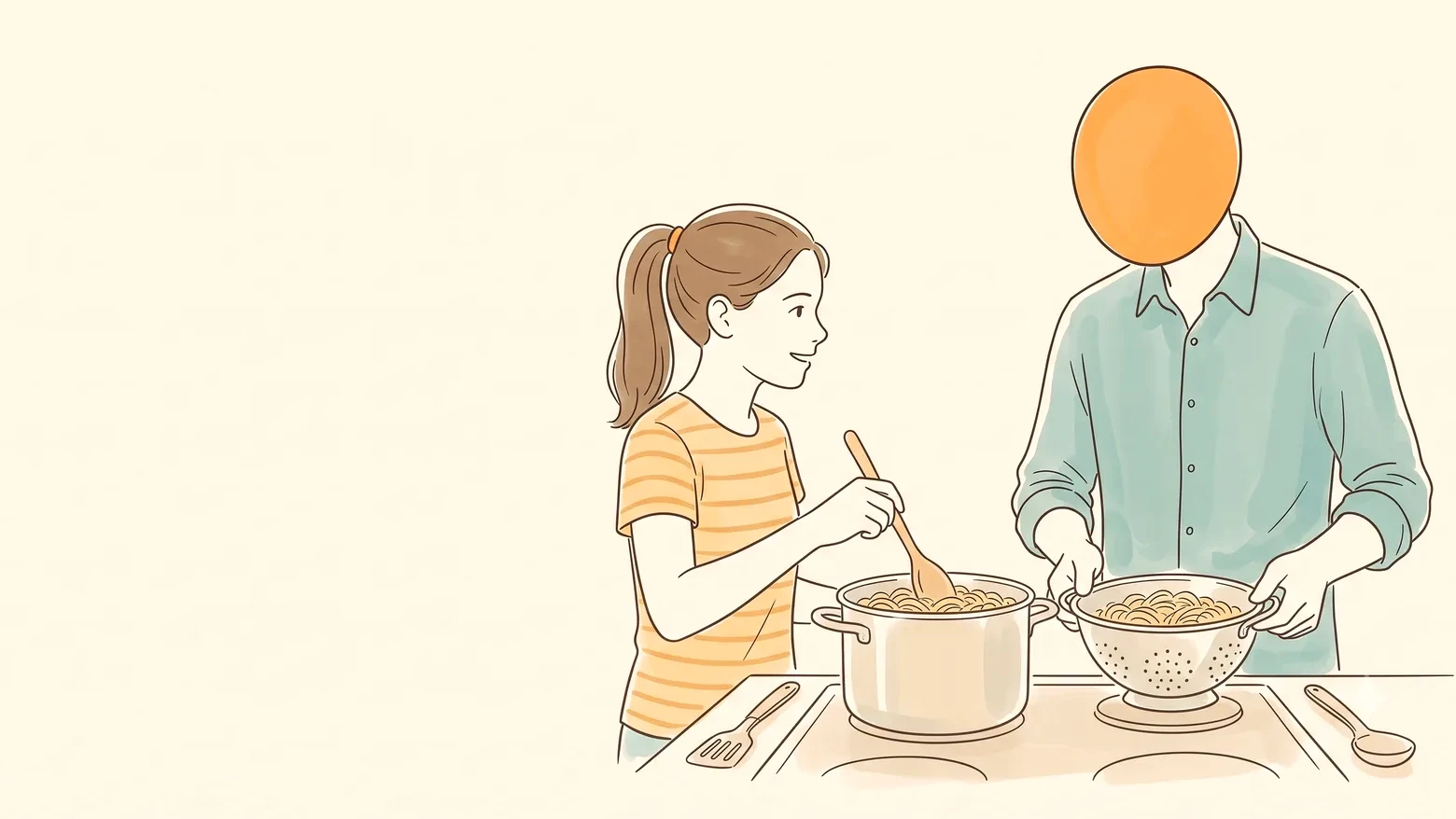
Keep it short and low-pressure. Car rides and cooking together tend to work better than a sit-down talk. Something like: “I read that ADHD can get harder right before a period for a lot of girls. Does that ever feel true for you?” Then let her answer, or not. If she shrugs it off, drop it and try again another time.
If she already avoids the topic of periods entirely, start with what to do when she won’t talk about it. And if you’re still finding your footing on the basics, a father’s role in menstrual education is a good place to start.
The dad I mentioned at the top didn’t make a big announcement. He started keeping the kit packed, stopped scheduling big Saturday errands in her rough week, and asked her pediatrician about it at the next checkup. His daughter told him months later that it was the first time an adult had connected the dots for her.
PeriodBro provides educational information and is not a substitute for professional medical advice. Talk with your daughter’s doctor before making any change to ADHD medication or treatment.