How to Plan Date Nights Around Her Cycle: A Partner’s Practical Guide
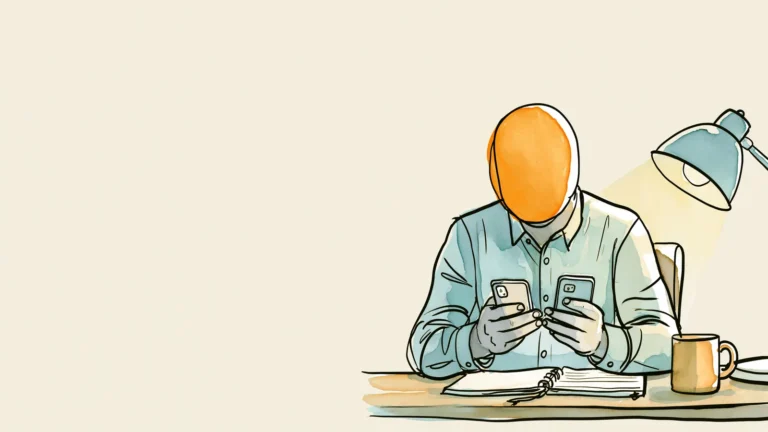
I once booked a loud, packed tasting-menu place for a Friday I’d been excited about for weeks. By the time we sat down she was running on empty, the room was too bright and too loud, and she spent the night being a good sport about something she had zero appetite for. Nothing went wrong, exactly. It just landed flat. A few months later I realized the date itself wasn’t the problem. The timing was. I’d planned a high-energy night for a week when her body was asking for the couch.
That’s the thing nobody tells you about planning date nights around her cycle. It’s not about being clinical or scheduling romance like a dentist appointment. It’s about noticing that the person you love runs on a roughly month-long rhythm of energy, mood, and social appetite, and meeting her where she actually is instead of where your calendar wishes she’d be.
Why her energy isn’t the same all month
The menstrual cycle runs in four phases, and each one comes with a different hormonal backdrop. A typical cycle lasts somewhere between 21 and 35 days, broken into the menstrual phase (bleeding, usually 3 to 7 days), the follicular phase that follows, ovulation around the middle, and the luteal phase in the back half before the next period (NCBI Endotext).
Here’s the part that actually matters for date night. In the follicular and ovulatory stretch, rising estrogen tends to lift energy, mood, and sociability (Cleveland Clinic). In the luteal phase, progesterone climbs and has a mildly sedating effect, which is why a lot of people feel more tired and more inward in the days before their period (Cleveland Clinic). None of this is destiny, and every person is different. But the broad pattern is real, and once you see it, you stop taking the quiet weeks personally.

The menstrual phase: keep it low and close
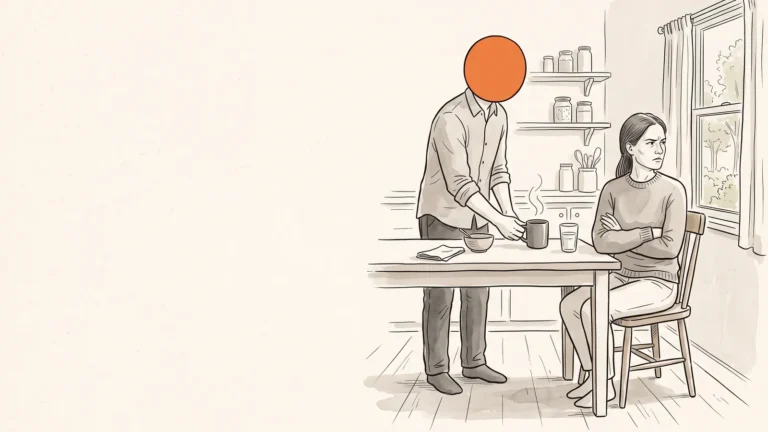
The first few days of bleeding are not the time for a big production. Energy tends to dip with menstrual flow and cramping, and the honest move is to take the pressure off entirely. This is comfort-date territory: takeout from the place she actually likes, a film she’s already seen so neither of you has to concentrate, a hot water bottle within reach.
The win here isn’t impressing her. It’s removing friction. Don’t ask “what do you want to do?” when she has no bandwidth to plan. Just offer the plan: “I’ll grab the Thai, you pick what we watch.” If she’s dealing with cramps, a little practical help goes a long way, and I’ve written more about what actually works in our guide on period cramps. A good menstrual-phase date looks a lot like doing nothing together, on purpose, with zero performance pressure.
The follicular phase: this is your adventure window
After the period ends, estrogen starts climbing and most people feel it. Energy comes back, mood tends to brighten, and there’s more appetite for the new and the social (Cleveland Clinic). This is the stretch to book the thing you’ve both been meaning to try. The cooking class. The hike with the good view. The new neighborhood you’ve never wandered. The dinner with friends she normally finds draining might actually sound fun this week.
If you’ve been sitting on an idea that needs a bit of activation energy, the follicular phase is when it’ll land best. You’re not manipulating anything. You’re just scheduling the ambitious date for the week her tank is fullest instead of the week it’s empty. If you want the underlying science on how these hormones shape her week, I broke it down in how hormones drive her mood all month long.
Ovulation: the high point for connection
Around the middle of the cycle, estrogen peaks just before ovulation, and testosterone gets a bump too (NCBI Endotext). For a lot of people this is the most outgoing, confident, and connected stretch of the month, and libido often rises with it. There’s even research suggesting emotion recognition sharpens during this higher-estrogen window, so conversations can feel more attuned on both sides (PLOS One).
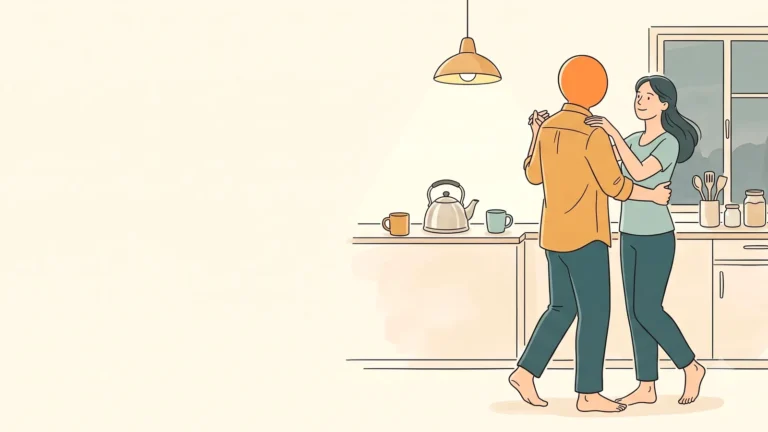
This is the date night to make special. The reservation you actually plan ahead for. The night you both dress up a little. The weekend away if you can swing it. If you’ve been wanting more intimacy and romance, this is the window where the timing is working with you instead of against you. If ovulation is still a fuzzy concept for you, here’s a plain-English primer: ovulation explained for men.

The luteal phase: dial it down, not off
The back half of the cycle is where most partners get it wrong, and where I got it wrong with that loud restaurant. As progesterone rises, its sedating effect tends to leave people feeling more tired and more inward, especially in the five to seven days before the period starts (Cleveland Clinic). This is not the week for the crowded bar, the back-to-back plans, or the surprise that requires her to be “on.”
But dialing it down isn’t the same as canceling. The luteal phase can be genuinely lovely if you read it right. Think cozy over crowded: a home-cooked meal instead of a tasting menu, a quiet walk instead of a club, an early night instead of a late one. Cravings can also shift in this phase, and studies show energy intake tends to rise in the luteal stretch, so this is a kind week to keep her favorite snacks around without making a thing of it (PMC meta-analysis). If you want to understand this phase more deeply, here’s the breakdown: the luteal phase explained for men.
What if her cycle is irregular?
Plenty of cycles don’t run like clockwork, and that’s normal. Cycle length varies between people and even month to month for the same person, anywhere in that 21-to-35-day range (NCBI Endotext). So if you’re trying to plan around a moving target, don’t aim for precision. Aim for direction.
You don’t need to predict the exact day of ovulation to be useful. You mostly need to know whether she’s in a high-energy stretch or a low one, and that you can read from how she’s actually showing up. Is she suggesting plans or turning them down? Sleeping more? Reaching for comfort food? Those signals are more reliable than any calendar math, and they’re available to anyone paying attention. The cycle awareness is a starting frame, not a rulebook. When the pattern and the person disagree, trust the person in front of you.
A simple week-by-week cheat sheet
If you want one thing to hold in your head, hold this. During her period, default to comfort and zero pressure. In the week or so after it ends, that’s your window for the ambitious, novel, social plans. Around the middle of the cycle, plan the date that actually matters and put real thought into it. In the back stretch before her next period, scale the production down and lean cozy. Four phases, four different kinds of night, all of them an act of paying attention.
How to actually do this without being weird about it
You don’t announce any of this. Nobody wants to hear “according to my calculations you’re ovulating, let’s go dancing.” The whole point is that this stays invisible to her and just shows up as you being a partner who consistently plans the right kind of night at the right time.
The practical version is simple. Know roughly where she is in her cycle. Match the date’s energy to her likely energy. Save the big ambitious plans for the high-energy weeks, default to comfort and low pressure in the quiet ones, and make the ovulation window the one you actually plan ahead for. Pay attention to how she responds and adjust, because she’s a person, not a chart, and her pattern is hers.
If keeping track in your head feels like a lot, that’s exactly the kind of quiet nudge PeriodBro is built to handle: a small daily sense of where she is and what kind of support fits, so the right date night becomes the obvious one instead of the lucky one. Start with one cycle. Plan one date that matches her week instead of your calendar. You’ll feel the difference, and so will she.