Best Heating Pad for Period Cramps (Buyer Guide)
If you only fix one thing about how you show up when she’s cramping, make it heat. It’s the closest thing to a cheat code you’ll get: cheap, drug-free, and backed by real trials. The catch is that “get a heating pad” hides a dozen choices, and the wrong one just sits in a drawer. Here’s how to pick the one she’ll actually reach for.
I learned this the slow way. The first pad I bought was a huge electric one with a two-foot cord and a control panel like a spaceship. It lived in a cupboard because it was a hassle to set up. The thing that finally got used was a $10 box of stick-on patches she could slap under her jeans and forget about. Convenience beat wattage every time.
Why heat actually works on cramps
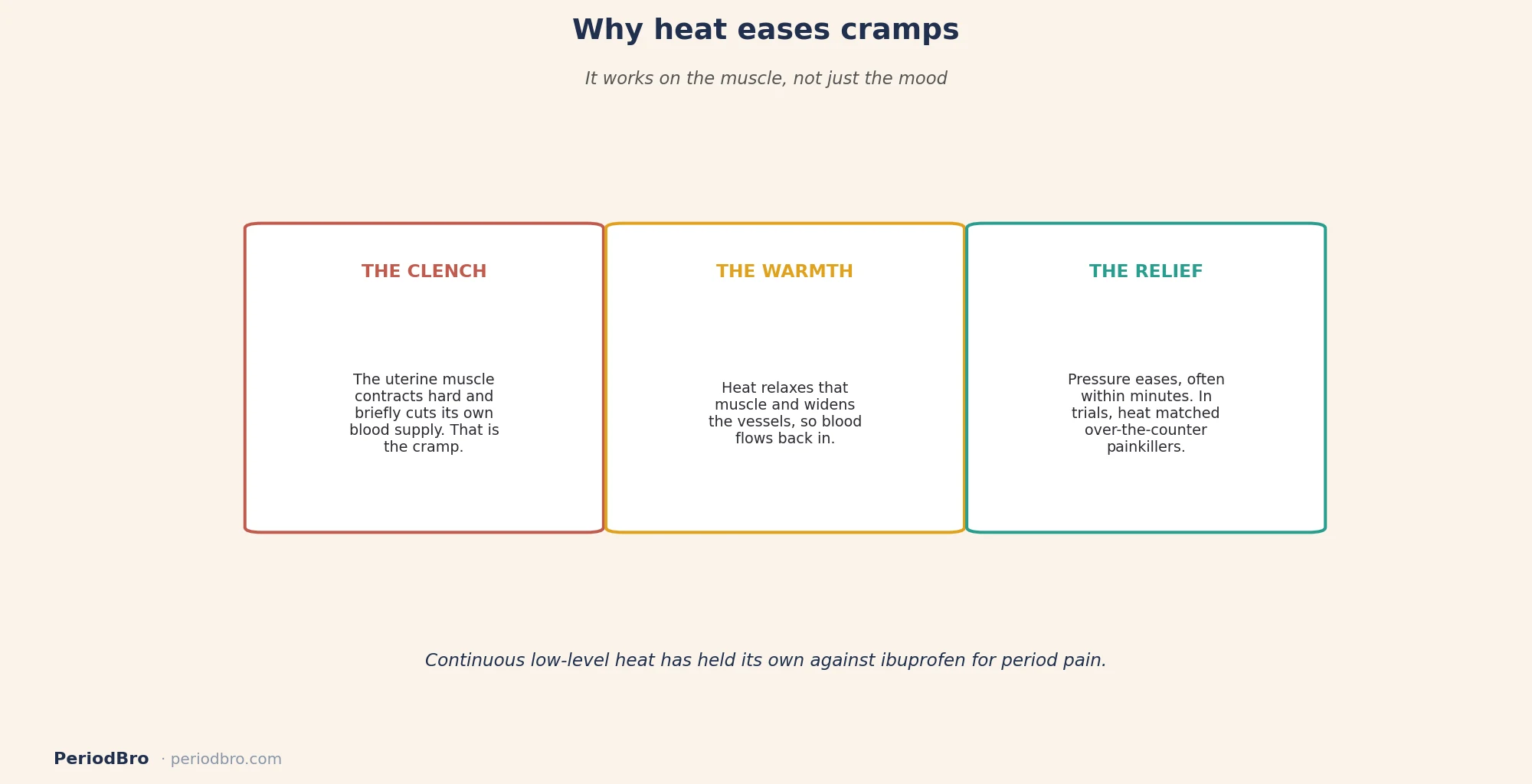
This isn’t folk wisdom. Cramps come from the uterine muscle contracting hard and briefly cutting its own blood supply, which is what makes them feel like a fist clenching. Heat relaxes that muscle and opens the blood flow back up, which is why relief tends to come within minutes. In a set of classic trials, continuous low-level topical heat matched over-the-counter painkillers for period pain: one study found a heat wrap beat acetaminophen over eight hours (Akin et al., 2004), and heat has been a recommended non-drug option in clinical reviews for over two decades (American Family Physician, 2001).
It even holds up head to head against ibuprofen. In one randomized trial, an adhesive heat patch using an iron chip worked about as well as ibuprofen for cramps, and combining the two worked faster than either alone (BMC Women’s Health, 2012). A 2025 review of the research came to the same place: heat is one of the few home remedies with a solid evidence base behind it (Frontiers in Medicine, 2025). So when you hand her a warm pad, you’re not just being sweet. You’re handing her something that competes with the pills in the cabinet.
The best heating pad for period cramps, by type
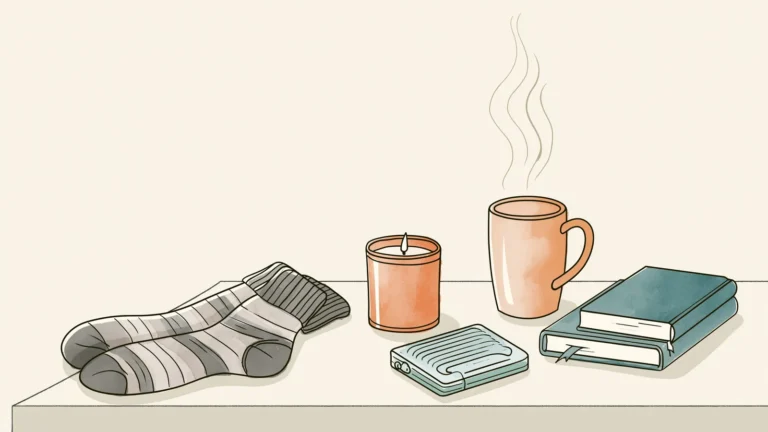
There’s no single winner, because the best heating pad for period cramps depends on where she is when the cramps hit. Four formats cover almost every situation, and the smart move is usually to own two: one for the couch and one for the world.
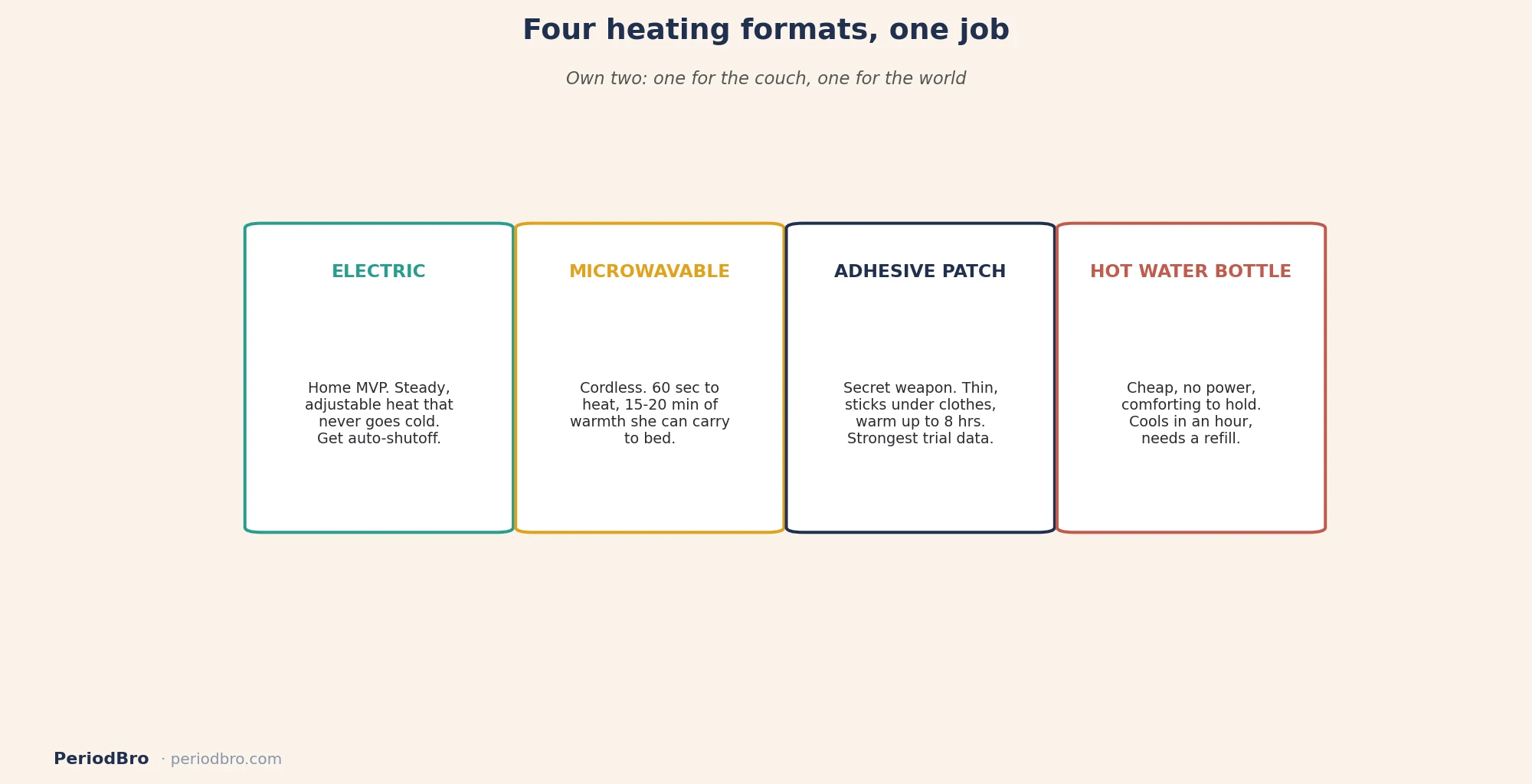
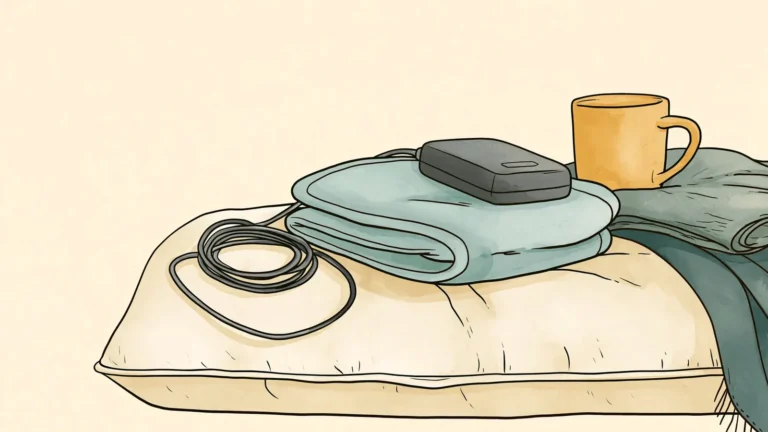
Electric heating pads are the home MVP. Steady heat, adjustable settings, and they never go cold mid-cramp. Look for one large enough to cover the lower belly or the lower back, with a few heat levels and, non-negotiable, an auto-shutoff. This is the one she’ll use on the sofa for an hour without thinking about it.
Microwavable pads, the gel or rice-and-flaxseed kind, are the cordless cousin. Sixty seconds in the microwave and she gets fifteen to twenty minutes of warmth she can carry to bed. No plug, no cord, and the good ones mold to her body. The trade-off is that the heat fades, so they suit a nap better than a long evening.
Adhesive heat patches are the secret weapon, and the format with the strongest trial behind it. They’re thin, stick to the inside of her clothes, run warm for up to eight hours, and go completely unnoticed at work or on a plane. This is what lets her have relief when she’s nowhere near an outlet. Buy a box and keep it stocked.
The humble hot water bottle still earns its spot. It’s cheap, needs no power, and a soft-covered one is genuinely comforting to hold against the belly. It cools over an hour and you have to refill it, but for the price of a coffee it’s hard to argue with.
What to actually look for when you buy
Once you’ve picked a format, a few specs separate the pad she loves from the one that annoys her. Size matters more than people think: a pad that covers the whole lower abdomen or wraps around the lower back beats a tiny one she has to keep repositioning. For an electric pad, check the cord length so she isn’t tethered to one corner of the couch, and make sure it has auto-shutoff so nobody’s stressing about a scorched cushion.
Heat levels are worth having, because what feels good on day one and day two isn’t the same. A washable or removable cover keeps it from getting gross over months of use. And if you’re buying patches, glance at the run time and whether they’re meant to stick to skin or to fabric, because that’s a real difference in comfort. None of this is complicated. It’s just the stuff that decides whether the pad becomes a habit or clutter.

How to use it so it actually helps
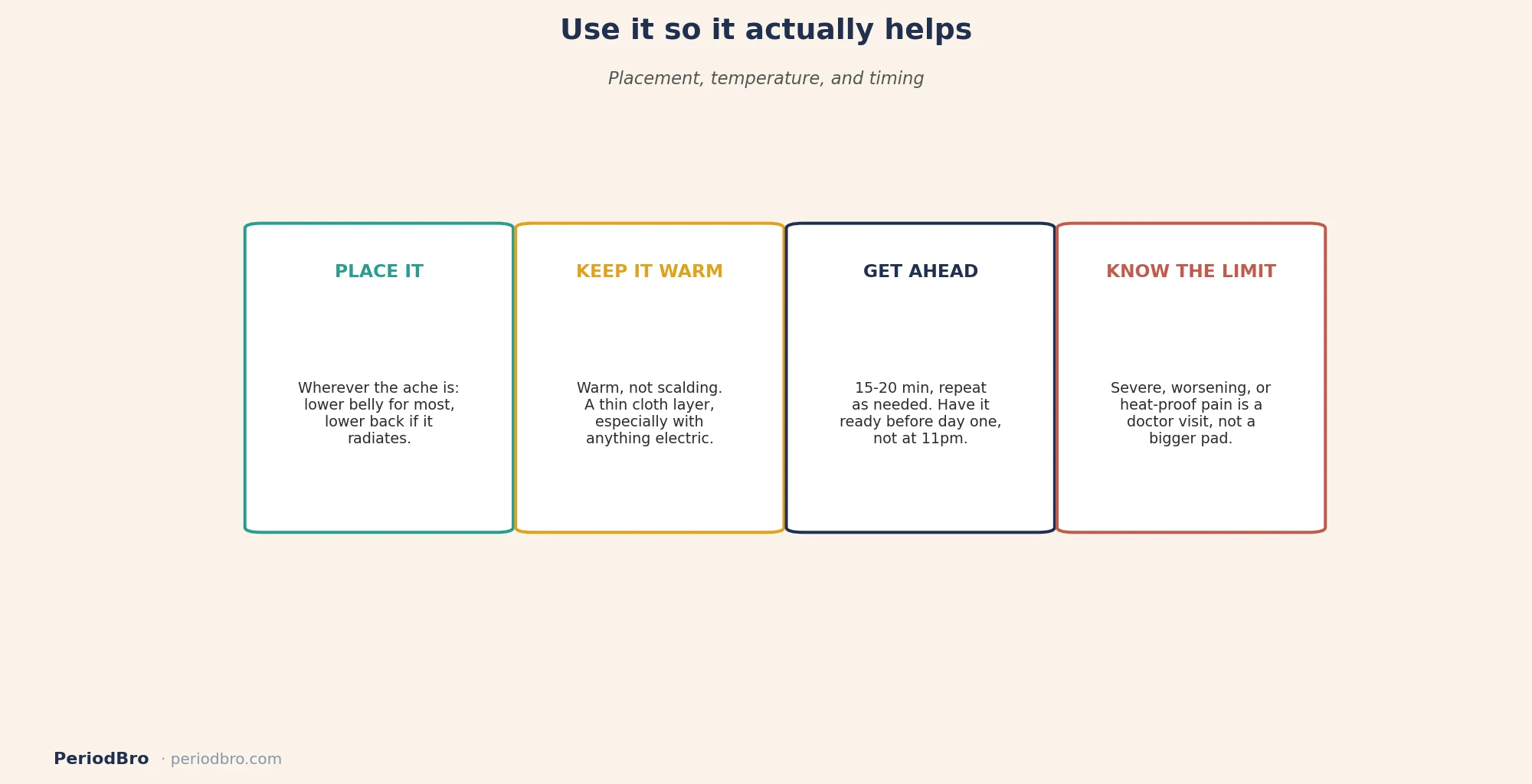
Placement is simple: wherever the ache lives. For most people that’s the lower abdomen, but plenty of cramps radiate into the lower back, so let her tell you or offer both. Fifteen to twenty minutes is usually enough to take the edge off, and she can repeat it as needed. Warm, not scalding, is the rule. If it’s too hot to rest a bare hand on comfortably, it’s too hot for her belly, and a thin layer of cloth between skin and pad is a good habit, especially with anything electric.
The move that separates a good partner from a great one is timing. Heat works best as a head start, not a rescue. If you have a rough sense of when her period is due, you can have the pad charged and the patches in the drawer before day one instead of hunting for them at 11pm while she’s curled up. That’s the quiet reason I track at all: not to hover, just to not get caught flat. A pad waiting on the nightstand the night before beats the same pad found in a panic the next morning.
When heat isn’t enough
A heating pad is for a normal rough period, not a diagnosis. If her pain is severe, getting worse over time, not touched at all by heat or over-the-counter relief, or comes with heavy bleeding, fever, or pain outside her period, that’s a doctor’s visit, not a bigger pad. Take that seriously rather than trying to out-gadget it. Pain that stops her from living her normal life is worth getting checked, and the supportive move is to encourage that, gently, instead of insisting the pad should be doing more. If you want the fuller picture, here’s what actually helps with period cramps beyond heat, and how to be supportive when you can’t fix her pain.
But for the everyday version of cramps, the ones that just make a couple of days miserable, heat is the highest-value thing you can put in her hands. Pick an electric pad for the couch and a box of patches for everywhere else, keep them stocked, and have them ready before she asks. That readiness is the actual gift. The pad is just the packaging, and it tells her the thing she most wants to know: that you were paying attention before she had to say a word.
This article is for general information and isn’t medical advice. Severe, worsening, or unusual period pain should be checked by a healthcare professional.