Single Dad, Daughter, First Period: A No-Panic Playbook
This is the single dad daughter first period playbook I needed and didn’t have. I’m a dad. I track my daughter’s cycle. I didn’t always know how.
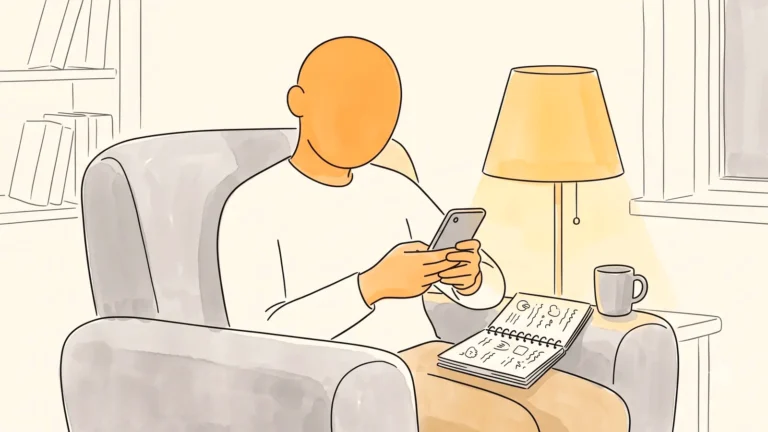
For most of my life, I assumed someone else would handle this part. Her mom, the school, Google, anyone but me. Then one afternoon I was driving her home from gymnastics and she asked, almost casually, what a tampon was. She was nine. I said something useless like “we’ll ask Mom” — and that night I realized I’d just outsourced a moment I should have been ready for.
If you’re searching for “single dad daughter first period” you’re probably ready for it now. So let me cut to it.
Single Dad Daughter First Period: The 50-Second Version
If you only have a minute, here’s the whole article:
- It’s coming, probably between ages 10 and 14. The average in the US sits right around 12 years old.
- You’ll get warning signs about two years before — first breast development, then a growth spurt, then pubic hair, then often vaginal discharge a few months out.
- Stock the bathroom now with pads (not tampons), pain relief like ibuprofen, a heating pad, and extra underwear. Put it where she can find it without asking.
- Have one short conversation early. “When it happens, here’s where everything is, and here’s how I can help. You don’t have to talk to me about it. I just want you to be ready.”
- The day it happens: don’t make a thing of it. Don’t celebrate. Don’t apologize for not being a mom. Just be the calm adult in the building.
Now the longer version.
When It’s Likely to Happen
The average age of first period — menarche, if you want the word — in the United States is about 12 years old. ACOG puts the mean at 12.43 years, down from 12.75 in 1960. So if you’re thinking “she’s only ten, we have time” — you might not.
The normal range is wide: eight to fifteen, per Mayo Clinic. Earlier than eight gets a doctor visit (precocious puberty). Later than fifteen also gets a doctor visit (delayed). Everything in the middle is your daughter’s biology doing what it does on its own schedule.
What changes the timing? Genetics is the big one. If her mother started early, she’ll probably start earlier than average. Body fat plays a role too — bodies need a minimum threshold of fat to start cycling, which is one reason competitive gymnasts, dancers, and high-level runners often start later. Chronic stress can delay it. Chronic illness can delay it.
You don’t need to predict the exact date. You need to be ready a year before you think you need to be ready. That’s the whole calendar.
The Signs That Come First
Periods don’t show up out of nowhere. There are about two years of warning, if you know what to watch for.
Breast budding (thelarche) is usually the first sign — small tender swellings under the nipples. It can happen as young as eight. This is when the puberty clock starts ticking. From thelarche to first period is typically two to two-and-a-half years.
Growth spurt comes next. She’ll get taller fast. Sometime around now, sometime a little later.
Pubic and underarm hair show up in the middle of this window.
Vaginal discharge is the strongest local warning sign — clear or whitish, on her underwear. It usually starts six to twelve months before her first period. If she mentions it, or if you’re folding laundry and notice it, you’re inside the year window.
You don’t need to track these like a checklist. You just need to know that “breasts” means “two years out” and “discharge” means “any month now.” That’s enough.

What to Actually Stock at Home
Forget every “first period kit” Pinterest post you might land on. Here’s the practical version, in order of necessity.
1. Pads. Not tampons. First periods almost universally call for pads. They’re external, no learning curve, no anxiety about insertion. Get a mix: regular thin pads for daytime, overnight pads for, well, overnight. Brands matter less than having the variety. Always Ultra Thin, Stayfree, or any store brand works.
2. Pain relief. Ibuprofen (Advil, Motrin) works better than acetaminophen (Tylenol) for cramps, because cramps are inflammatory — that’s not folklore, that’s the Cochrane review on NSAIDs for dysmenorrhoea. Buy the standard formulation appropriate for her weight; ask the pharmacist if unsure. A heating pad — the cheap microwaveable kind or an electric one — does more than most pills.
3. Underwear she doesn’t love. First periods are messy. Buy a few pairs of dark cotton briefs she can ruin without crying about it. Period underwear (Thinx, Knix, Saalt) is genuinely useful as backup but pricey to buy in bulk before you know what she’ll like.
4. Stain remover. OxiClean, hydrogen peroxide for fresh stains, or a stain stick by the laundry. Blood comes out in cold water if you catch it early. She’ll feel less terrible about ruined sheets if the solution is already there.
5. A small zip pouch in her backpack. Two pads, a clean pair of underwear, a small ziplock for the used one. This is the kit she takes to school. The whole pouch costs five dollars and might save her from the worst day of her seventh-grade year.
Put all of this somewhere visible and accessible. Top drawer of her bathroom vanity. Not behind your shaving stuff in the cabinet she’ll never open. The point is that she can find it without having to ask you.
The Conversation You’ve Been Dreading
You’re going to overthink this. Don’t.
The conversation isn’t one big talk. It’s three or four short ones that happen naturally over a year.
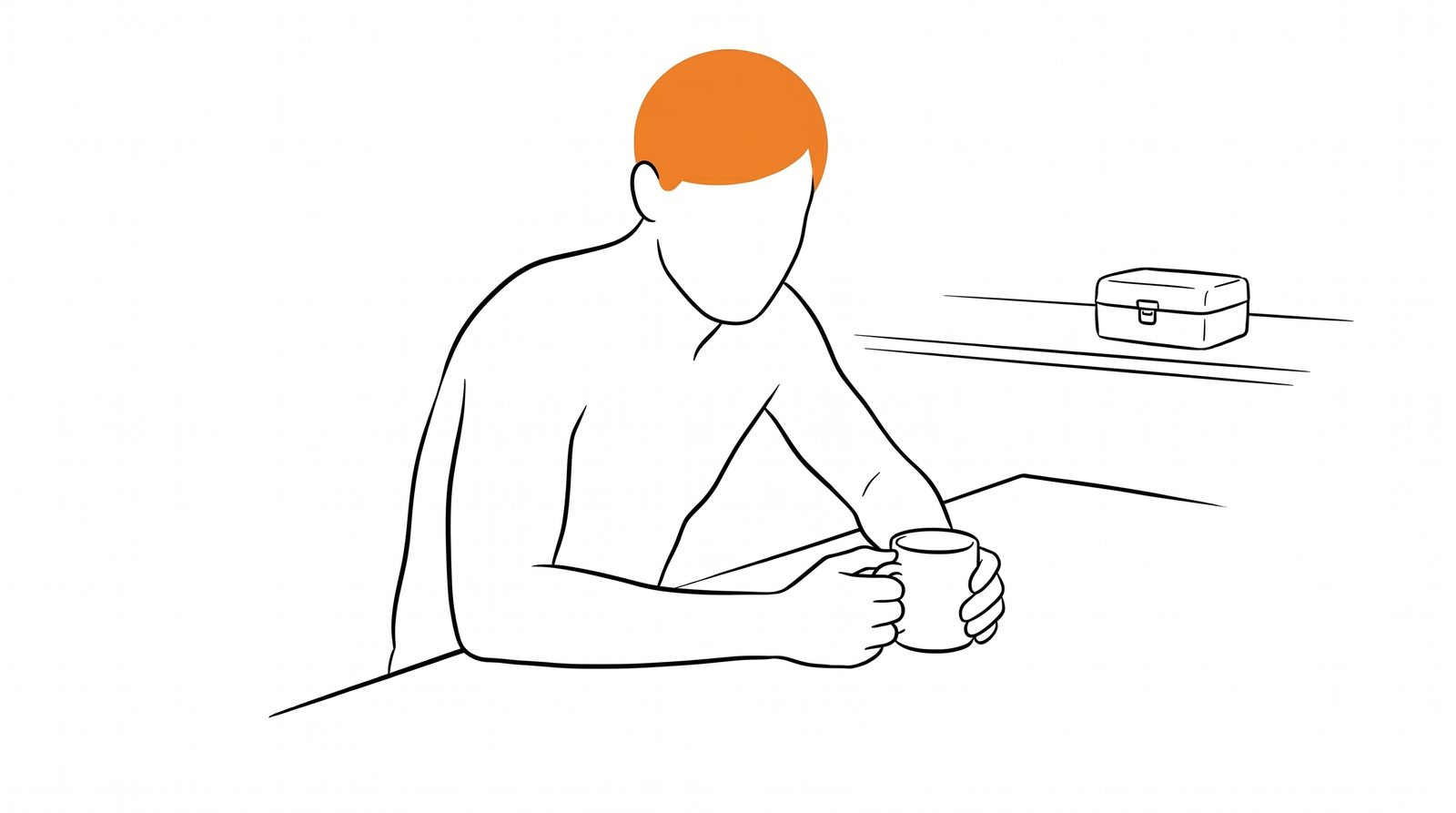
The first one happens when you stock the bathroom. Walk her through it once, in maybe ninety seconds. “Hey, you’re going to get your period somewhere in the next year or two. Here’s where everything is. Pads here, ibuprofen here, heating pad here. If you need anything else, tell me and I’ll get it. You don’t have to make it a big deal with me, but if you want to talk, I’m here.”
That’s the whole script. Read it again. It’s short on purpose. The longer you make this, the more weight you put on it, and the harder it gets for her to come to you when it actually matters.
A few things not to say:
- “You’re becoming a woman now.” True in a textbook sense and uncomfortable in every other sense. Skip it.
- “I wish your mom could be here for this.” Even if it’s true. It puts the burden on her to manage your feelings about not being her mom. Don’t.
- “Don’t be embarrassed.” This tells her she should be embarrassed. The whole job is to act like this is unremarkable.
- “Now you can get pregnant.” Save the sex-and-pregnancy talk for another month. Related, but not the same conversation.
What you can say, depending on her: ask what her friends are talking about. Ask what they did in health class. Tell her you talked to her aunt or her grandma or her pediatrician (if any of that is true) about what to have ready. Tell her you Googled stuff and read a lot. Telling her you don’t know everything is a feature, not a bug. She doesn’t need you to be an expert. She needs you to not be weird.

Single Dad Daughter First Period: The Day It Happens
Here’s the five-step plan for the day she comes to you.
- Stay normal. No big reaction. “Okay. Do you need anything?” That’s the opener.
- Get the supplies in her hand. If you stocked the bathroom, this is twenty seconds. If you didn’t, take her with you to the store, or send a friend’s mom, or order same-day delivery. Solve the immediate problem first.
- Ibuprofen and a heating pad if she has cramps. Don’t wait for her to ask.
- Don’t ask follow-up questions for at least an hour. Let her come to you. Most of what she needs is for an adult to act like everything is fine and going to keep being fine.
- Note the date. Mentally, on a calendar, in PeriodBro, anywhere. That’s day one of her tracking life, and the data you collect over the next year is going to be useful when her irregular periods do something concerning and you have to decide whether to call the doctor.
That’s it. That’s the whole day. You’re allowed to feel something. You probably will. Just don’t make her process your feelings about her period.
The Next 12 Months
First periods are unpredictable. They might come three weeks after the last one. They might come six weeks after the last one. They’re light, they’re heavy, they’re brown one time and bright red the next. All of that is normal for the first year or two — the medical term is “anovulatory cycles,” which means the body is rehearsing the hormonal pattern without releasing eggs yet. Cycles often regulate to a consistent rhythm sometime in the second year.
Things to know during this window:
- A skipped month or two is not pregnancy (assuming she’s not sexually active). It’s the system stabilizing.
- Heavy bleeding that soaks a pad in under an hour, repeatedly, is a doctor call. So is bleeding that lasts more than seven days, period pain that doesn’t respond to ibuprofen, or cycles consistently shorter than 21 days or longer than 45.
- Tracking matters more than you’d think. Not because she needs a calendar app at twelve. Because if she ends up in front of a pediatrician at fourteen with cycle concerns, the first question is going to be “when was her last period and how long is her cycle?” — and someone is going to need to know.
This is where dads quietly outperform the cultural assumption. The cultural assumption is that mothers handle this and fathers don’t. The functional reality is that whichever parent is paying attention has the data when it matters. If that’s you, that’s you.
I wrote earlier about the missing-link role fathers play in menstrual education — the data on what fathers actually know is dispiriting, and the data on what daughters wish their fathers knew is worse. The whole point of doing this well is small: you become the dad who isn’t another data point in that gap.
If you want the wider lens on what’s actually happening inside her cycle once it stabilizes, here’s the 4 phases, explained for men, and a more clinical version of what’s happening across the 4 phases. You don’t need either to get through the first year. They’ll matter later.
FAQ
At what age should I have the “single dad daughter first period” conversation?
The earliest reasonable signal is breast budding — somewhere between age eight and ten for most girls. That’s the window to stock the bathroom and have a short, casual conversation. Don’t wait for an obvious milestone; act on the early signs.
My daughter’s mother isn’t involved. Should I get another woman in her life to help?
Helpful but not required. An aunt, a grandmother, a friend’s mom, or her pediatrician can supplement what you do. The thing she needs most is a calm, prepared parent in her own home. That’s a role, not a gender.
What if she gets her first period at school?
School nurses are extremely used to this and almost always have supplies. The zip pouch in her backpack is your backup plan. Tell her in advance: “If it happens at school, the nurse has what you need. Or you have the pouch. Either way, it’s fine.”
Should I buy her a period tracker app?
Not at her age, not for self-tracking — most apps are designed for adult women trying to conceive or avoid conception. What works for the first two years is you keeping a simple log so you can answer doctor questions. PeriodBro is built for exactly this — a parent or partner tracking on behalf of someone whose biology matters to them.
When does the first period usually start after breast development?
About two to two-and-a-half years on average. The vaginal-discharge phase (six to twelve months before menarche) is your closer signal. If you see it, you’re inside the year.
One Last Thing
You don’t have to be perfect at this. You have to be present.
PeriodBro was built for moments like this. There are women in your life whose biology matters to you, and no one ever taught you. Whether you’re a single dad navigating your daughter’s first period, a husband, a brother, or a son — you’re trying to show up better than the men in your family did. That’s not a failure of masculinity. That’s the upgrade.
Add a profile for your daughter. Log her first period when it happens. Get the kind of heads-up a paying-attention mom would have given. Start with PeriodBro →
PeriodBro provides educational information and is not a substitute for professional medical advice. For any concerning symptom in your daughter, consult her pediatrician.